Penang law enforcement authorities have moved to reassure the public that preparations for the National Journalists' Day 2026 celebration at PICCA Convention Centre @ Butterworth Arena will proceed without imposing the kind of major disruptions that often accompany large-scale national events. Penang police chief Datuk Azizee Ismail confirmed that despite the anticipated arrival of approximately 1,000 media practitioners from Malaysia and abroad, the three-day programme scheduled to commence this Friday will employ traffic management strategies specifically designed to maintain regular commuter access through the affected zones.
The approach adopted for HAWANA 2026 represents a deliberate shift towards what officials characterise as "proactive measures" rather than restrictive closures. Datuk Azizee revealed that the security and traffic protocols being deployed mirror those successfully implemented during Malaysia Day 2025 celebrations at the same venue, suggesting a proven model that balanced event needs with community convenience. This continuity of approach indicates police confidence in their ability to manage similar-scale gatherings without resorting to comprehensive roadblocks.
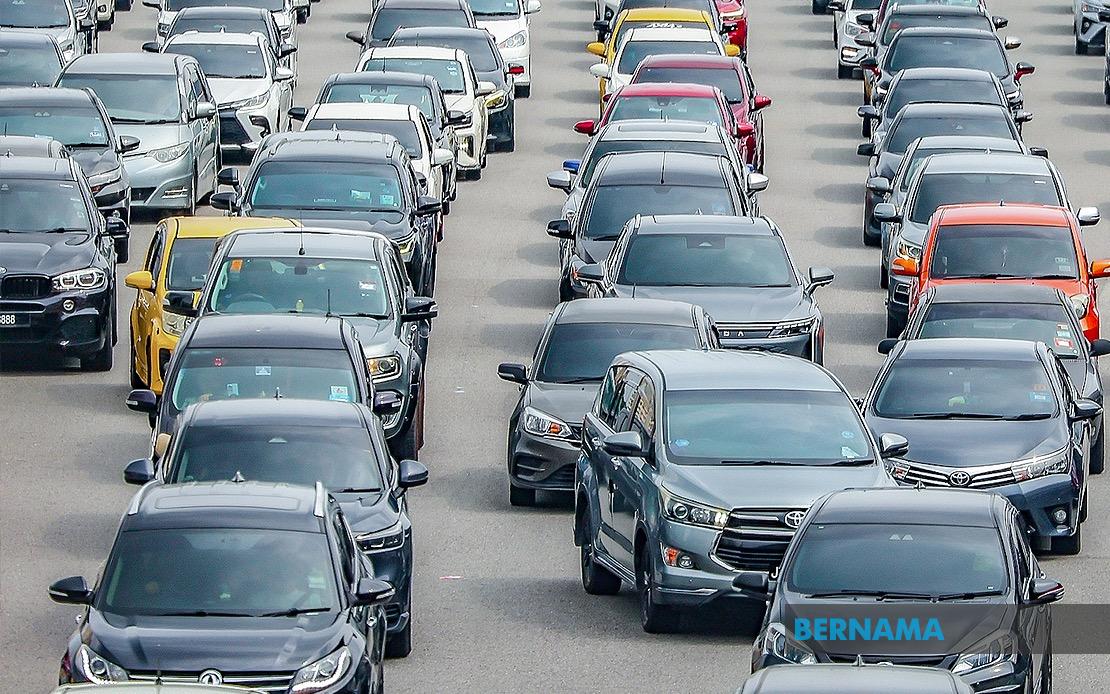
A critical distinction in this year's planning involves the explicit commitment that primary roads encircling PICCA will remain accessible throughout the programme duration. Rather than sealing off the precinct entirely, traffic police will implement a series of strategic diversions designed to channel vehicle movement smoothly through alternative routes. This decision reflects growing awareness among event planners that total closures create cascading congestion effects that extend far beyond immediate event zones, ultimately affecting hundreds of thousands of commuters and commercial activities across the broader city.
The traffic management framework will depend substantially on human resources deployed at major intersections throughout the affected area. Personnel stationed at key junction points will exercise real-time control over vehicle movements, enabling officers to respond dynamically to traffic patterns rather than following rigid predetermined sequences. This adaptive approach requires well-trained staff capable of making split-second decisions to balance event-bound traffic with through-traffic and local residents' daily requirements.
The HAWANA 2026 Summit, which will be officially inaugurated by Prime Minister Datuk Seri Anwar Ibrahim on June 20, represents a significant platform dedicated to recognising journalistic contributions within Malaysia. Organised by the Ministry of Communications in collaboration with Bernama as implementing agency, the summit operates under the thematic banner "Media Integrity Strengthens Credibility," positioning it as a reflective occasion celebrating the profession's role in maintaining societal standards. This emphasis on integrity and credibility becomes particularly relevant given contemporary debates surrounding information dissemination and media responsibility across Southeast Asia.
Beyond the primary summit activities, the accompanying RIUH Pi HAWANA Carnival is projected to draw approximately 30,000 visitors over three days, significantly multiplying the security and logistical challenges faced by authorities. This carnival component transforms the event from a closed professional gathering into a public-facing cultural and commercial celebration, introducing variables that standard security protocols must accommodate. The carnival will showcase more than 24 locally-based creative product brands alongside 20 food and beverage vendors, creating a vibrant ecosystem that appeals to diverse demographics.
The entertainment dimension of the carnival programming includes 16 stage performances featuring established Malaysian artists including Exists, Bunkfac, Masdo, Sakura Band, Budak Nakal Hujung Simpang and Chelsea Ng. By offering free admission and featuring recognised performers, organisers are incentivising broad public participation, which simultaneously increases attendance but also necessitates robust crowd management infrastructure. The decision to programme multiple performances across three days spreads visitor flow temporally, preventing the concentration of crowds that might overwhelm existing facilities.
For Malaysian readers and Southeast Asian observers, the HAWANA 2026 event carries broader significance regarding how regional governments balance celebratory public engagement with operational efficiency. The commitment to maintaining open roads suggests a maturation in event management philosophy that prioritises inclusive participation without imposing disproportionate costs on non-attendees. This approach differs markedly from earlier practices where major events often triggered citywide disruptions affecting business operations and routine services.
Penang police have specifically advised the public to cooperate with traffic personnel instructions and plan journeys in advance to minimise congestion risk. This proactive communication strategy aims to distribute traffic demand across the three-day period rather than concentrating it into peak moments. Residents and commuters with discretionary travel plans can adjust timing to avoid anticipated bottlenecks, while essential traffic can be prioritised through managed diversions. The police message implicitly acknowledges that event success depends partly on public understanding and voluntary participation in traffic management protocols.
The scale and sophistication of arrangements for HAWANA 2026 reflect Penang's positioning as a destination capable of hosting major national events while maintaining everyday functionality. The state has developed institutional capacity to execute security sweeps, deploy coordinated personnel across multiple zones, and sustain these operations across extended periods without exhausting resources. For the broader Malaysia and Southeast Asian context, such capabilities demonstrate the region's growing competency in managing complex logistical scenarios involving simultaneous pursuit of security, public access, commercial activity, and cultural programming.
The event's emphasis on media integrity assumes particular importance as Southeast Asian societies grapple with questions surrounding information authenticity, source credibility, and the media's societal role. By bringing together approximately 1,000 media practitioners for summit discussions under this thematic framework, HAWANA 2026 creates space for professional reflection on standards, practices, and collective responsibilities. The carnival component extending these conversations beyond professional circles to general audiences amplifies the message about why media integrity matters for civil society.
Authorities' confidence in executing the event without major disruptions rests ultimately on detailed contingency planning, personnel training, and real-time coordination capabilities. The stated equivalence with Malaysia Day 2025 security provisions suggests confidence born from recent practical experience rather than theoretical projections. However, the three-fold increase in general public engagement through the carnival component introduces complexity not present in previous iterations, requiring attentiveness to emerging situations and flexibility in resource reallocation.

