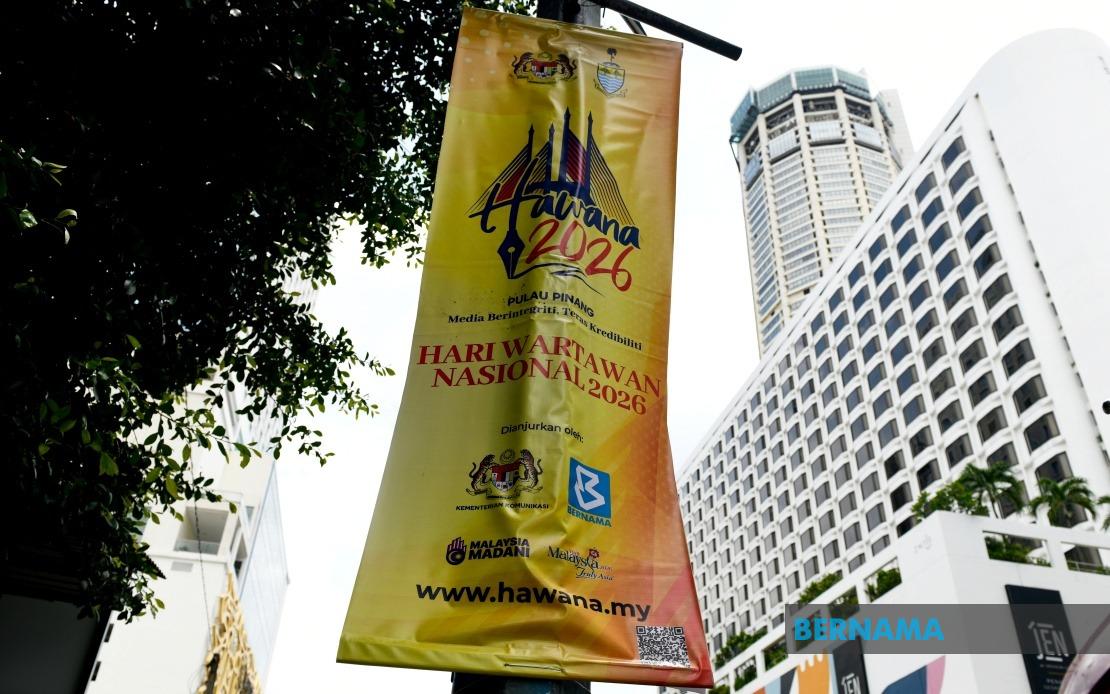
The Penang State Government has expressed strong confidence in delivering a successful National Journalists' Day (HAWANA) 2026 celebration, with Chief Minister Chow Kon Yeow pledging the state's full support for what promises to be a landmark event for Malaysia's media community. Speaking to reporters in George Town, Chow emphasised that extensive preparations have been undertaken over the past two to three months through coordinated engagement with the Communications Ministry, laying the groundwork for a seamless and impactful gathering that will recognise the vital contributions of journalism professionals across the nation.
The centrepiece of this year's HAWANA commemoration will be the HAWANA 2026 Summit, scheduled to take place at the PICCA Convention Centre @ Butterworth Arena, with Prime Minister Datuk Seri Anwar Ibrahim set to officiate proceedings on June 20. This summit is anticipated to draw approximately 1,000 media practitioners from both Malaysia and overseas, creating a significant platform for the country's journalism sector to convene, network, and engage with peers on matters of professional importance and industry development.
Central to the HAWANA 2026 vision is the theme "Media Integrity Strengthens Credibility", a framework that positions journalistic integrity as fundamental to rebuilding and maintaining public trust in news media. The Communications Ministry, working alongside the Malaysian National News Agency (Bernama), has structured the event as both a formal recognition of media contributions and a broader engagement with the public about the role of responsible journalism in society. This thematic emphasis reflects growing concerns about misinformation and the erosion of media credibility, making the message particularly resonant for Southeast Asian audiences grappling with digital-age information challenges.
Alongside the summit, a glamorous Media Dinner hosted by Penang Governor Tun Ramli Ngah Talib will provide an occasion for media leaders and government officials to strengthen relationships and acknowledge professional excellence within the journalism community. These high-level engagements underscore the symbolic importance Penang and the federal government place on media as a cornerstone institution, signalling renewed commitment to supporting press freedom and professional standards.
To broaden public engagement beyond media professionals, organisers have planned the RIUH Pi HAWANA Carnival, a three-day festival running concurrently at the same venue beginning June 19. This carnival component is expected to attract approximately 30,000 visitors, transforming the formal summit into a community-oriented celebration that makes media appreciation accessible to general audiences. The carnival represents an innovative approach to celebrating journalism, recognising that strengthening media credibility requires not just professional discourse but also deeper public understanding of what quality journalism entails.
The carnival programming reflects this commitment to inclusivity and creative expression. More than 24 local creative product brands will showcase their work alongside 20 food and beverage vendors, creating a marketplace atmosphere that appeals to families and younger demographics. This commercial activation serves dual purposes: it provides economic opportunities for local entrepreneurs while creating an environment where media appreciation feels natural and integrated into broader cultural celebration rather than institutional or top-down messaging.
Interactive workshops form another crucial carnival element, offering visitors hands-on opportunities to explore creative activities and understand media production processes. By demystifying journalism and content creation through direct participation, these sessions help foster media literacy among the public—a particularly valuable outcome in Malaysia's complex information landscape where distinguishing credible sources from unreliable ones remains a persistent challenge for many citizens.
The entertainment programme reflects strategic programming to attract diverse age groups and interests. Sixteen free stage performances featuring prominent local artists including Exists, Bunkface, Masdo, Sakura Band, Budak Nakal Hujung Simpang, and Chelsea Ng will maintain audience engagement throughout the carnival's three-day run. This musical and entertainment dimension elevates HAWANA 2026 beyond a professional conference into cultural territory, making journalism celebration part of Penang's broader social and entertainment calendar.
For Penang, hosting this national event carries significant prestige and demonstrates the state's capacity to organise major gatherings that serve national interests while showcasing local infrastructure and talent. The PICCA Convention Centre @ Butterworth Arena, as venue selection, represents strategic investment in Penang's conference tourism ecosystem and signals confidence in the state's ability to accommodate large-scale international delegations. This reflects broader positioning of Penang as Malaysia's premier destination for international events and conferences.
The success of HAWANA 2026 will be particularly significant given the broader Southeast Asian context of media challenges, where journalists frequently face pressure, legal threats, and declining institutional support. By organising a high-profile national celebration of media practitioners, Malaysia projects commitment to press professionalism and credibility at a regional moment when these values require visible institutional backing. For Malaysian media practitioners themselves, the gathering offers rare opportunity for collective reflection on professional standards, ethical challenges, and industry direction during a period of significant technological and commercial disruption.
Chow's emphasis on state government contribution to the programme's success reflects recognition that honouring media requires more than symbolic rhetoric—it demands concrete resource allocation and bureaucratic support. This positioning may also carry implications for state-media relations, potentially signalling Penang's inclination toward more collaborative engagement with journalism institutions rather than adversarial positioning that characterises some state-media dynamics elsewhere in Malaysia.
As preparations enter their final stages before the summit's opening, the combination of high-level political participation, substantial public programming, and clear thematic messaging around media integrity suggests that HAWANA 2026 aims to be a consequential moment for Malaysia's media conversation. Whether the event achieves its stated objectives of strengthening appreciation for media contributions while meaningfully advancing public understanding of journalism's role in democracy will depend partly on how discussions translate into tangible support for newsrooms and clearer policy frameworks protecting press freedom in coming months.