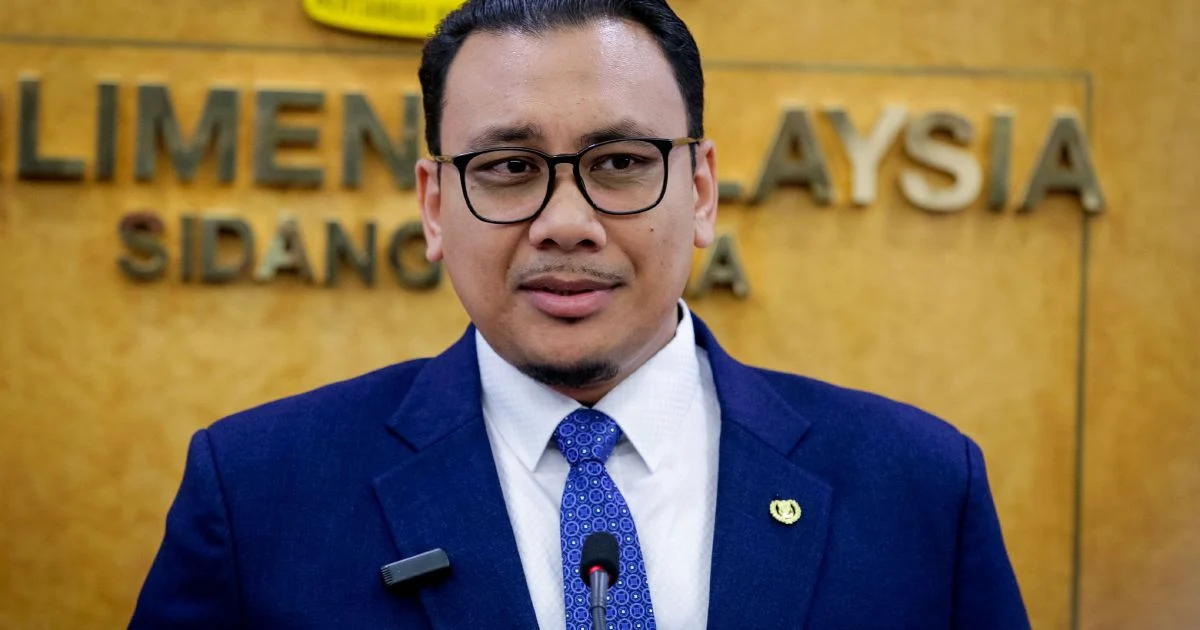
Pas Youth chief Afnan Hamimi Taib Azamudden has instructed his legal representatives to initiate proceedings in response to a Facebook post originating from a Bersatu leader that he alleges contains insults directed at his father and immediate family. The decision to pursue formal legal channels marks an escalation in tensions between the two Malay-Muslim political organisations, highlighting the increasingly acrimonious relationship between coalition partners that have shown growing strain in recent months.
The incident reflects a broader pattern of deteriorating relations within Malaysia's ruling political landscape. Pas and Bersatu, both competing for support within the Malay-Muslim demographic, have frequently clashed over policy positions and political strategy despite their nominal alliance within the Perikatan Nasional coalition framework. The resort to legal action by a senior party youth figure signals that such disputes are no longer confined to behind-the-scenes negotiations or measured public statements, but have spilled into the realm of personal grievance and reputational defence.
Facebook, as a primary platform for political communication in Malaysia, continues to serve as a flashpoint for inter-party conflicts. The social media landscape has become an increasingly significant arena where politicians test messaging, bypass traditional media gatekeeping, and engage directly with supporters. However, this immediacy and accessibility also creates opportunities for inflammatory rhetoric and personal attacks that can rapidly escalate political tensions. The alleged insult targeting both Afnan Hamimi's father and his broader family unit represents a departure from purely policy-based criticism, suggesting a willingness to engage in more personal forms of political combat.
The involvement of legal counsel is noteworthy given Malaysia's complex defamation framework. Aggrieved parties may pursue remedies through civil courts seeking damages, or through criminal provisions addressing criminal defamation and sedition depending on the specific nature of the alleged insult and its content. For a senior Pas youth figure like Afnan Hamimi, who maintains a public profile and active role in party decision-making, the reputational stakes of inaction may be considerable within his political constituency. Demonstrating a willingness to defend family honour through legal mechanisms can resonate strongly within Malaysian political culture, where personal integrity and family respect hold significant weight.
The implications of this dispute extend beyond the immediate personalities involved. Pas Youth represents the party's crucial grassroots mobilisation arm and plays an outsized role in shaping party direction and appealing to younger voters. Afnan Hamimi's position as chief positions him as an influential voice in internal party councils and external political positioning. Any escalation in personal feuds involving senior youth leaders could potentially further weaken coalition cohesion at a time when Perikatan Nasional faces mounting political pressures from competing coalition groupings and electoral challenges.
Bersatu, meanwhile, faces mounting difficulties in consolidating its political base following earlier internal upheavals and leadership transitions. The party's reliance on the coalition framework has become increasingly precarious, and public spats with coalition partners, particularly over personal matters, risk further eroding its standing among the Malay-Muslim electorate that both Pas and Bersatu are competing intensely to mobilise. The alleged Facebook post thus carries implications that extend well beyond an individual social media message into the realm of broader coalition dynamics and electoral positioning.
The timing of this legal action warrants consideration within Malaysia's broader political calendar. As the nation approaches various electoral cycles at federal and state levels, political tensions have characteristically intensified. Coalition partners often experience heightened friction during pre-electoral periods as competing ambitions and policy disagreements come to the surface. The willingness of Pas Youth leadership to formalise disputes through legal institutions rather than contain them within political circles suggests a confidence in their position and potentially a calculation that taking such a stance will resonate positively with their constituency.
Media coverage of such disputes plays a crucial role in shaping public perception and political momentum. By moving from the realm of social media back-and-forth into formal legal proceedings, Afnan Hamimi and Pas Youth have effectively elevated the profile and legitimacy of the dispute, potentially generating sympathetic coverage for the victim of alleged insults while simultaneously applying pressure on the accused party through the legal system. This strategy reflects sophisticated understanding of how political disputes are mediated through both traditional media institutions and social platforms in contemporary Malaysia.
The broader question of political civility and the boundaries of acceptable rhetoric remains unresolved in Malaysian politics. While defamation and insult laws provide legal recourse, they do not necessarily address the underlying causes of deteriorating inter-party relations or the normalisation of personal attacks as acceptable political discourse. The Pas-Bersatu dispute exemplifies tensions that are likely to persist regardless of the specific legal outcome of this particular case, reflecting deeper ideological and strategic competition for political dominance within the Malay-Muslim political space that both parties inhabit.
For Malaysian observers tracking coalition stability and the prospects for government continuity, such disputes merit close attention. Personal feuds between senior figures in coalition parties, when elevated to legal proceedings, often indicate deeper fractures that may eventually threaten broader political arrangements. While legal action against individual Facebook posts may seem incremental, the cumulative effect of such incidents across multiple party partnerships could fundamentally reshape the political landscape in coming months and years.

