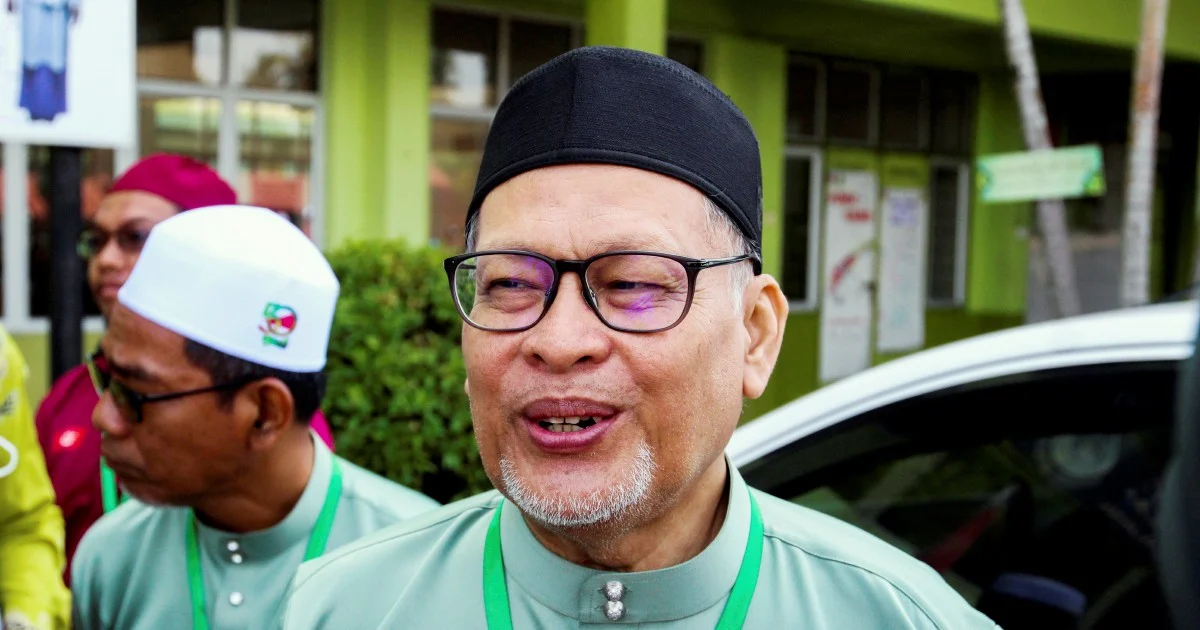
PAS has scheduled an important gathering in Kota Baru to deliberate on multiple matters, with particular emphasis on resolving the future of a Bersatu executive councillor seat within the Kelantan state government. The meeting comes in the aftermath of the two Malay-Muslim parties bringing an end to their cooperation arrangement, marking a significant shift in the political landscape of the northeastern state.
The termination of the PAS-Bersatu partnership represents a notable development in Malaysia's increasingly fragmented political ecosystem. Both parties, which had previously worked together in various political configurations, have now opted to pursue separate political trajectories. This decision carries substantial implications not only for Kelantan's state administration but also for the broader alignment of Malay-Muslim political forces across the nation.
Kelantan has long served as a stronghold for PAS, with the party commanding considerable influence over the state government and its institutional framework. The presence of a Bersatu representative within the executive council structure reflects the earlier political compact between the two organisations. Now that this arrangement has dissolved, the question of whether this seat will remain with Bersatu, revert to PAS, or be allocated differently has become a pressing matter requiring immediate administrative attention.
The strategic importance of controlling executive council positions cannot be understated in Malaysia's state-level politics. These positions directly influence policy implementation, resource allocation, and the distribution of patronage networks. For Kelantan, where PAS maintains dominant control, the outcome of this deliberation will signal the party's confidence in managing the state apparatus independently and its willingness to consolidate power following the partnership's dissolution.
The timing of this meeting suggests that both parties recognise the need for swift resolution to avoid prolonged institutional ambiguity. Uncertainty over ministerial and executive council positions can create governance complications, affect departmental functioning, and potentially generate conflicts between the state government and its individual representatives. A clear decision on this matter will provide clarity to the Kelantan administration and its bureaucratic machinery.
For Bersatu, the loss of an executive council position in Kelantan represents a contraction of its institutional foothold in a strategically important state. The party has been seeking to expand its influence in northern Malaysia, and maintaining representation in state governments across the region forms a crucial part of this strategy. The outcome in Kelantan may therefore influence Bersatu's positioning in other states where it holds political presence.
PAS's approach to this situation will likely reflect its assessment of its capacity to govern Kelantan without external partnership support. The party must balance the desire to consolidate control with the pragmatic need to manage any political repercussions from the separation. The deliberation during this meeting will probably also touch on broader questions about PAS's political direction and whether it intends to forge new alliances or operate independently moving forward.
The broader context of Malaysian politics suggests that such partnership breakdowns, while superficially destabilising, often form part of calculated political manoeuvring. The repositioning of political forces in Kelantan may eventually lead to new configurations, whether through realignments, fresh negotiations, or a period of singular party dominance. For observers of Malaysian politics, this development offers insight into how state-level administrations adapt when fundamental political compacts shift.
The regional implications merit consideration as well. Kelantan's governance outcomes influence perceptions of Malay-Muslim party management and effectiveness across Southeast Asia. Other states in the region, particularly those where similar political partnerships exist, will likely monitor how PAS and Bersatu navigate this transition. The precedent established in Kelantan could inform political calculations elsewhere.
For ordinary Kelantan residents, the primary concern centres on whether these political machinations affect service delivery and government effectiveness. The transition of power dynamics at the executive council level should ideally remain administrative rather than disruptive to the functioning of state departments and public services. The PAS leadership will need to ensure that political reconfiguration does not translate into governance complications that impact the public.
The forthcoming meeting represents a critical juncture in determining how the Kelantan administration will be structured in this new political phase. The decisions made will establish the institutional framework within which the state government will operate for the foreseeable future, making this deliberation consequential not merely for the parties involved but for the state's governance architecture more broadly.

