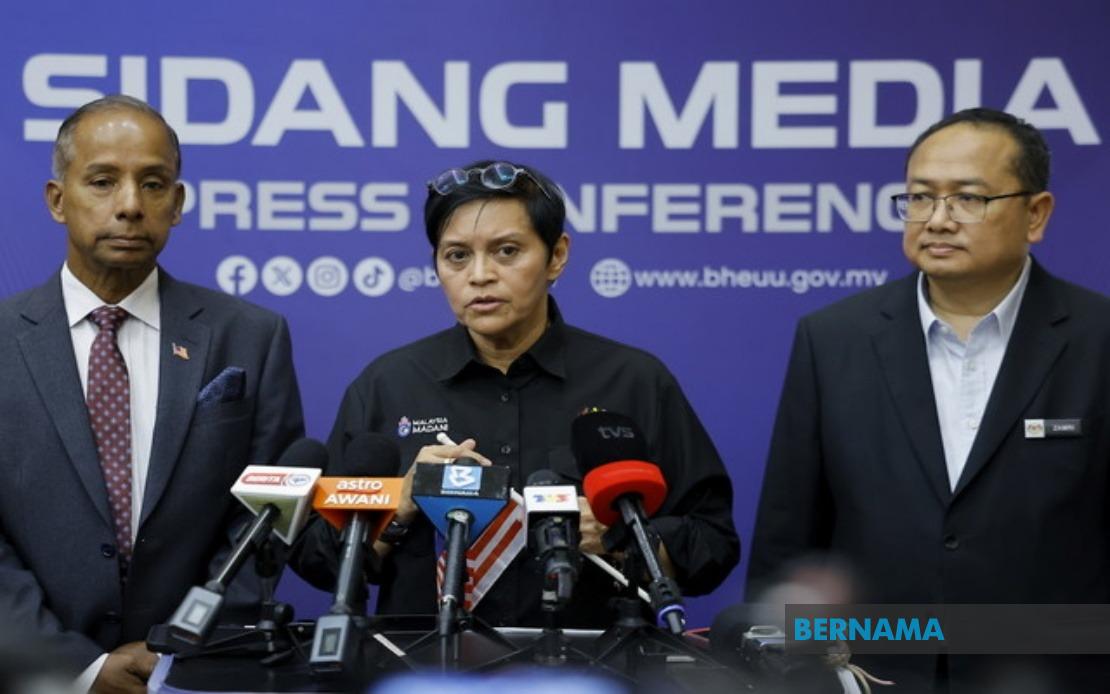
Malaysia's Freedom of Information Bill 2026 faces its first parliamentary scrutiny as a dedicated Select Committee convenes to examine the proposed legislation ahead of its formal tabling in the national parliament. Datuk Seri Azalina Othman Said, the Minister in the Prime Minister's Department (Law and Institutional Reform), will lead the committee's examination, which represents a significant stage in the legislative process designed to strengthen public access to government information.
The inaugural meeting of the Select Committee marks a pivotal moment for a bill that seeks to establish clear procedural frameworks governing how Malaysian citizens can request access to information held by public authorities. Azalina confirmed that the committee will operate on a bipartisan basis, drawing participation from Members of Parliament across different political alignments to ensure the review process reflects diverse parliamentary perspectives. This collaborative approach underscores the government's intention to build broad consensus around transparency mechanisms, recognising that freedom of information legislation requires substantial political buy-in to function effectively.
The committee's initial agenda focuses on finalising the terms of reference that will guide its subsequent deliberations and investigations. These foundational parameters will determine the scope and depth of the committee's inquiry, establishing which aspects of the bill warrant closest examination and which stakeholder viewpoints receive priority consideration. By crystallising these terms early, the committee creates a structured pathway for its work and signals to interested parties what the legislative review process will encompass.
A critical element of the committee's review involves evaluating comprehensive feedback from Malaysia's civil society sector and professional organisations. Numerous non-governmental organisations and industry bodies have already submitted observations on the proposed legislation, with many advocating for substantially broader provisions than currently drafted. These stakeholders contend that the bill's scope should extend further to enhance public access rights and reduce exemptions that might shield government activities from scrutiny. The select committee's commitment to seriously considering these submissions represents an opportunity for civil society voices to meaningfully influence the final legislative form.
The breadth of the bill has emerged as a central point of contention among interested parties and observers of Malaysia's transparency landscape. Many NGOs and professional associations have expressed concerns that the current draft may not adequately advance public access to information or that it preserves too many carve-outs that could undermine its practical effectiveness. These organisations argue that a more expansive approach would better serve the public interest and align Malaysia's legislation with international transparency standards. The select committee's willingness to evaluate these contentions suggests that the bill's eventual scope remains subject to meaningful revision.
The legislative framework being reviewed seeks to establish Malaysia's first comprehensive procedural mechanism for managing information requests from public authorities. Any Malaysian citizen aged 18 years or older would enjoy the right to submit written applications for access to official records under this regime. This provision represents a significant democratisation of information access, removing barriers based on citizenship status beyond age eligibility and formalising a structured process for responding to disclosure requests. The mechanism represents a departure from Malaysia's historical governance approach, which has often restricted information availability to official channels.
However, the bill's current architecture preserves protections for certain categories of sensitive government information. The draft legislation maintains the applicability of existing secrecy statutes, particularly the Official Secrets Act 1972, alongside other legislative provisions that prohibit or restrict specific information disclosures. These exemptions exist to protect genuinely sensitive matters including national security, defence operations, and personal privacy information. The tension between transparency ambitions and legitimate confidentiality needs lies at the heart of freedom of information legislation globally, and Malaysia's version must navigate this balance carefully.
The decision to refer the bill to a parliamentary select committee, announced publicly by Azalina on July 13, reflects the government's determination to conduct thorough legislative scrutiny rather than rushing the bill through parliament via expedited procedures. This approach permits sustained engagement with Members of Parliament from across the political spectrum and creates genuine opportunity for meaningful stakeholder input. The committee is expected to complete its work and present findings and recommendations before parliament's next sitting, maintaining momentum for the legislative agenda while allowing adequate time for careful deliberation.
The select committee's proceedings assume particular importance for Malaysia's broader trajectory toward greater governmental transparency and accountability. The freedom of information legislation represents one of several recent institutional reforms aimed at modernising Malaysia's administrative systems and strengthening democratic governance mechanisms. The bill's ultimate design, refined through the select committee process, will signal the government's commitment level to genuine transparency and shape how Malaysian citizens and organisations can access official information for decades ahead.
For Southeast Asia's broader governance landscape, Malaysia's approach to freedom of information legislation carries regional significance. Several neighbouring countries lack comprehensive statutory frameworks for information access, and Malaysia's legislative choices may influence subsequent reforms across the region. The manner in which Malaysia balances transparency promotion with legitimate confidentiality needs could establish precedents that inform how other Southeast Asian nations address similar questions when developing their own information access regimes.

