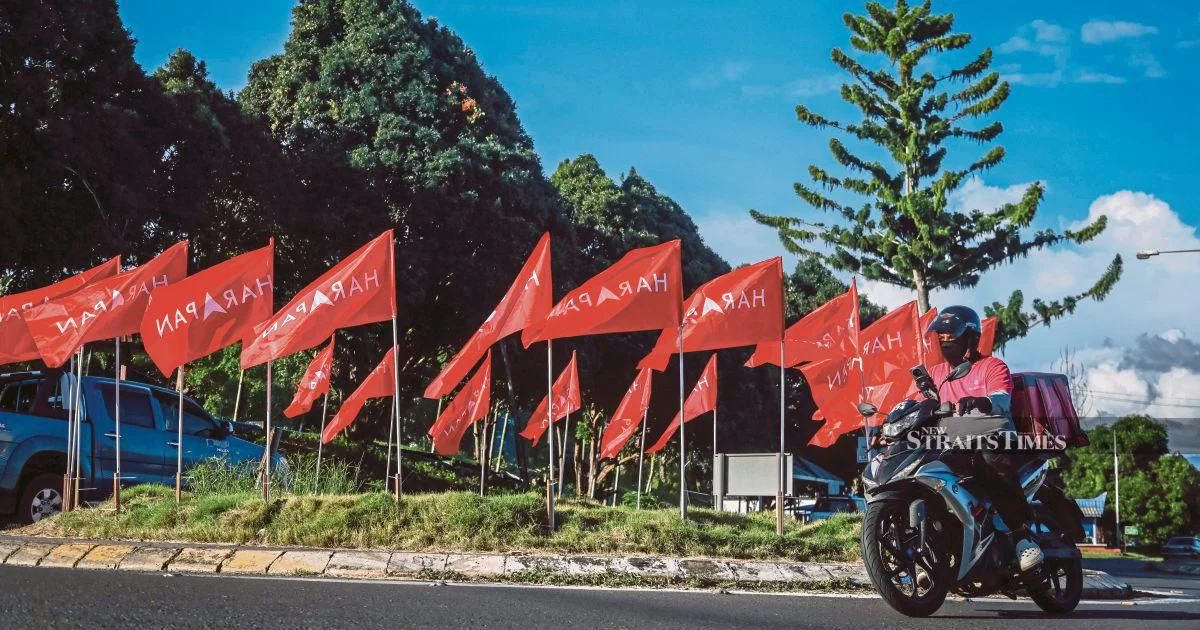
Pakatan Harapan will determine its own timeline for naming a menteri besar candidate for the 16th Johor election, dismissing suggestions that the coalition should expedite its decision to appease political opponents.
The statement reflects a strategic approach adopted by the opposition alliance as it navigates the run-up to a significant state-level contest in Johor, historically a stronghold of Umno and its Barisan Nasional coalition. By declining to capitulate to what it characterises as external pressure, PH aims to maintain control of its political narrative and demonstrate unity internally while avoiding divisions that could emerge from premature candidacy announcements.
Johor holds particular importance in Malaysia's political landscape due to its size, economic weight, and the symbolic significance of any shift in state governance. The southernmost state has been administered by various coalitions throughout Malaysia's democratic history, though Umno-led administrations have dominated for extended periods. The prospect of a change in Johor's political direction remains a significant flashpoint in national politics, with implications that extend beyond state borders to influence federal parliamentary dynamics.
The refusal to be hurried into announcing a candidate also speaks to the delicate balance PH must maintain within its own coalition structure. The alliance comprises multiple parties with differing interests and regional power bases, and precipitous decisions regarding high-profile positions such as the menteri besar role can trigger internal tensions. By resisting external pressure, PH effectively signals that any announcement will be made through proper internal consultation and consensus-building, rather than reactive decision-making driven by rival political movements.
This strategic patience contrasts with alternative approaches where political coalitions scramble to present candidates immediately upon election calls or announcements. Delayed candidate naming, while potentially frustrating to observers expecting clarity, affords PH additional time to evaluate potential candidates, assess their viability among voters, and ensure that the chosen individual possesses the necessary credentials, credibility, and grassroots support. For a state as substantial as Johor, such methodical preparation could prove advantageous when campaigning commences in earnest.
The timing of such announcements carries broader significance within Malaysia's competitive political environment. In recent years, political coalitions have experimented with various strategies regarding candidate revelation, recognising that premature disclosure can expose candidates to extended personal scrutiny and allow opponents time to mount comprehensive opposition research campaigns. Conversely, late announcements create momentum and media attention concentrated in the final campaign phase, potentially maximising impact during the period when voter attention is most focused.
For Malaysian voters and observers, the lack of an immediate candidate announcement may generate speculation and discussion across media and social platforms. In contemporary Malaysian politics, such speculation itself becomes a form of political currency, with various figures discussed as potential menteri besar candidates. This informal vetting process, while sometimes frustrating, allows different constituencies within PH's broader coalition to test the acceptability of potential candidates among their respective support bases before formal announcements.
The coalition's position also reflects confidence that it need not bow to the political calendar imposed by rivals. By maintaining strategic ambiguity regarding its top candidate, PH effectively forces opponents to focus on countering multiple potential scenarios rather than training firepower on a single announced opponent. This approach has been employed successfully in various electoral contexts across Southeast Asia, where political coalitions have used uncertainty as a tactical tool to complicate opposition strategy.
Johor's status as a swing state, or at least one where political outcomes remain contested despite historical voting patterns, adds weight to PH's deliberate approach. The coalition appears to recognise that the menteri besar choice will substantially influence its fortunes throughout the campaign period and beyond. Selecting the wrong candidate could undermine otherwise strong campaign messaging and policy platforms, whereas choosing effectively could consolidate support among crucial demographic groups within the state.
Looking forward, the actual timing of any PH candidate announcement will likely be calibrated precisely to maximise campaign momentum while allowing sufficient preparation time for the selected individual to build visibility and rapport with voters. This represents a more sophisticated understanding of contemporary electoral dynamics than simply rushing to declare candidacy at the earliest possible opportunity.

