Pakatan Harapan has formally committed to preserving the constitutional prerogatives of the Johor monarchy, pledging to honour the State Constitution 1895 and the Sultan's powers regarding the appointment of the Menteri Besar should the coalition secure the mandate to govern following the upcoming Johor state election. The declaration represents the coalition's response to mounting pressure from the incumbent administration to disclose its leadership preferences before voters head to the polls.
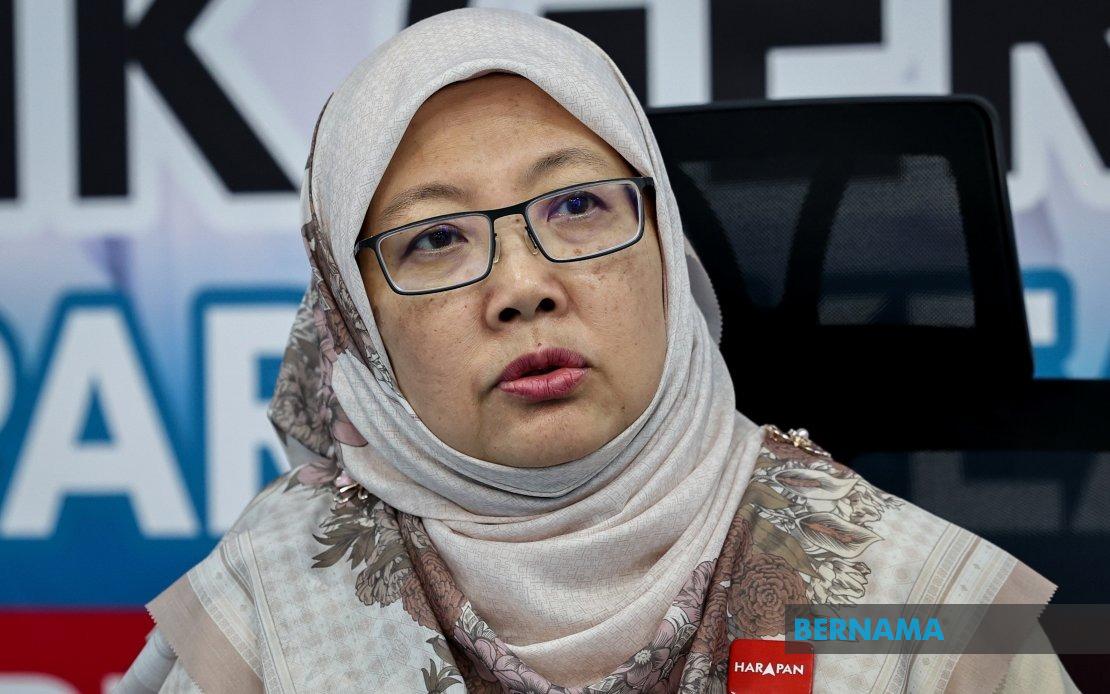
Johor PKR chairman Datuk Seri Dr Zaliha Mustafa articulated the coalition's position during a statement released from the state capital, emphasizing that PH intended to sidestep making the Menteri Besar designation a central campaign theme. Instead, she underscored that the coalition's campaign machinery would concentrate on articulating concrete policy initiatives and proposals designed to deliver tangible improvements to ordinary Johoreans' quality of life and economic prospects.
The timing of PH's statement comes in direct response to comments made by incumbent Johor Menteri Besar Datuk Onn Hafiz Ghazi, who had publicly called upon the opposition coalition to identify its preferred candidate for the top state post ahead of the electoral contest. By deflecting this demand, PH has chosen to maintain strategic flexibility while remaining formally committed to constitutional processes—a calculated political maneuver that avoids internal speculation about leadership succession while respecting institutional protocols.
Dr Zaliha's remarks underscore a fundamental strategic calculation within the PH camp. By declining to nominate a specific individual, the coalition sidesteps potential internal divisions that often plague opposition coalitions during candidate selection processes. For Malaysian observers familiar with coalition dynamics, this approach reflects lessons learned from previous electoral cycles when premature leadership announcements occasionally generated friction between partner parties competing for prominence.
The PKR leader further stressed that PH possessed numerous seasoned and qualified figures within its ranks who possessed the administrative experience and capability necessary to effectively manage Johor's governance. This assertion serves both to project organizational strength and to suggest that the question of leadership represents a secondary concern compared to broader policy frameworks and governance philosophy. The emphasis on collective capability rather than individual personalities reflects modern opposition strategy in Malaysia's competitive political environment.
Critically, PH's position reinforces respect for constitutional monarchy and the formal legal structures that govern Malaysian state administration. By explicitly acknowledging the Sultan's constitutional role, the coalition neutralizes potential criticism that it harbors republican sympathies or seeks to diminish the institution's authority. This proves particularly significant in Johor, where the sultanate commands deep historical reverence and constitutional significance.
The substance of Dr Zaliha's statement pivots discourse toward governance and delivery. She highlighted PH's intention to maintain sustained engagement with voters, emphasizing the coalition's commitment to understanding community concerns and formulating responsive policy solutions. This framing positions the election as fundamentally a referendum on competing visions for economic development, employment generation, and enhanced living standards rather than a personality-driven contest.
For southeastern Malaysian readers, this development carries implications extending beyond Johor's borders. The state represents a significant economic hub and industrial center, with governance trajectories that influence broader regional economic competitiveness. PH's emphasis on forward-looking policy promises rather than leadership spectacle suggests an attempt to reframe opposition campaigns around substantive governance questions—a potential model for coalition strategies in other contested states.
The exchange between PH and the incumbent administration also illuminates contemporary Malaysian political dynamics, where constitutional arrangements and modern campaign expectations sometimes generate tensions. Johor's historical position as one of Malaysia's most significant kingdoms means that questions of executive authority intersect with questions of state dignity and institutional respect in ways that demand careful political navigation.
PH's measured response demonstrates political maturity in respecting constitutional boundaries while simultaneously advancing electoral ambitions. Rather than dismissing the Sultan's role as ceremonial or challenging institutional prerogatives, the coalition embraces these arrangements while seeking to redirect public attention toward policy substance. This posture potentially appeals to voters prioritizing governance competence over factional leadership contests.
The backdrop of this interchange involves Johor's economic significance and the stakes involved in state-level governance. Johor's port infrastructure, manufacturing sectors, and position within Malaysian-Singaporean economic integration mean that state-level policy decisions carry ramifications for broader regional development. PH's policy-focused messaging implicitly acknowledges these elevated stakes and the imperative of presenting governance frameworks rather than merely personnel preferences.
Looking forward, this positioning may reflect PH's broader confidence in its electoral prospects, suggesting internal calculations that the coalition can secure sufficient votes to warrant Sultan's consideration when the time arrives for executive appointment. By declining to prematurely name a candidate, PH preserves negotiating flexibility while demonstrating institutional respect—a dual approach designed to appeal simultaneously to constitutionally-minded voters and to modernist constituencies seeking policy-oriented governance.

