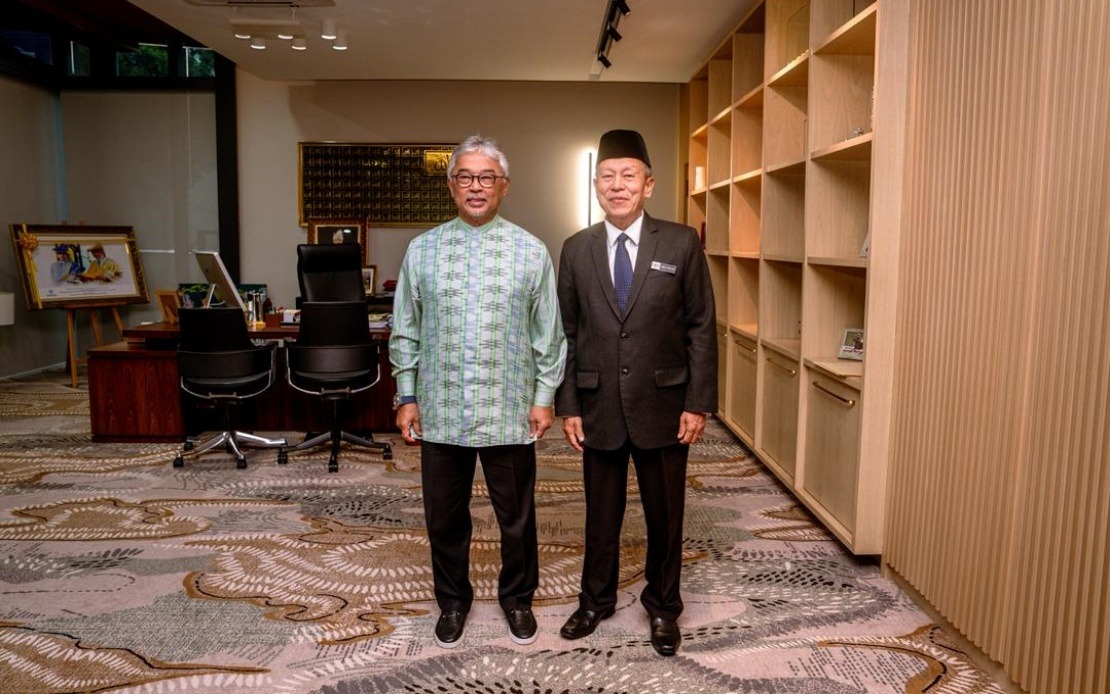
The Sultan of Pahang, Al-Sultan Abdullah Ri'ayatuddin Al-Mustafa Billah Shah, received Malaysian Anti-Corruption Commission (MACC) chief commissioner Datuk Seri Abd Halim Aman during an hour-long audience at Shahzan House in Ampang yesterday. The engagement underscores the monarchy's continued involvement in overseeing institutional frameworks dedicated to combating graft and maintaining standards of ethical governance across Malaysia's public sector.
During the meeting, the MACC leadership provided His Royal Highness with a comprehensive update on the commission's operational progress and strategic direction. The briefing encompassed the agency's recent initiatives aimed at detecting, investigating, and prosecuting corruption cases, alongside measures designed to prevent misconduct before it occurs. This direct communication between the palace and an independent enforcement body reflects the institutional checks that characterise Malaysia's constitutional governance structure, wherein the rulers maintain a symbolic and substantive interest in the integrity of the state apparatus.
The discussion extended beyond performance metrics to encompass broader policy questions surrounding governance standards and corruption prevention mechanisms. Officials highlighted various institutional reforms and procedural enhancements that the MACC has implemented to strengthen its investigative capacity and legal framework. These developments assume particular significance in Southeast Asia, where public sector transparency and anti-corruption enforcement remain persistent governance challenges. Malaysia's experience in institutionalising anti-corruption machinery offers a case study relevant to the region's ongoing efforts to combat endemic graft and improve citizen confidence in public institutions.
A central theme of the audience involved the MACC's role in fostering public trust in enforcement agencies. The commission presented strategies intended to enhance transparency in its operations and demonstrate impartiality in pursuing cases irrespective of political affiliation or social status. Restoring and maintaining public confidence in such institutions proves essential for the legitimacy of Malaysia's legal and administrative systems. When citizens perceive enforcement bodies as fair and effective, compliance with anti-corruption laws increases, and deterrence mechanisms function more effectively across government and private sectors alike.
The Sultan's engagement with the MACC chief commissioner also signalled royal endorsement of the institution's mission at a time when anti-corruption efforts face scrutiny from multiple quarters. Institutional support from the monarchy carries symbolic weight within Malaysia's constitutional framework and can reinforce the commission's authority to pursue investigations without fear of political interference. This ceremonial dimension of governance complements the substantive work of enforcement by anchoring anti-corruption efforts within the country's broader constitutional and institutional architecture.
Datuk Seri Abd Halim's gratitude toward the Sultan reflected the MACC's recognition of the monarchy's historic role in upholding standards of governance and integrity across the realm. The chief commissioner emphasised appreciation for royal concern regarding the commission's mandate to pursue cases impartially and to support Malaysia's transition toward more transparent, accountable institutional practices. This expression of deference acknowledges both the formal constitutional position of the monarch and the practical importance of maintaining cooperative relationships between enforcement bodies and centres of institutional authority.
The specific mention of governance, corruption prevention, and public confidence initiatives indicates that the audience addressed multifaceted challenges within Malaysia's anti-corruption architecture. Beyond investigating individual cases, the MACC has invested in institutional development, training programmes, and inter-agency coordination to strengthen the overall ecosystem of integrity. Such systemic approaches prove more durable than individual prosecutions, as they aim to prevent corruption from taking root by strengthening institutional culture and operational safeguards against misconduct.
For Malaysian stakeholders and observers across Southeast Asia, this audience demonstrates the continued commitment of the nation's constitutional institutions to prioritising anti-corruption enforcement. The involvement of the monarchy in receiving briefings from enforcement bodies reinforces the principle that combating graft transcends partisan politics and represents a shared institutional commitment. In a region where governance challenges often reflect the political instrumentalisation of enforcement bodies, Malaysia's model of royal engagement with independent commissions offers an alternative framework for institutionalising oversight.
The timing and formality of the audience also reflect the calendar of institutional engagement that characterises the Malaysian political system. Periodic briefings between enforcement agencies and the monarchy represent opportunities to align governance priorities, address emerging challenges, and reaffirm commitment to constitutional values. Such interactions, whilst largely ceremonial, carry substantive implications for the authority and legitimacy of anti-corruption institutions operating within a constitutional monarchy framework.
Moving forward, the audience signals that anti-corruption will remain a focal point of institutional attention across Malaysia's governance structures. The MACC's continued evolution as an enforcement body depends partly on maintaining support and credibility across multiple constituencies, including the monarchy, parliament, the judiciary, and the public. By engaging directly with the Sultan and securing his affirmation of the commission's mission, the MACC reinforces its role as a cornerstone institution within Malaysia's broader effort to strengthen integrity and accountability throughout government.

