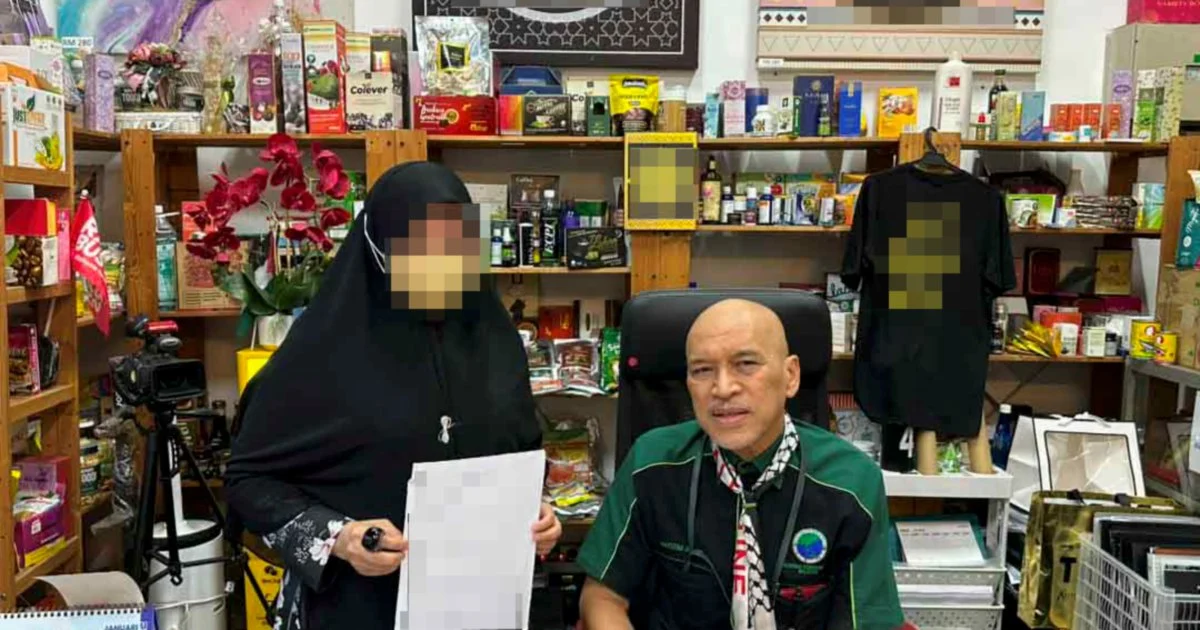
An organised criminal network exploiting the intersection of informal lending, legal services and government bureaucracy has systematically stripped more than 100 people of properties collectively worth over RM50 million in a five-year scheme, according to findings released by a Malaysian consumer protection organisation based in Kuala Lumpur.
The discovery reveals a troubling pattern of coordination between parties who should ordinarily occupy opposing positions in the legal and financial system. Loan sharks, property lawyers and civil servants appear to have operated in concert, each contributing specialised access and expertise to execute fraudulent transactions that have decimated personal assets across the country. The timeframe cited—the past five years—suggests this scheme has been operating systematically and with relative impunity, accumulating victims at a pace that indicates significant operational sophistication.
The involvement of legal professionals amplifies the vulnerability of the victims, as unscrupulous lawyers can weaponise their credentials and access to the conveyancing process to obscure fraudulent transfers. Property law in Malaysia involves multiple stages of documentation and registration through the National Land Council, creating numerous junctures where irregularities could be concealed by someone with technical knowledge of the system. When civil servants are implicated, it suggests barriers within government institutions designed to prevent such abuse may have been circumvented or compromised.
The integration of ah longs—the colloquial term for illegal moneylenders operating outside regulatory frameworks—into this ecosystem indicates the scheme likely begins with financial desperation. Victims apparently become ensnared through high-interest informal loans, creating debt spirals that render them vulnerable to pressure from the syndicate members. Once borrowers fall behind on repayments, the legal and bureaucratic apparatus is allegedly deployed to force property surrender through fraudulent claims or documentation.
This multi-layered approach represents an evolution beyond simple property theft or traditional ah long victimisation. By incorporating legal and governmental components, the syndicate creates an appearance of legitimacy that confounds victims attempting to seek recourse. Many targets may initially believe they are engaged in lawful debt restructuring or settlement arrangements when they are actually having their property claims systematically erased through manipulation of official records.
The RM50 million figure understates the human impact, as property ownership in Malaysia frequently represents accumulated family wealth across generations, particularly among working-class and middle-income households. Loss of a family home or inherited land carries psychological and financial consequences extending far beyond the nominal value, disrupting housing security, retirement planning and intergenerational wealth transfer. For many victims, recovery through legal channels remains prohibitively expensive and time-consuming even when fraud is ultimately proven.
The existence of such an extensive network raises serious questions about oversight mechanisms in multiple institutions. Property lawyers operate under the purview of the Bar Council, civil servants answer to their respective agencies and ministries, and the Royal Malaysian Police maintain dedicated commercial crime units. The apparent ability of this syndicate to persist across five years and accumulate over 100 victims suggests gaps in inter-agency coordination or insufficient investigative resources dedicated to property fraud.
For Malaysian consumers, this case illuminates the risk vectors inherent in the property system. Individuals should exercise extreme caution when dealing with informal lenders, insist on independent legal representation when formal property transactions occur, and maintain meticulous personal records of all documentation. The convergence of ah long involvement with professional credentials should trigger immediate alarm rather than false reassurance.
The revelation also carries implications for regional property markets, as similar vulnerabilities likely exist in neighbouring jurisdictions where informal lending networks operate alongside formal legal systems. Property investors and homebuyers across Southeast Asia should evaluate whether comparable syndicate structures have emerged in their home countries, as the Malaysian model—combining predatory lending, corrupted professional gatekeepers and bureaucratic manipulation—provides a replicable template for organised crime.
Moving forward, Malaysian authorities must investigate not only the individual perpetrators but also examine systemic weaknesses that permitted coordination between ah longs, lawyers and civil servants. Enhanced inter-agency information sharing, stricter oversight of conveyancing documentation, and more rigorous vetting of land registry transactions could disrupt similar operations. The scale of this discovered scheme suggests that multiple victims remain unaware they have been defrauded, as property title disputes sometimes emerge only when beneficiaries attempt to sell or refinance properties years after criminal transfers occurred.
%22%2F%3E%3C%2Fpattern%3E%3C%2Fdefs%3E%3Crect%20width%3D%22100%25%22%20height%3D%22100%25%22%20fill%3D%22url(%23ph3ur6gg)%22%2F%3E%3Crect%20width%3D%22100%25%22%20height%3D%22100%25%22%20fill%3D%22url(%23ph3ur6gp)%22%2F%3E%3Ctext%20x%3D%2250%25%22%20y%3D%2250%25%22%20text-anchor%3D%22middle%22%20dominant-baseline%3D%22central%22%20fill%3D%22rgba(255%2C255%2C255%2C0.95)%22%20font-family%3D%22Georgia%2C%20'Times%20New%20Roman'%2C%20serif%22%20font-weight%3D%22700%22%20font-size%3D%22170%22%20letter-spacing%3D%22-0.02em%22%3EMalaysia%3C%2Ftext%3E%3C%2Fsvg%3E)

%22%2F%3E%3C%2Fpattern%3E%3C%2Fdefs%3E%3Crect%20width%3D%22100%25%22%20height%3D%22100%25%22%20fill%3D%22url(%23ph3wdzeg)%22%2F%3E%3Crect%20width%3D%22100%25%22%20height%3D%22100%25%22%20fill%3D%22url(%23ph3wdzep)%22%2F%3E%3Ctext%20x%3D%2250%25%22%20y%3D%2250%25%22%20text-anchor%3D%22middle%22%20dominant-baseline%3D%22central%22%20fill%3D%22rgba(255%2C255%2C255%2C0.95)%22%20font-family%3D%22Georgia%2C%20'Times%20New%20Roman'%2C%20serif%22%20font-weight%3D%22700%22%20font-size%3D%22136%22%20letter-spacing%3D%22-0.02em%22%3EParliament%3C%2Ftext%3E%3C%2Fsvg%3E)