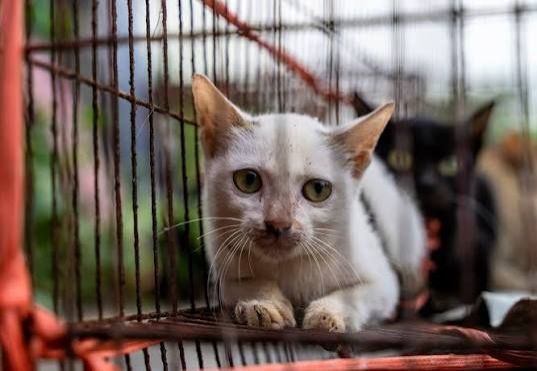
Vietnamese law enforcement has dismantled a sophisticated criminal network specialising in cat theft after a major operation last week that has seen more than 40 stolen pets returned to their distraught owners. The Ho Chi Minh City police, working with animal welfare organisations, arrested nine individuals connected to what authorities describe as a highly organised "criminal group specialising in stealing and collecting cats" for the illicit meat trade that operates across southern Vietnam.
The scale of the operation revealed the grim reality of pet theft in major Vietnamese cities. During raids on multiple facilities, police recovered more than 400 live cats and discovered 80 additional animals that had already been slaughtered and preserved on ice, ready for market distribution. A separate facility yielded a further 21 cats, indicating the distributed nature of the criminal enterprise. The sheer volume of animals involved underscores how institutionalised this form of theft has become, operating with apparent impunity until police action brought it to a halt.
According to the official Ho Chi Minh City police newspaper, the suspects confessed to a three-year campaign of systematic cat abduction throughout southern Vietnam. Their modus operandi involved deliberately luring cats into traps using bait and other methods, with the animals then transported to holding facilities before being sold to restaurants and markets. This extended timeframe suggests the network had developed sophisticated supply chains and maintained relationships with end-buyers in the food industry, making their arrest a significant disruption to an entrenched criminal operation.
The investigation gained momentum as authorities responded to escalating complaints about pet thefts in Ho Chi Minh City, where residents had grown increasingly frustrated by disappearing animals. What began as a response to community concerns evolved into an extensive police operation that revealed the full extent of organised trafficking. The breakthrough demonstrates how persistent public reporting of crime can trigger law enforcement responses that uncover larger criminal enterprises operating beneath the surface of urban life.
While Vietnamese law permits the consumption of dog and cat meat, and many restaurants openly market such products, the trade does operate within a regulatory framework. Vendors are legally required to obtain and present certificates documenting the origin and provenance of animals they intend to slaughter, a requirement ostensibly designed to prevent the use of stolen household pets. The arrests suggest that this requirement has been systematically circumvented by the criminal network, which likely forged documentation or operated entirely outside official channels to avoid detection.
The reunion of more than 40 cats with their owners represents both a triumph and a bittersweet outcome for families devastated by theft. Animal welfare group Humane World for Animals has highlighted this success while simultaneously revealing a tragic toll: approximately 100 of the rescued cats subsequently died as a direct result of the trauma, mistreatment, and poor conditions they endured during captivity. These deaths underscore the severe physical and psychological stress inflicted on animals subjected to theft and trafficking, illustrating that survival does not guarantee recovery for all victims.
The ongoing challenge now centres on the welfare of the remaining rescued cats held at police facilities as evidence for the prosecution. Humane World for Animals has expressed concern about the conditions these animals face while awaiting trial outcomes that could determine their eventual fate. The organisation has taken practical steps to improve their circumstances by donating food supplies and arranging for cooling equipment to be delivered to holding areas, recognising that the hot Vietnamese climate poses a significant threat to animals confined indoors for extended periods.
Karanvir Kukreja, representing Humane World for Animals, has publicly stated that the organisation's primary concern remains the welfare of cats held in custody pending legal proceedings. His comments reflect the broader challenge that rescue operations must contend with: securing animals' immediate safety is only the beginning, as longer-term care and rehabilitation demands resources and coordination. The situation highlights gaps in how law enforcement systems manage animal evidence, an area where animal welfare standards have historically received insufficient attention compared to human welfare considerations.
For Southeast Asian readers, this case carries particular resonance given widespread pet theft problems across the region and the variable legal frameworks governing animal protection. The Vietnamese operation demonstrates how organised crime exploits gaps between consumer demand in food markets and weak enforcement of animal origin regulations. Similar patterns have emerged in Thailand, Cambodia, and other countries where the intersection of traditional dietary practices and modern pet ownership creates opportunities for criminal exploitation. The coordination between police and animal welfare organisations in this instance provides a model that other regional jurisdictions might consider adopting.
The arrest of nine individuals represents a significant enforcement success, yet animal advocates recognise this single operation addresses only part of a much larger problem. Pet theft continues across Vietnam's major cities, and the broader cat-meat trade persists despite this disruption. The fundamental challenge remains the cultural and market demand for such meat, which sustains profitability for traffickers even as law enforcement pressures mount. Sustainable solutions will require addressing both enforcement and demand-side factors, including public education about animal welfare and the practical risks of purchasing meat with uncertain origins.
Looking forward, the case raises questions about how Vietnam's legal and regulatory systems can better protect household pets while respecting cultural dietary traditions. Strengthening enforcement of origin certification requirements, improving animal identification systems such as microchipping, and increasing penalties for trafficking represent potential policy responses. The cooperation demonstrated by police and animal welfare groups in this operation suggests growing recognition that animal protection merits serious investigative resources, a positive development for animal advocates throughout the region seeking to elevate welfare standards and reduce organised theft networks.

