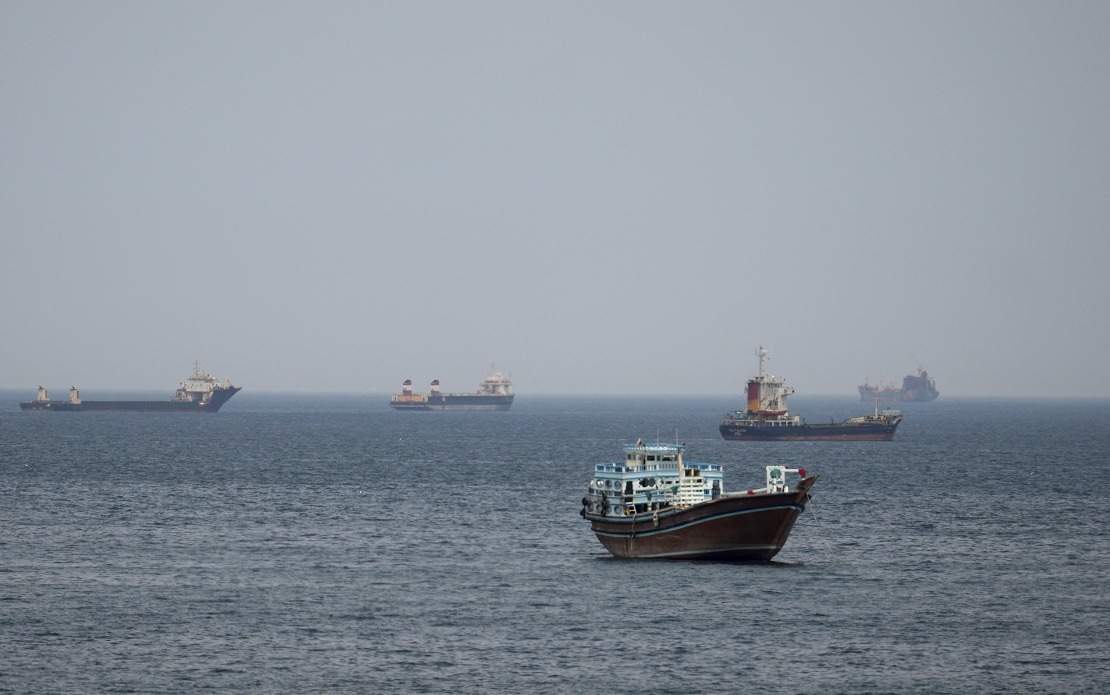
A tenuous ceasefire between the United States and Iran commenced on Thursday, June 19, allowing commercial traffic to resume through the Strait of Hormuz after nearly four months of disruption. Oil tankers have begun transiting the waterway, which accounts for approximately one-fifth of the world's petroleum supply, signalling a potential return to normal operations in coming weeks. The breakthrough represents a dramatic reversal from the brink of broader regional conflict that gripped the Middle East since February 28, though fundamental disagreements between Washington and Tehran threaten to unravel the agreement during an upcoming 60-day negotiation window.
Commodity markets responded immediately to the diplomatic development. Crude oil prices fell to their lowest point since the war's outbreak, reflecting investor relief that a critical global chokepoint would no longer face disruption. For Malaysia and other regional economies dependent on stable energy supplies, the resumption of Hormuz traffic carries significant implications, easing concerns about fuel costs and inflation that had intensified during the blockade. Yet analysts caution that price stability remains contingent on the agreement's survival through the intensive negotiations ahead, particularly regarding Iran's nuclear programme—the stated justification for Trump's military campaign.
The accord provides a structured pathway for addressing the original conflict catalyst. American and Iranian delegators will have 60 days to forge a comprehensive agreement on Iran's nuclear activities, the central issue Trump cited when launching military operations. To facilitate discussions, the deal establishes a $300 billion reconstruction fund and extends additional financial incentives to Tehran. Vice President JD Vance will direct the American delegation and has already signalled that constraining Iran's long-range missile capabilities will constitute a major negotiating objective, suggesting contentious debates lie ahead over issues Trump previously deemed non-negotiable.
The Iranian leadership has adopted a defiant posture regarding the coming talks. Supreme Leader Ayatollah Moitaba Khamenei characterised Trump's agreement to negotiations as capitulation driven by political necessity, declaring that American maximalist demands would encounter outright rejection. His written statement—"If the American side wants to be too demanding, we will not accept it"—reveals Tehran's confidence stemming from having survived the US military campaign whilst maintaining strategic leverage. Analysts interpret Iran's position as substantially strengthened, having demonstrated resilience under superpower pressure and having secured concessions without surrendering core objectives.
Within the Republican-controlled Congress, sceptical voices have emerged questioning whether Trump surrendered too much to achieve a politically expedient resolution. These critics highlight the asymmetry between Trump's initial maximalist demands and the actual agreement achieved. When launching the conflict, Trump articulated four objectives: eliminating Iran's alleged nuclear weapons programme, severing its regional strike capabilities, curtailing support for militant proxies, and creating conditions for regime change. The interim agreement addresses none of these comprehensively, instead establishing negotiations and financial incentives—a negotiating position Trump opponents characterise as conciliatory.
Iran's conduct immediately following the ceasefire declaration underscores its expanded regional authority. Iranian officials announced their intention to maintain control over Strait of Hormuz operations, issuing transit permits and directing traffic flows during the 60-day negotiation period. Though Tehran pledged not to levy charges during this interim phase, the assertion of administrative authority signals Iran's confidence in its strategic position. For Malaysian shipping companies and regional trading partners, this arrangement necessitates compliance with Iranian directives, introducing a layer of geopolitical friction into commercial maritime operations that was absent before February 28.
The ceasefire's stability remains precarious due to continuing Israeli military operations against Hezbollah in Lebanon. Despite the agreement's explicit call for permanent termination of the Lebanon conflict and restoration of Lebanese territorial integrity and sovereignty, Israeli forces launched fresh airstrikes on Thursday morning. This defiance raises profound questions about Trump's ability or willingness to constrain his regional allies, particularly Israel, which participated in neither the negotiation process nor the agreement itself. The Israeli military has rejected withdrawal plans, releasing revised maps depicting expanded occupation territories—a direct contradiction to ceasefire terms.
Over one million Lebanese civilians have been displaced by escalating Israeli-Hezbollah combat, creating an unprecedented humanitarian crisis. The agreement's demand for comprehensive ceasefire across "all fronts" appears to exclude the Lebanese theatre from practical enforcement mechanisms. Trump has become uncharacteristically critical of Israeli actions, privately cautioning that attacking the region's most powerful military ally—the United States—constitutes strategic miscalculation. His statement at the White House suggested exasperation with Israeli leadership, though his administration has offered no concrete enforcement measures to compel Israeli compliance with the agreement's Lebanon provisions.
The geopolitical implications for Southeast Asia warrant close attention. Malaysia, as a major trading nation dependent on unobstructed Hormuz passage, has direct economic interests in the ceasefire's durability. However, regional powers including Indonesia and Singapore have observed closely how American security commitments function when tested by regional clients. If Trump proves unable to enforce the Lebanon ceasefire against Israeli intransigence, Southeast Asian confidence in American security guarantees may diminish, with potential consequences for regional alignment and strategic partnerships. The apparent disconnection between agreement terms and enforcement capacity raises questions about the agreement's longevity.
The 60-day negotiation window will determine whether this interim arrangement transforms into permanent resolution or merely delays renewed conflict. Trump's public statements emphasise his desire for comprehensive regional peace, yet the competing narratives from different stakeholders—Iranian defiance, Israeli intransigence, Congressional scepticism—suggest fundamental disagreements about ultimate objectives remain unresolved. For Malaysian policymakers and regional observers, the coming weeks will clarify whether this ceasefire represents genuine conflict resolution or merely a tactical pause before deeper confrontation resumes. The Strait of Hormuz's recovery matters immensely to regional prosperity, yet its stability ultimately depends on whether the parties can bridge their conflicting visions during negotiations that Ayatollah Khamenei has already signalled will prove difficult.

