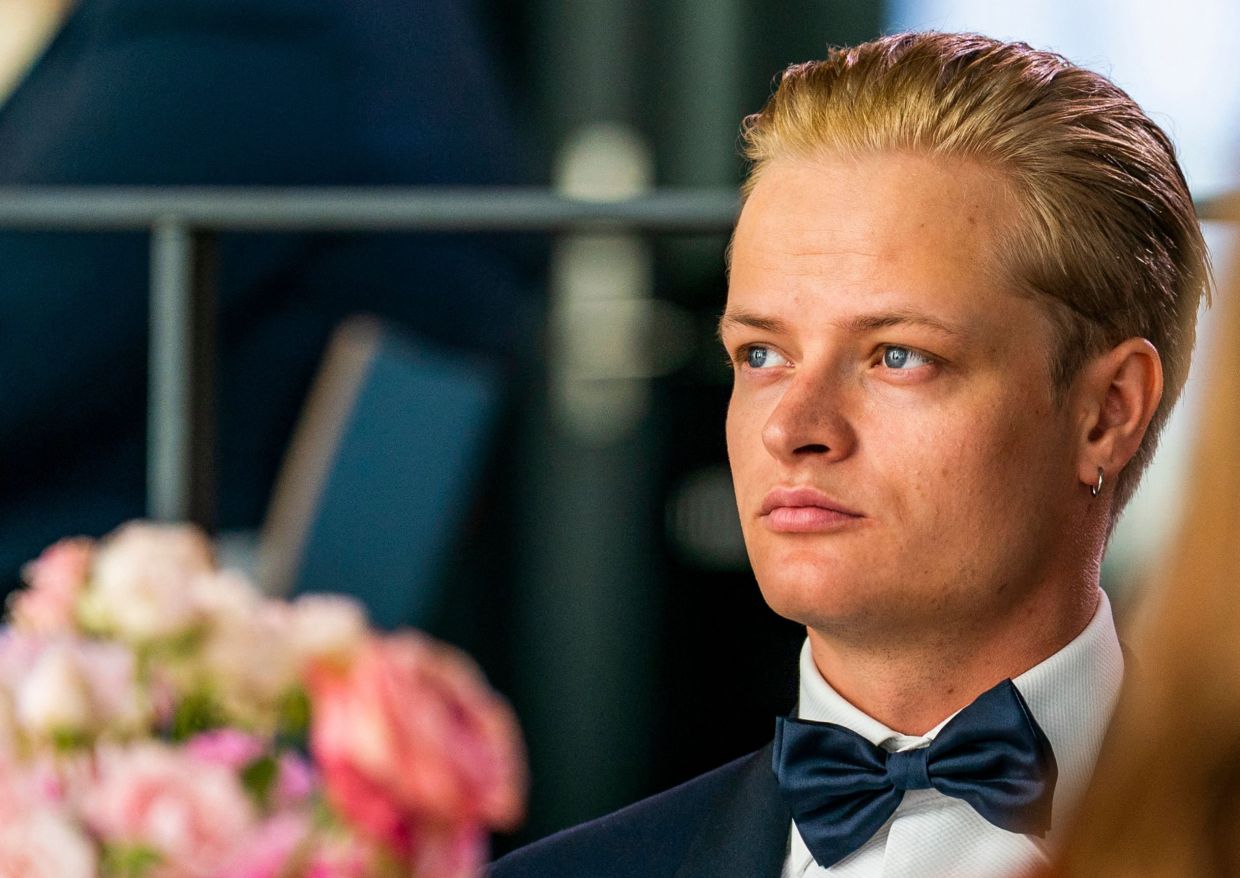
Marius Borg Høiby, the 29-year-old eldest son of Norway's Crown Princess Mette-Marit, received a four-year custodial sentence on Monday following his conviction on two rape charges and related offences of assault and abuse within intimate relationships. The Oslo District Court verdict, delivered after a six-week trial that concluded in March, marks a significant conclusion to a case that has captivated international media attention due to Høiby's proximity to the Scandinavian nation's royal household, despite holding no official title or formal role within the monarchy.
The court found Høiby guilty on two of the four rape allegations brought against him, clearing him entirely of the remaining two charges. Beyond the sexual assault convictions, he was also found culpable for assault and domestic abuse offences. As part of his sentence, the court mandated that he provide financial restitution to his victims. The four-year term represents a middle position between the prosecution's request for seven years and seven months imprisonment and the defence counsel's submission that he should face no custodial time for rape allegations and at most eighteen months for the lesser offences to which he had already acknowledged responsibility.
The charges stemmed from allegations spanning six years, with prosecutors contending that Høiby had sexually assaulted four separate women between 2018 and 2024 while they were either sleeping or otherwise incapacitated and unable to consent. The broader criminal investigation encompassed forty separate charges encompassing an extensive range of conduct, from the serious sexual violence allegations down to minor infractions including assault, narcotics-related crimes, and breaches of court-ordered restraining orders. Høiby maintained his innocence regarding the rape accusations throughout the proceedings but acknowledged committing various lesser offences, a position that shaped the defence strategy.
Notably, Høiby was absent from the courtroom when the verdict was announced, instead watching the court's reading of the judgment through video link from his place of detention, citing undisclosed health complications. This absence further underscored the proceedings' unusual nature and the various logistical and personal difficulties surrounding the case. The defendant retains the right to lodge an appeal challenging the conviction and sentence, meaning the verdict does not constitute final legal determination of his culpability.
The trial itself involved extensive testimony from multiple accusers alongside detailed examination of documentary evidence recovered from Høiby's mobile telephone, including text communications, photographs, and video recordings. This evidentiary foundation formed the basis upon which the court ultimately determined his guilt on the two rape counts and related offences. The proceedings attracted substantial scrutiny from media organisations internationally, transforming a Norwegian criminal matter into a phenomenon with genuine global resonance.
Høiby's connection to the Norwegian throne provided much of this extraordinary public interest. As the biological son of Crown Princess Mette-Marit from a relationship preceding her marriage to Crown Prince Haakon—who stands as the direct heir to Norway's monarchy—Høiby occupied a unique position within the royal family structure. Although he maintained no formal title, held no constitutional responsibilities, and conducted no official state business, he was nonetheless raised within the royal household alongside the future sovereign. This proximity to power, combined with the nature and severity of the allegations, ensured sustained media coverage extending far beyond Norway's borders.
Circumstances surrounding the case intensified dramatically in recent weeks as Crown Princess Mette-Marit's health condition deteriorated significantly. The princess suffers from pulmonary fibrosis, a progressive respiratory condition requiring mechanical intervention, and is presently awaiting a lung transplant. Her declining medical circumstances fed into legal arguments concerning whether her son should receive temporary release from custody pending the verdict announcement. However, appellate courts consistently rejected such petitions, ruling that Høiby must remain incarcerated throughout the judicial process.
The trial unfolded against the backdrop of fresh revelations regarding Mette-Marit's prior personal interactions with Jeffrey Epstein, the American financier and convicted sex offender who died in custody in 2019. These disclosures prompted renewed examination of the entire royal family's judgment and associations. The crown princess issued a public statement acknowledging her previous contacts with Epstein and characterising her maintenance of the relationship as constituting poor judgment. She emphasised, however, that she herself faces no criminal allegations and has committed no unlawful conduct, positioning herself as having exercised poor discretion rather than legal transgression.
The convergence of these elements—a serious criminal trial involving a royal family member, the crown princess's serious health complications, the lung transplant proceedings, and the resurrection of the Epstein associations—created an unusually complex and emotionally charged atmosphere surrounding Norwegian royal affairs. For Malaysian and Southeast Asian observers, the case offers perspective on how major democracies handle royal family members within their justice systems, demonstrating that royal connection does not immunise individuals from prosecution or prison sentences. The outcome suggests that even in constitutional monarchies with long-established traditions, modern legal systems prioritise accountability principles over aristocratic privilege.

