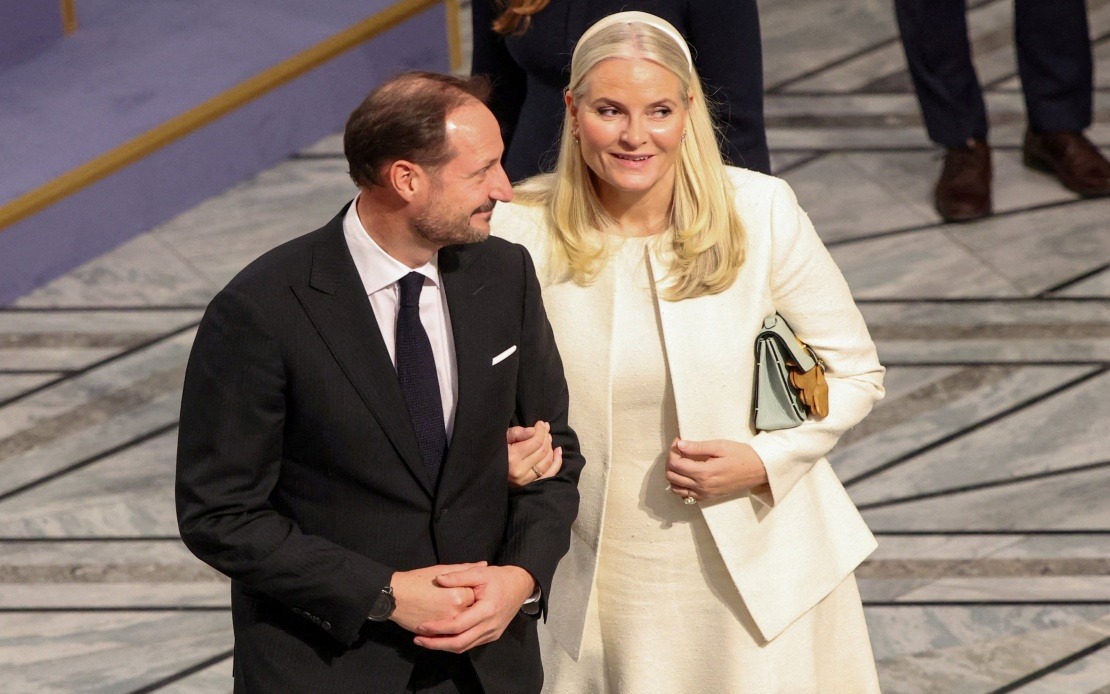
Crown Princess Mette-Marit of Norway has undergone a successful lung transplant operation, the Royal Palace in Oslo confirmed on Wednesday following an announcement by the German Press Agency. The procedure represents a significant moment for the royal family and the Norwegian nation, concluding months of medical uncertainty surrounding the health of the wife of Crown Prince Haakon.
Mette-Marit, aged 52, has been living with pulmonary fibrosis, a progressive and incurable lung disease characterised by the gradual scarring of lung tissue. This degenerative condition progressively restricts the organ's ability to function, making each breath increasingly laboured and taxing on the body. In recent years, the Crown Princess has relied on supplemental oxygen administration during her daily activities, a visible reminder of her deteriorating respiratory capacity and a stark indicator of the severity of her medical condition.
The Royal Palace made the historic announcement on June 5 that Mette-Marit had been formally added to the national waiting list for lung transplantation. This step signified that medical professionals had determined her condition had reached a critical juncture where a new organ represented her best opportunity for survival and improved quality of life. Patients typically qualify for such waiting lists only when their life expectancy without intervention falls to approximately one year, underscoring the gravity of her situation.
The public announcement of her medical crisis appears to have galvanised the Norwegian population into action. Following the disclosure of her transplant candidacy, the number of potential organ donors in Norway experienced a dramatic surge, according to reporting from Norwegian news agency NTB citing data from the country's Organ Donation Foundation. This phenomenon, often termed the "celebrity effect" in transplant medicine, demonstrates how prominent cases can raise public awareness about organ donation and motivate citizens to register as donors.
For Malaysia and other Southeast Asian nations grappling with chronic organ shortage, the Norwegian experience offers important lessons about the power of transparency and public education in addressing transplant deficits. Many regional countries face severe shortages of available organs, with waiting lists that extend years rather than months. The surge in donor registrations following Mette-Marit's case illustrates how strategic communication and public engagement can shift donation rates, suggesting that Malaysian health authorities and regional governments might benefit from similar public awareness campaigns.
Pulmonary fibrosis itself remains a medical challenge globally, including within Southeast Asia where air quality concerns and environmental factors contribute to respiratory disease prevalence. The condition involves the abnormal formation of scar tissue within the lungs, progressively reducing the organ's elasticity and gas exchange capability. Unlike infections or acute lung injuries, fibrosis is largely irreversible through medical management alone, making transplantation the only viable long-term solution for eligible patients.
The timing of Mette-Marit's successful transplant is particularly noteworthy given the chronic shortage of available organs worldwide. Her case highlights both the remarkable advances in surgical technique and immunosuppressive therapy that make transplantation possible, and the persistent inequality in access to such life-saving procedures. While Nordic countries benefit from robust organ procurement systems and sophisticated healthcare infrastructure, many developing nations in Southeast Asia lack comparable capacity to perform such complex procedures.
The psychological and public health dimensions of her case extend beyond the individual patient. Royal health crises often prompt broader conversations about healthcare accessibility, resource allocation, and the ethical frameworks governing transplantation. In Norway, a nation with strong public health traditions and relatively equitable medical access, Mette-Marit's journey has likely reinforced public confidence in the healthcare system while simultaneously raising awareness about donation.
For the broader Scandinavian and European context, this successful outcome strengthens the case for continued investment in transplantation infrastructure and organ procurement networks. It also underscores the critical importance of maintaining public trust in donation systems, as demonstrated by the surge in registrations. These factors collectively position nations like Norway as leaders in transplantation outcomes and donor recruitment.
Looking forward, Mette-Marit's successful transplant offers hope to the thousands of patients worldwide awaiting lung transplantation. However, her access to world-class surgical expertise and post-transplant care remains unavailable to the vast majority of patients in developing countries. The case serves as both a triumph of modern medicine and a reminder of the stark disparities in healthcare access that continue to characterise our globalised world.

