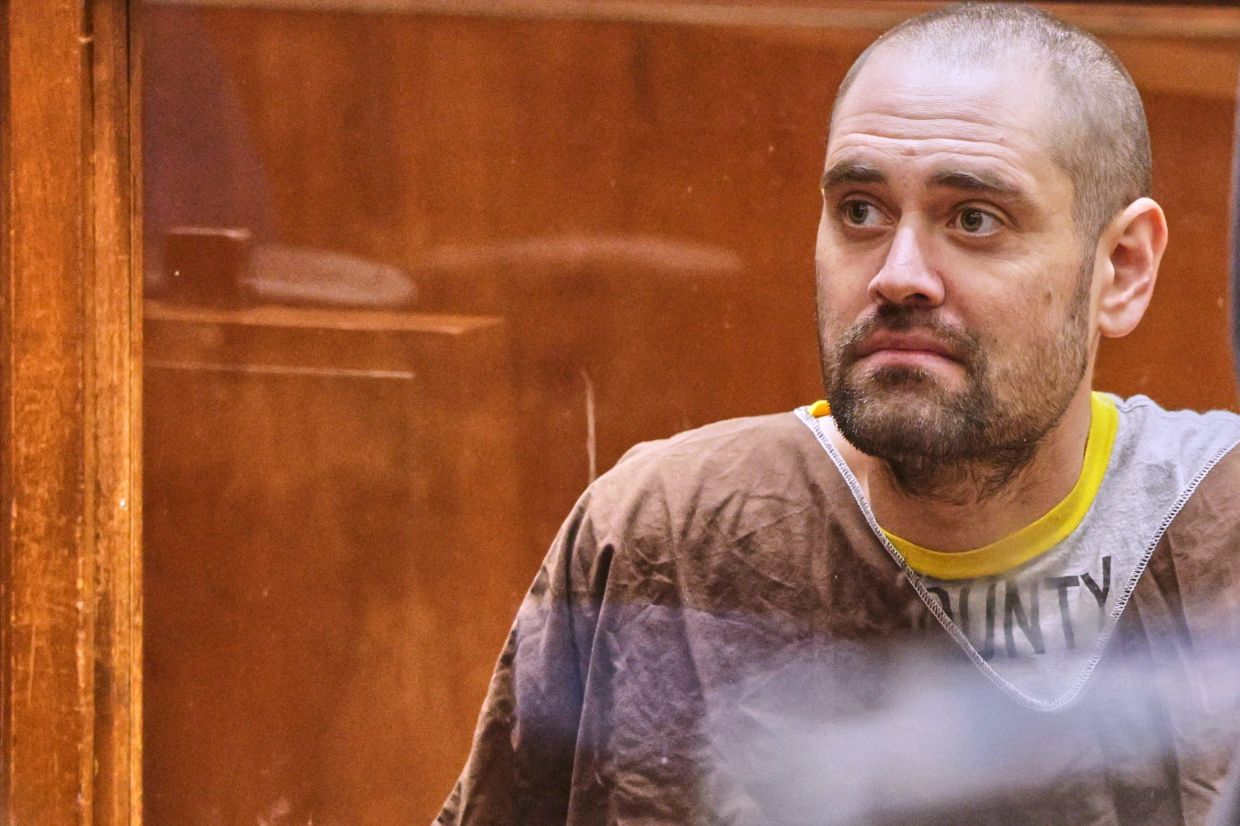
The 32-year-old son of acclaimed filmmaker Rob Reiner has turned to the courts seeking immediate access to trust funds his parents established decades ago, arguing he needs the money to mount a proper legal defence against charges that he fatally stabbed both of them in their Brentwood home on December 14. Nick Reiner's civil petition filed Monday in Los Angeles County court contends that trustees have wrongfully withheld funds without legal justification, denying him resources that are rightfully his to use for his defence.
Rob Reiner, the acclaimed Hollywood director, and his wife Michele Singer Reiner, a photographer and producer, were killed in what authorities have treated as a homicide. Nick Reiner was arrested hours after their deaths and subsequently entered not guilty pleas to two counts of murder. The circumstances surrounding the killings remain largely shrouded in secrecy, with court orders restricting disclosure of autopsy details and both prosecution and defence maintaining tight control over information in the case.
The trust dispute underscores mounting financial pressures facing Nick Reiner as he prepares for what could be an extensive legal battle. He initially retained prominent defence attorney Alan Jackson, but the lawyer withdrew from representation less than a month into the engagement, citing reasons he declined to publicly disclose. The petition filing now clarifies that Nick's siblings, Jake and Romy Reiner, had initially agreed to fund Jackson's legal representation before reversing their decision.
In a declaration accompanying the petition, Jackson indicated his firm remains prepared to resume Nick Reiner's representation once funding becomes available, suggesting the departure was financially motivated rather than based on any assessment of the case merits. Jackson had publicly declared outside court that under California law, Nick Reiner is presumed not guilty of the charges against him, a position consistent with standard defence protocol.
The disputed trust originates from arrangements Rob and Michele Reiner established in 1993, creating individual trusts for each of their three children separate from the larger family trust. According to the petition, these trusts contained explicit instructions that Nick Reiner would receive fifty percent of his allocated funds upon reaching age thirty, with the remaining balance payable at thirty-five. The filing indicates Nick never received the funds owed at age thirty, and the current trustee has since offered what the petition characterises as shifting justifications for continued withholding.
Paul R. Kanin, the attorney appointed as trustee in February, has raised concerns about Nick Reiner's mental competence as a reason for denying access, the petition alleges. However, Nick Reiner's legal team argues such considerations are irrelevant to what amounts to a mandatory payout obligation under the trust's terms. The petition asserts that Kanin should release funds owed at both the thirty and thirty-five-year milestones immediately, given Nick's pressing defence needs and basic living expenses while in custody.
The trust contains at least 1.5 million dollars in assets, though Kanin has refused to disclose the precise valuation to Nick Reiner or his representatives. This opacity has prevented Nick from fully understanding what resources he might access even if the court rules in his favour. Kanin did not respond to requests for comment regarding the withholding or his justifications for denying the distributions.
Nick Reiner's defence petition emphasises his presumption of innocence and his constitutional right to mount a vigorous defence using his own lawfully held resources. The document states that while Nick is devastated by his parents' deaths, the factual circumstances surrounding the homicides are not properly matters for trust litigation. Instead, the petition frames the dispute as a straightforward question of whether trustees can arbitrarily deny mandatory distributions to a beneficiary without legal cause.
The criminal proceedings are advancing slowly through the system. Nick Reiner is scheduled to appear for a pretrial hearing in September, with both sides presumably preparing their cases in earnest. District Attorney Nathan Hochman's office has not yet determined whether to seek the death penalty, a decision that carries enormous implications for the trajectory and ultimate stakes of the case. The absence of publicly disclosed details about potential motive, weapon, or forensic evidence means many fundamental questions remain unanswered in what has become one of Los Angeles's most closely watched criminal cases.
Jake Reiner, Nick's older brother, provided his first extensive public remarks about the tragedy in April, describing the experience as a "living nightmare" that exceeds what he can comprehend. Such statements from family members suggest deep divisions and trauma within the Reiner family as they grapple simultaneously with the loss of two parents and the criminal prosecution of a third family member. The trust fund dispute represents yet another fracture in the family's response to an extraordinarily difficult situation, with financial support becoming entangled in questions of guilt and innocence that ultimately remain for a jury to resolve.
For Malaysian readers observing from across the Pacific, this case illustrates complexities within America's legal system regarding the rights of the accused and the management of family assets during criminal proceedings. The distinction between civil and criminal matters, the presumption of innocence regardless of public perception, and the mechanisms through which defendants access resources for their defence reflect fundamental aspects of common law traditions that inform Malaysian jurisprudence as well. How the Los Angeles courts ultimately resolve this trust dispute will set precedent for how financial assets can be deployed by the accused to exercise their constitutional rights.