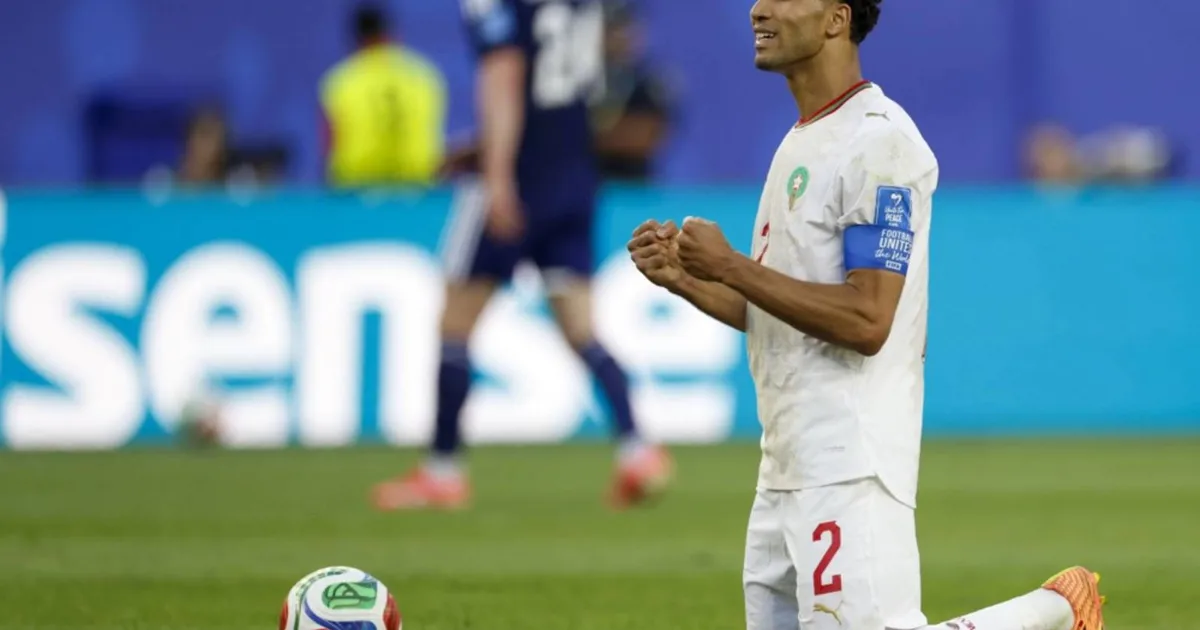
Achraf Hakimi, the Paris Saint-Germain defender and key member of Morocco's World Cup squad, is maintaining his composure as he confronts serious allegations in France, according to remarks from his national team's coaching staff. The 25-year-old player faces a rape charge stemming from an incident allegedly involving a 24-year-old woman in the Paris region during 2023, a claim he has firmly rejected.
Morocco's World Cup coach has publicly vouched for the player's psychological resilience during this challenging period, suggesting that Hakimi continues to demonstrate the mental fortitude expected of a professional athlete managing off-field complications. The reassurance comes as questions mount about how such proceedings might affect both the player's club performance and his availability for international duties.
The allegations emerged in 2023 and have now progressed to a point where formal legal proceedings are underway. The timing presents a significant test for Hakimi, whose defensive prowess has been instrumental to PSG's European campaigns and Morocco's continental aspirations. His legal team has consistently maintained his innocence, positioning this as a matter requiring proper judicial scrutiny rather than premature judgment.
For Malaysian and Southeast Asian sports observers, the case underscores the complex intersection between elite athletics and legal accountability in Europe's sporting ecosystem. Players from non-European backgrounds often find themselves navigating unfamiliar legal systems while simultaneously managing the immense pressure of professional football at the highest level. Hakimi's situation exemplifies how reputational and career concerns compound the already stressful reality of defending against serious allegations.
PSG's handling of the matter has remained relatively measured, allowing the player to continue his club duties while legal processes unfold. This approach differs sharply from some football clubs that have opted for immediate suspension or reassignment when players face criminal allegations. The French club's stance suggests confidence in Hakimi's ability to separate his professional environment from personal legal matters.
The World Cup coach's public statement serves multiple functions within the broader narrative surrounding the case. By emphasizing Hakimi's mental stability and focus, the coaching staff signals to the international football community that the player remains a dependable asset to the national team's competitive ambitions. This endorsement carries weight in a sport where psychological resilience often determines success on the pitch.
Morocco's qualification for recent World Cup tournaments has elevated the profile of its players significantly. The nation's football development infrastructure has produced a generation of athletes capable of competing at Europe's elite club level while representing their country with distinction. Hakimi epitomizes this development, having risen through PSG's ranks to become one of the most prominent North African defenders in contemporary football.
The legal proceedings introduce uncertainty into planning for both club and country. International fixture scheduling, club competitions, and potential tournament participation all carry implications if the trial extends over several months. For Morocco's football federation and PSG's management, contingency planning becomes essential even as they maintain public support for the player's presumption of innocence.
Within the broader context of athlete conduct and accountability, the case demonstrates how modern football must reconcile the personal circumstances of players with institutional responsibilities and public expectations. The approach taken by Hakimi's representatives, his club, and his national team will likely influence how similar situations are handled across professional sport in the coming years.
For supporters and analysts observing from Southeast Asia, where awareness of elite European football runs high, the case raises questions about player protection mechanisms, fair process, and the intersection of national pride with individual accountability. Morocco's investment in developing world-class players means that Hakimi's situation attracts national attention beyond purely sporting considerations.
The coach's comments also reflect an organizational choice to weather the legal storm without abandoning the player, a position that requires confidence both in Hakimi's character and in the judicial process unfolding in France. This stance carries reputational risk, yet also demonstrates commitment to supporting personnel through difficult periods.
Moving forward, the resolution of these proceedings will likely define not only Hakimi's career trajectory but also set precedent for how football institutions manage high-profile legal cases involving players. The composure he reportedly demonstrates during this ordeal may itself become part of the narrative surrounding his professional reputation, regardless of the trial's ultimate outcome. For now, the football world watches as legal and sporting spheres intersect in ways that will influence the sport's broader culture for years to come.

