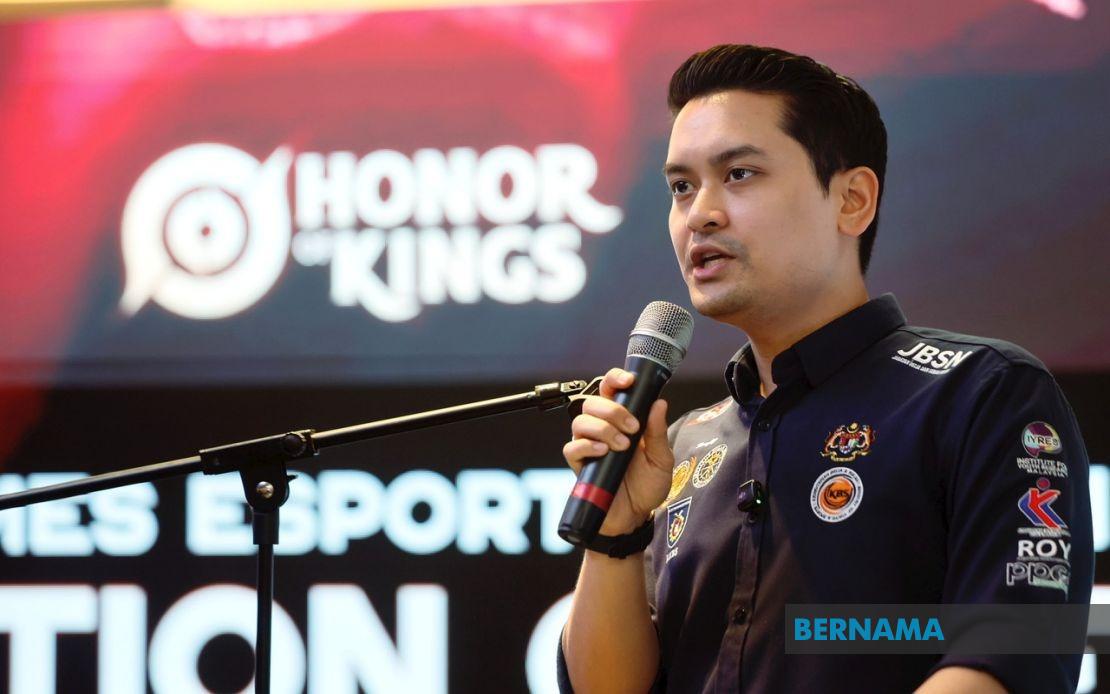
Youth and Sports Minister Dr Mohammed Taufiq Johari has moved to reassure the cycling community that grievances raised by John Beasley, the national track cycling technical director, are receiving comprehensive attention at ministry level. Speaking in Kuala Lumpur on June 16, Taufiq underscored the government's commitment to resolving the mounting tensions within Malaysian cycling without allowing the sport's competitive trajectory to suffer during a critical period for national representation at international competitions.
Beasley's frustrations, which have become increasingly public in recent weeks, centre on several systemic challenges that he contends are hampering the development of Malaysian track cycling. Among his chief complaints are allegations that political considerations influence athlete selection processes, that excessive bureaucratic procedures slow decision-making, and that limited resources are being directed toward nurturing grassroots participation—the foundational layer required to build sustainable sporting excellence. These concerns reflect broader tensions that have surfaced within Malaysia's cycling ecosystem, suggesting deeper structural issues beyond individual personalities.
To address these mounting tensions, the National Sports Council convened a comprehensive town hall session on June 8 that brought together the full spectrum of stakeholders in Malaysian cycling. The gathering included representatives from the Malaysian National Cycling Federation, state cycling associations, coaching staff, and Beasley himself. The deliberative format was designed to foster consensus-building rather than impose top-down solutions, with particular emphasis placed on the contentious issue of athlete selection and the procedures governing which athletes state associations release to compete in national-level championships. This collaborative approach acknowledges that sustainable solutions require buy-in from multiple constituencies rather than directive management.
The timeline surrounding Beasley's tenure has added urgency to these discussions. Reports had suggested that the British cycling technical expert, whose contract extends until January 31 next year, is now expected to depart his position by the end of 2024—several months ahead of schedule. This accelerated departure would represent a significant loss given Beasley's expertise and the investment made in bringing him to Malaysia. The underlying assumption that his early exit stems from accumulated frustration over unresolved internal governance matters points to organizational dysfunction that extends beyond his individual role.
Minister Taufiq indicated that further high-level discussions are being scheduled between his ministry, Beasley, and the Malaysian National Cycling Federation to forge agreement among the parties. These follow-up meetings represent an escalation in institutional engagement, signalling that the ministry recognizes the gravity of the situation and is willing to commit resources to resolution. The explicit framing of these discussions as seeking "common ground" suggests recognition that previous communication channels may have been inadequate.
Critically, Beasley has provided assurances that he will maintain full professional engagement with his current responsibilities through the remainder of 2024. This commitment is especially significant given that Malaysia faces a demanding calendar of major competitions, including the Commonwealth Games and the Asian Games. For athletes whose preparation timelines have been carefully calibrated around these competitions, the continuity of technical leadership during the final months before major events is invaluable. Any disruption to coaching stability at this juncture could meaningfully compromise performance prospects.
Taufiq's public statements emphasize that athlete preparation remains unaffected by the institutional tensions and that Beasley "remains committed" to leading the national team through these major competitions. The minister's framing attempts to separate the administrative and governance disagreements from the technical delivery of coaching and athlete development. However, the gap between formal commitment and actual operational capacity when trust relationships are strained deserves scrutiny—organizational dysfunction tends to permeate all functions even when senior figures maintain professional facades.
The minister has also signalled the ministry's broader intention to establish a more inclusive governance framework for Malaysian sports. Taufiq emphasized that the approach being adopted seeks to create platforms where all relevant stakeholders can voice concerns and contribute to decision-making processes. This emphasis on collaborative rather than unilateral decision-making reflects acknowledgment that previous governance models may have concentrated authority too narrowly or failed to adequately incorporate the perspectives of technical experts like Beasley.
The focus on improving governance structures, coupled with specific attention to grassroots development constraints, suggests the ministry recognizes that Malaysian cycling faces systemic challenges beyond the current technical director's tenure. Building sustainable international competitiveness requires robust grassroots infrastructure, rational selection processes insulated from political pressure, and streamlined administrative procedures that empower coaches rather than constraining them. These improvements cannot be implemented quickly, and their success will depend on whether stakeholders genuinely commit to behavioral change or whether the reform dialogue becomes performative.
For Malaysian cycling, the immediate priority remains stabilizing the current competitive cycle and ensuring that Beasley's final months with the national program are productive rather than marked by deteriorating relationships. However, the deeper significance of these tensions lies in what they reveal about how Malaysian sports governance operates. The issues Beasley has highlighted—political interference, administrative friction, underinvestment in grassroots development—are not unique to cycling and may reflect systemic patterns affecting multiple sports. How successfully the ministry and cycling federation resolve these concerns could establish templates, positive or negative, for addressing similar governance tensions elsewhere in Malaysian sports.
The coming weeks will be instructive in assessing whether the ministry's collaborative rhetoric translates into substantive change. If follow-up discussions produce concrete agreements on athlete selection processes, administrative streamlining, and grassroots funding commitments, the episode might catalyze genuine organizational improvement. Conversely, if discussions conclude without meaningful structural change and Beasley departs as anticipated, the cycling federation will face the challenge of recruiting and retaining future technical expertise while the underlying governance problems persist.

