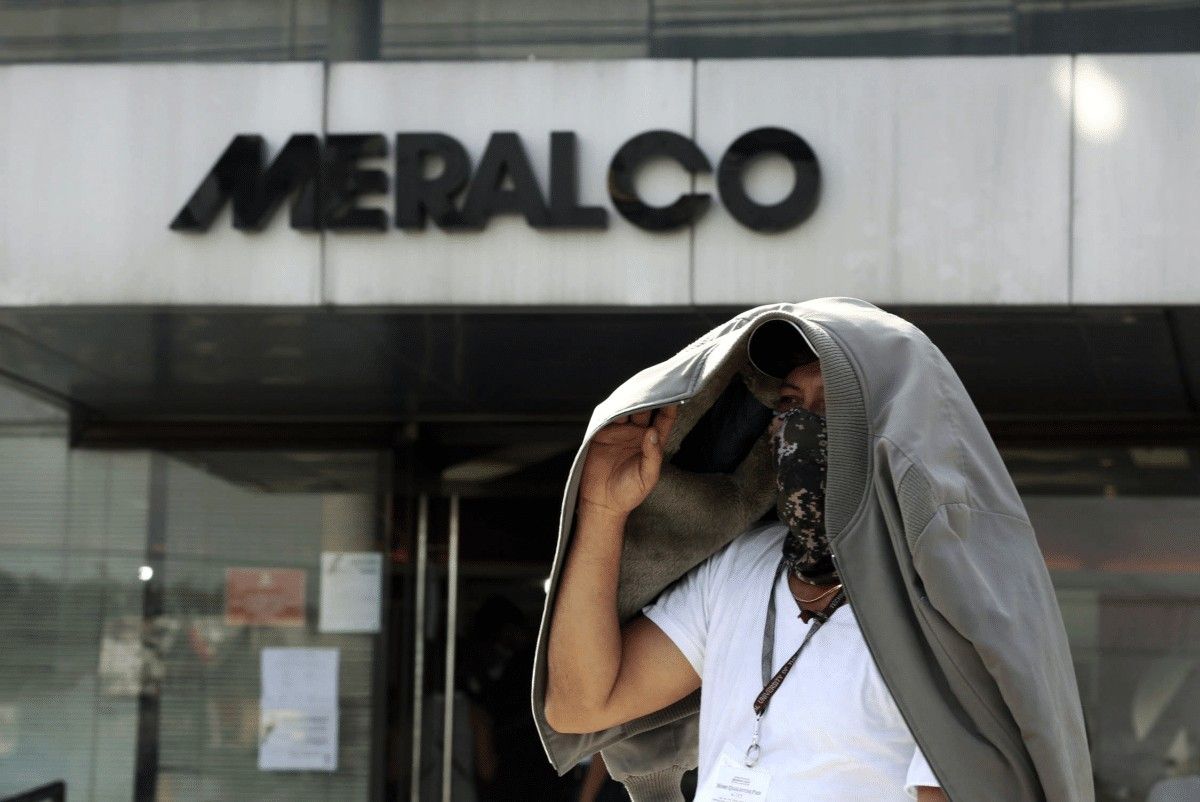
The Philippine Energy Regulatory Commission has handed power consumers a significant victory, ordering Manila Electric Co. (Meralco) to distribute a ₱9.5 billion refund in recognition of what regulators determined were excess charges passed to customers. The ruling, issued on July 31, represents a substantial rate correction that will be parcelled out gradually rather than in a single lump sum, with the refund appearing as a distinct deduction in consumers' monthly electricity bills spread across the coming six months. For a country where energy costs consume an outsized portion of household budgets and industrial operational expenses, this intervention by the Energy Regulatory Commission signals a continued commitment to protecting consumers from rate misalignments that can accumulate silently over extended periods.
The refund translates to a credit of ₱0.3449 per kilowatt-hour consumed during the lapsed period, the technical term regulators use to describe the interval when utility companies continue billing customers under outdated rate schedules while awaiting approval of new tariff structures. Meralco, as the country's largest power distributor serving Metro Manila and nearby provinces where much of the nation's economic activity concentrates, collected these excess charges throughout 2025 whilst its rate reset application proceeded through the regulatory approval process. The ERC's decision essentially declares that Meralco retained funds beyond what it was legitimately entitled to collect, necessitating restitution to the millions of residential, commercial, and industrial customers who bore the cost of this temporal misalignment.
According to Energy Regulatory Commission chair Francis Saturnino Juan, the implementation timeline begins immediately upon the distributor's receipt of the formal ruling, with the refund appearing as a separate line item starting with the next available billing cycle. This administrative approach, rather than requiring customers to file claims or apply for credits individually, ensures that the financial relief reaches affected consumers automatically and uniformly. The decision reflects a regulatory philosophy that places the burden of correcting such discrepancies squarely on the utility company rather than requiring individual consumers to navigate bureaucratic processes to recover what amounts to their own money.
The rate reset mechanism that triggered this situation represents a cornerstone of utility regulation across the Philippines and much of the developing world. Under this framework, regulated entities such as Meralco must periodically submit detailed filings to the ERC documenting their operational expenditures, capital investment plans, and financing requirements over a designated period, customarily five years unless the regulator determines extension is warranted. These submissions form the evidentiary foundation upon which regulators calculate the tariffs that utilities may subsequently charge consumers, balancing the company's need for adequate revenue against consumers' interest in paying only for legitimate service costs plus a reasonable profit margin.
The lapsed period phenomenon represents an inherent tension in utility regulation that affects companies and consumers alike. Once Meralco submitted its rate reset application, existing tariffs remained frozen whilst regulators conducted extensive review of the company's financial submissions, interrogated assumptions underlying the proposal, and conducted public consultations. During this investigative phase, which extended throughout 2025, Meralco continued billing customers under the previously approved rate structure. When inflation erodes costs or when companies argue that their expense bases have legitimately increased, this lag period means consumers temporarily pay below the rate the utility will ultimately be permitted to charge. Conversely, if rates were set excessively high during the previous regulatory period and costs declined, consumers overpay during the lapse until the new, lower rate structure becomes effective.
In Meralco's case, the ERC determined that the previous rate approval had embedded sufficient revenue recovery that the distributor was, in effect, charging more than justified during the interim period. The ₱9.5 billion figure represents what the regulator calculated as the cumulative over-recovery across the entire customer base and twelve-month period. The magnitude of this figure underscores both the scale of Meralco's operations and the reality that even modest per-unit overcharges compound substantially when multiplied across millions of consumers and months of service provision.
The ERC's inclusion of interest charges in calculating the refund amount adds another layer to the regulatory reasoning. The commission determined that because Meralco held customer funds beyond the amount it was entitled to retain, those funds should earn interest equivalent to what Meralco would normally incur on borrowed capital. This interest-inclusive calculation embodies a principle of equity—that the utility should not benefit financially from the timing advantage of collecting excess revenue during the regulatory lag. Including interest compensates consumers not merely for the principal amount overcharged but also for the implicit cost of capital they effectively provided to Meralco interest-free during the lapsed period.
For Malaysian readers, this Philippine regulatory outcome carries instructive implications as Malaysia confronts its own energy market complexities. Both countries grapple with the challenge of designing tariff structures that incentivize utility efficiency and capital investment whilst protecting consumers from arbitrary or excessive charges. The Philippines' approach of mandating automatic refunds through bill credits rather than individual claim processes offers an alternative model to more burdensome regulatory procedures. Additionally, the explicit incorporation of interest in refund calculations reflects an understanding that the time value of money matters even in utility regulation, and that consumer funds cannot be treated as interest-free loans to service providers.
The broader Southeast Asian energy landscape increasingly turns attention to regulatory effectiveness and consumer protection as electricity demand accelerates alongside economic growth. Major distributors operating across the region face mounting pressure to justify rate structures and demonstrate that tariff increases reflect genuine cost increments rather than margin expansion. Meralco's refund demonstrates that regulators possess tools to correct tariff misalignments when they occur, though the existence of such remedies arguably raises questions about whether the rate-setting process itself could be refined to minimize the need for after-the-fact corrections.
Meralco faces the immediate operational challenge of implementing a ₱9.5 billion refund whilst maintaining its business model and capital expenditure plans. The company must ensure that the refund processing integrates smoothly with its billing systems to avoid customer confusion or administrative complications. For the millions of Meralco customers, the refund offers modest but tangible relief during a period when energy costs remain elevated across the region due to global fuel price pressures and infrastructure investment requirements.
This regulatory intervention also reflects the ERC's assertive stance in recent years regarding the balance between utility profitability and consumer affordability. The commission has become increasingly willing to challenge utility filings that it views as inadequately justified or that would disproportionately burden consumers. The ₱9.5 billion refund decision signals that regulators will not hesitate to order restitution when evidence indicates utilities have overcollected, establishing a precedent that may influence future rate reset proceedings and encourage utilities to propose more conservative tariff adjustments.

