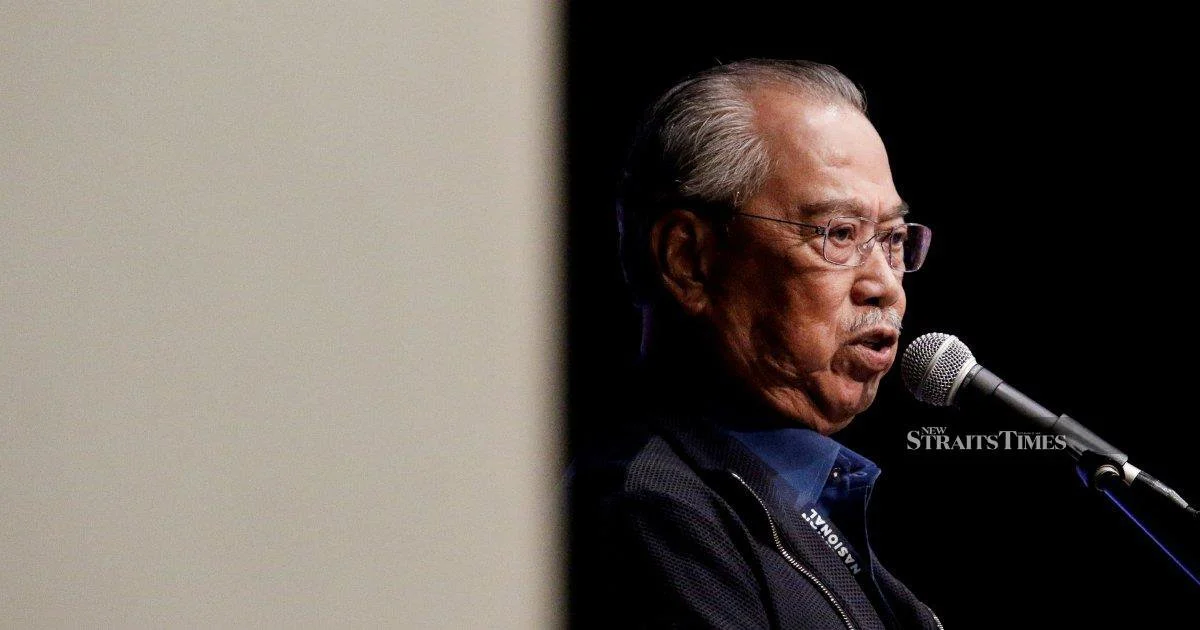
Datuk Dr Marzuki Mohamad has firmly rebutted accusations that Perikatan Nasional stumbled in its attempt to secure federal power following the 15th General Election due to personal rivalries or an individual's unwillingness to cede the prime ministerial post to another candidate. The prominent political figure's remarks come amid ongoing scrutiny of the coalition's collapse, which left Malaysia navigating a fragmented parliament and ultimately paved the way for alternative governmental configurations. His intervention suggests that internal PN narratives continue to diverge sharply from public perceptions about what derailed the bloc's initial bid for majority control.
The aftermath of GE15 in November 2022 represented a watershed moment for Malaysian politics. The election produced a hung parliament with no single entity commanding the necessary 112-seat threshold in the Dewan Rakyat. Perikatan Nasional had emerged as the largest single coalition with 73 seats, positioning it as the presumptive frontrunner to assemble a government. However, the coalition ultimately failed to translate this advantage into substantive power, and Barisan Nasional subsequently negotiated a unity coalition with other stakeholders that excluded PN from the federal cabinet. The events that unfolded remain deeply contentious within political circles, with competing interpretations about culpability and causation.
Marzuki's assertion introduces a constitutional dimension to the debate that has previously received less public attention than personality-driven explanations. Rather than attributing PN's setback to individual intransigence or personal rivalries, he frames the episode through the lens of fundamental governance structures and constitutional constraints. This framing carries significant weight because it redirects accountability away from interpersonal dynamics toward systemic and institutional factors. The distinction matters considerably for understanding whether the coalition faced surmountable obstacles rooted in personal relationships or encountered structural impediments embedded within Malaysia's constitutional framework itself.
For Malaysian observers, this clarification holds practical relevance. If constitutional provisions genuinely complicated PN's path to government formation, then the question of leadership succession becomes secondary. Conversely, if personal disagreements genuinely scuttled negotiations, then the coalition's capacity to function as a cohesive unit remains fundamentally compromised regardless of which individuals occupied which positions. Marzuki's intervention appears designed to bolster confidence in PN's institutional viability by suggesting that GE15's outcome reflected bad constitutional fortune rather than irredeemable internal dysfunction.
The timing of Marzuki's remarks warrants consideration. Perikatan Nasional has invested considerable effort in rebuilding its image and organizational coherence since GE15. Party leaders have attempted to present the coalition as a legitimate vehicle for alternative governance while downplaying allegations of factionalism or unsustainable power-sharing arrangements. Statements attributing the 2022 setback to constitutional technicalities rather than personality clashes serve this rehabilitative project by suggesting that PN remains organizationally sound and capable of governing if constitutional circumstances permit. Such messaging appeals to core supporters while potentially attracting fence-sitters who might otherwise dismiss the coalition as terminally fractious.
The constitutional argument also carries implications for how Southeast Asian observers assess Malaysian political stability. International analysts often view the 2022-2023 period as evidence of institutional weakness or democratic fragility. If Malaysian political leaders can credibly attribute their setbacks to constitutional architecture rather than governance breakdown, this narrative provides more reassurance to foreign investors and regional partners concerned about political predictability. Conversely, if the real explanation involves personality-driven dysfunction masked by constitutional language, then deeper questions arise about whether Malaysian institutions can reliably manage political competition and succession.
Within the broader context of Malaysian coalition politics, the PN situation illuminates recurring challenges facing multi-ethnic and multi-ideological alliances. Managing competing demands from constituent parties while maintaining public credibility requires sophisticated negotiation skills and institutional discipline. The coalition's struggles to form government despite holding 73 parliamentary seats suggested either that internal conflicts ran deeper than public statements acknowledged, or that external actors possessed sufficient leverage to render even a plurality outcome insufficient. Marzuki's constitutional emphasis implicitly suggests the latter scenario—that systemic forces rather than personal failings determined outcomes.
The regional dimension adds another layer to this discussion. Perikatan Nasional's composition and ideology have attracted scrutiny from various quarters concerning its commitment to plural democracy and institutional norms. Framing GE15's setback through constitutional rather than personal lenses partially addresses these concerns by emphasizing legality and structural constraint rather than authoritarian tendencies or undemocratic conduct. This framing potentially makes PN more palatable to stakeholders worried about the coalition's governance instincts or ideological commitments.
Looking ahead, Marzuki's intervention signals that PN intends to contest future elections with narratives emphasizing systematic obstacles rather than internal weakness. Whether this constitutional reading persuades skeptical observers remains uncertain. Critics may interpret such framing as deflection designed to obscure genuine organizational problems. Supporters, however, can point to Malaysia's genuinely complex constitutional landscape and fragmented parliament as legitimate external constraints on coalition-building. The debate between these interpretations will likely shape how electoral competition unfolds in coming years and whether PN can rebuild sufficient parliamentary strength to make another serious bid for federal power.

