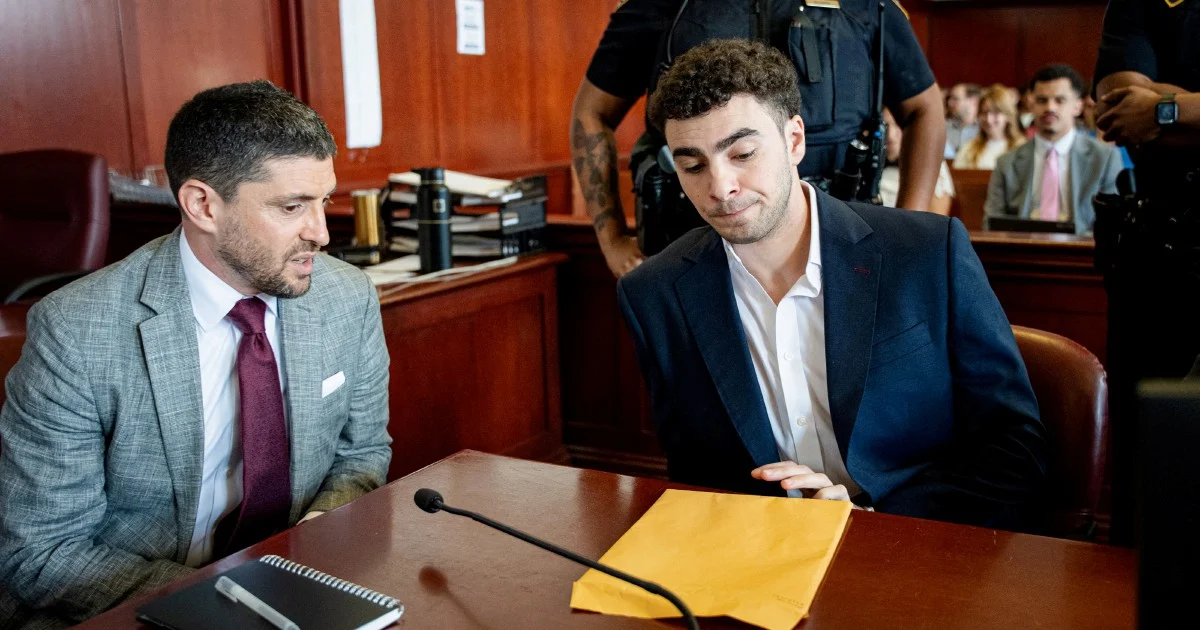
Luigi Mangione, the individual facing charges over the shooting death of a health insurance executive on a Manhattan street, has decided to shelve his strategy of presenting evidence about a severe mental health crisis during the alleged incident. The strategic retreat came through a court filing submitted on Friday, signalling a shift in his defence approach as the case progresses toward trial.
The accused gunman's decision to postpone introduction of psychological evidence represents a significant pivot in how his legal team intends to mount a defence. Rather than contesting the facts of the case or presenting alternative explanations for the November shooting, Mangione's lawyers had previously indicated they would pursue a mental state defence centred on his psychological condition at the critical moment of the alleged crime. By withdrawing this tactic temporarily, the defence has opened questions about what alternative strategy may be developing.
Mental health defences in high-profile murder cases have historically served multiple functions within the American legal system. They can range from establishing diminished capacity—arguing that a defendant's mental state prevented them from forming the specific intent necessary for conviction—to more complete insanity defences that challenge criminal responsibility altogether. The withdrawal suggests either that Mangione's defence team found the psychological evidence insufficient to mount persuasively, or that they are reconsidering their overall trial strategy in light of other factors.
The case has captivated American public attention since the December incident in Midtown Manhattan, where Brian Thompson, the chief executive of UnitedHealthcare, was killed in broad daylight. The shooting sparked widespread discussion about frustrations with the health insurance industry and corporate accountability, transforming the case into something far larger than a routine murder prosecution. Social media reaction and public commentary have influenced the broader context in which the trial will unfold.
Mangione's temporary abandonment of the mental health defence pathway suggests his legal team may be evaluating the strength of other potential arguments. Defence attorneys often reassess their approach based on preliminary evidence exchanges, witness credibility, and expert opinions. The decision to withdraw could indicate that mental health experts retained by the defence found the evidence weak, or conversely, that other defences appear more promising.
From a strategic perspective, defence lawyers must carefully weigh whether presenting evidence of mental illness helps or harms their client in the eyes of jurors. While such evidence can create reasonable doubt about criminal intent, it can also reinforce public perception of dangerousness or paint the defendant in an unfavourable light. The calculation differs significantly depending on the jurisdiction, judge, available evidence, and jury pool composition.
The timing of this withdrawal also carries significance. As discovery proceeds and both prosecution and defence exchange evidence, information emerges that can dramatically reshape how attorneys approach the case. Prosecution evidence, expert reports, and other materials may have influenced Mangione's team to reconsider whether the mental health pathway offered genuine strategic advantage or potential pitfalls.
New York's legal framework requires clear procedural steps for introducing psychiatric and psychological evidence in criminal trials. Courts scrutinise such evidence carefully, particularly in high-profile cases where media attention may already prejudice public understanding. By withdrawing these plans now rather than during trial, Mangione's defence gains flexibility to pursue alternative approaches without the complications that mid-trial strategic shifts create.
The case illustrates how defence strategy in serious criminal charges remains fluid throughout the pre-trial phase. Lawyers continuously assess which arguments resonate with relevant law, judge rulings, and likely jury response. The withdrawal of the mental health defence pathway does not necessarily indicate weakness but rather represents a professional reassessment of the most effective trial strategy available to the defence.
Regional observers and legal professionals tracking the case will likely view this development as an important signal about how Mangione's defence intends to proceed. Whether the withdrawn mental health evidence re-emerges later or remains shelved entirely will depend on how the case develops through coming months. For now, Mangione's legal team has chosen a different direction, keeping their actual trial strategy closely guarded while the prosecution builds its case.

