A Los Angeles Superior Court judge has ruled that a man accused of fatally stabbing veteran character actor James Handy lacks the mental capacity to participate in his own murder trial, marking a significant procedural turn in a case that has drawn attention to questions of mental illness and criminal responsibility. Judge Maria Cavalluzzi determined on Monday that 44-year-old Michael Gledhill cannot grasp the charges against him or rationally cooperate with his legal counsel in mounting a defence, effectively halting the progression toward trial proceedings.
Gledhill's journey through the criminal justice system has been swift and unusual. After police responded to a residence following a 911 call in which the caller cryptically stated "I am the son of man, I just killed the man of sin," Gledhill presented himself to officers and indicated he was the person they sought. Rather than maintaining silence or requesting legal representation, he appeared willing to engage with authorities from the outset—a stance that would later become relevant to questions about his mental state and understanding of the gravity of his situation.
The formal legal proceedings were halted before they could properly commence. When Gledhill's case reached the June 5 scheduled arraignment, the presiding judge made the decision to pause prosecution and transfer the matter to a specialised court dedicated to mental health evaluations. This procedural manoeuvre reflects the American legal system's recognition that trying someone without the cognitive capacity to comprehend charges or participate in their own defence violates fundamental principles of due process.
Psychiatric evaluations conducted in the mental health court system produced a rapid consensus: Gledhill was not competent to stand trial. Judge Cavalluzzi's Monday ruling formalised these clinical findings, extending beyond mere trial fitness to encompass another critical area—medication decisions. The judge found that Gledhill cannot make informed choices regarding psychiatric treatment, a determination that carries significant implications for his care moving forward. She authorised involuntary medication for a one-year period, relying on psychiatric expert testimony indicating that appropriate pharmaceutical intervention could substantially improve his mental health condition.
The case will now progress through a different procedural track entirely. Rather than advancing toward a murder trial, Gledhill has been scheduled for a competency status hearing on July 14 at which the court will determine his long-term placement. This typically means psychiatric hospitalisation or residential mental health treatment rather than conventional incarceration, at least until such time—if ever—that he might regain sufficient competency to face criminal proceedings. Should he eventually demonstrate restored mental fitness through treatment, the case would then resume its path toward trial.
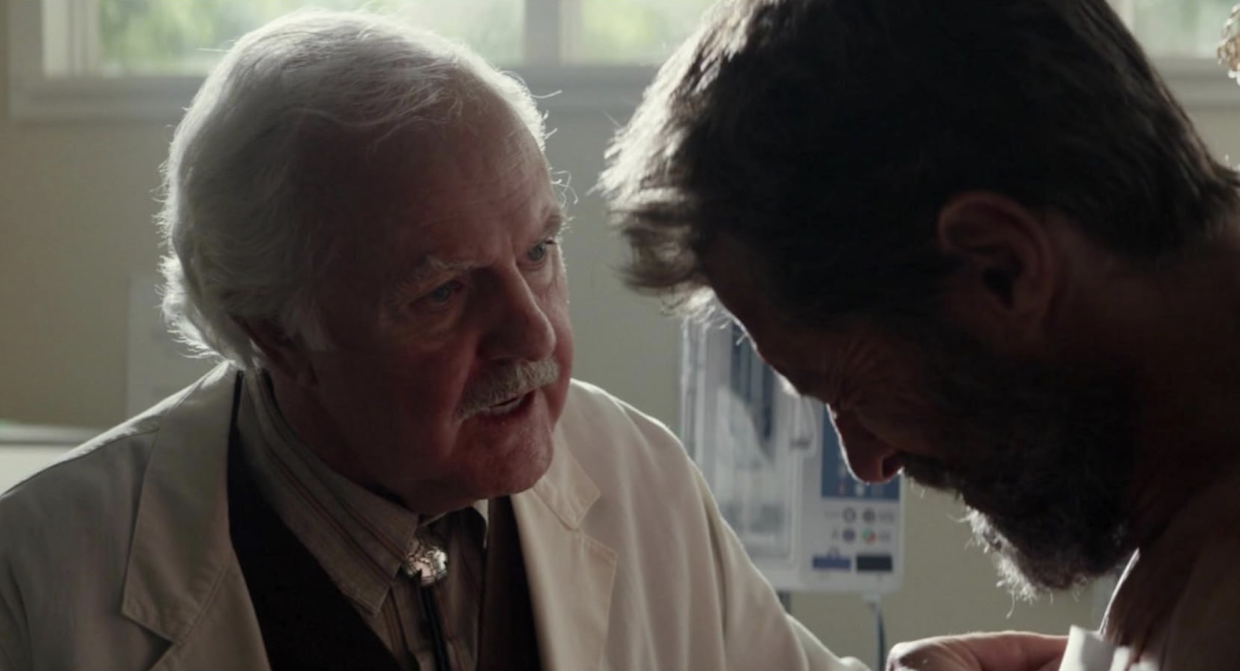
The victim, James Handy, was an 81-year-old character actor who accumulated extensive credits across film and television productions spanning decades. His presence in countless productions earned him recognition as a ubiquitous figure in American entertainment, known for reliability and professionalism across varied roles. His connection to Gledhill appeared rooted in proximity rather than any obvious antagonism, according to accounts from those familiar with both men.
According to Brian Delate, a longtime friend and fellow actor who knew Handy well, the circumstances surrounding Gledhill's presence in Handy's life were complex. Gledhill's mother had arranged her garage to serve as a residence for her son, who struggled with mental health challenges. While Handy maintained his own home, he spent considerable time at the garage residence, apparently maintaining a relationship with the family. Delate recalled that Handy had mentioned in casual conversation that his girlfriend's son—presumably Gledhill—experienced significant mental health difficulties, though the specifics of those conditions were not elaborated.
This backdrop suggests a scenario in which mental illness may have been a known factor in the household dynamic, though the nature of tensions or triggers preceding the fatal confrontation remains unclear from available information. The cryptic nature of the 911 call—referencing biblical or philosophical language about sons and sins—hints at potential delusions or distorted thinking that might characterise Gledhill's mental state.
From a legal standpoint, the incompetency finding represents a critical juncture in American criminal justice where psychiatric reality intersects with procedural protections. The system recognises that prosecution of someone unable to comprehend charges or participate meaningfully in their defence creates a hollow mockery of the adversarial process. Yet the outcome leaves unresolved the fundamental questions about culpability, justice for the victim's family, and appropriate social response.
For Malaysian observers, the case illuminates significant differences in how developed legal systems handle mentally ill defendants. While maintaining accountability principles, common law jurisdictions like the United States provide alternative pathways when mental illness renders traditional criminal proceedings inappropriate. The case also underscores how mental health crises can escalate tragically when adequate treatment and supportive systems are insufficient or unavailable.
The outcome of Gledhill's July 14 hearing will determine whether he enters the mental health system for treatment or faces alternative placement arrangements. Without demonstrated improvement in his mental condition, the murder charges against him may never proceed to trial, potentially leaving Handy's family without the closure that conventional criminal justice would provide. The case ultimately highlights how mental illness can disrupt not only individual lives but also the entire architecture of criminal accountability and justice.