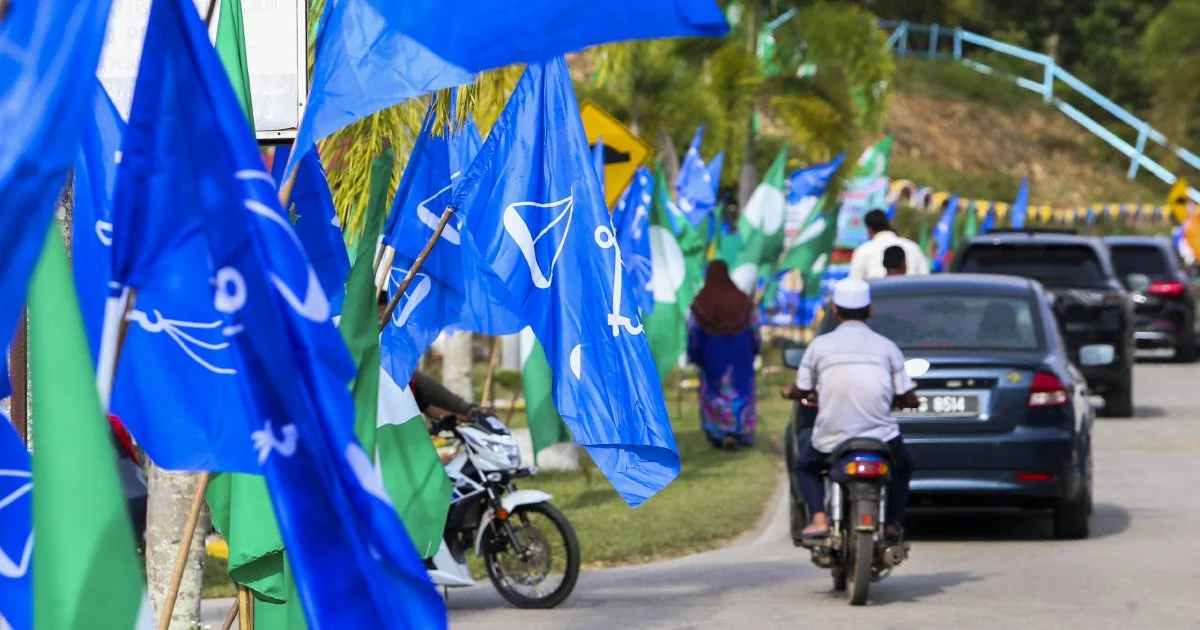
The opposition Islamic Party Malaysia (PAS) has thrown fresh light on the likely timing of the nation's next general election, with the party's vice-president Datuk Mohd Amar Nik Abdullah declaring that polling day will probably arrive between late October and November of this year. The timeline projection, made in his constituency of Kota Baru, adds to mounting speculation about when Prime Minister Anwar Ibrahim will call the nation to the ballot box, as Malaysia's political landscape enters a critical phase of government stability and coalition dynamics.
The anticipated window presents a significant development for political strategists across the peninsula, as parties prepare campaign machinery and ground operations ahead of what promises to be a consequential electoral contest. With the current parliamentary term running until the legally mandated dissolution or an earlier dissolution at the prime minister's discretion, the October-to-November timeframe aligns with broader speculation within political circles that Anwar's administration is solidifying its position before seeking fresh voter validation. Such elections typically follow patterns of government consolidation or shifting coalition mathematics that necessitate renewed electoral mandates.
PAS's positioning on the election timeline carries particular weight given the party's role as a significant political force in Malaysia's multiracial democracy. The Kelantan-based party, which won considerable parliamentary representation in the 2022 general election, has been engaged in coalition discussions and parliamentary negotiations that have indirectly shaped federal governance. For Malaysian businesses, investors and civil society observers, clarity on election timing helps facilitate planning cycles, as economic confidence and policy certainty often fluctuate around electoral calendars in Southeast Asia.
Historically, Malaysian general elections during the final quarter have presented logistical challenges and opportunities alike. October-November timing allows campaigns to extend into the crucial final weeks before polling, while the year-end holiday season can affect voter turnout in certain regions. The Peninsular monsoon season typically intensifies during this period, potentially complicating campaign activities in Kelantan, Terengganu, and other east-coast constituencies where heavy rainfall is common. These geographical factors have shaped previous election cycles and will likely influence strategic decisions by contesting parties.
The PAS leadership's public articulation of this timeline may also reflect calculations about the Anwar administration's political stability and coalition arithmetic. Since taking office, the Prime Minister has overseen a coalition spanning the Pakatan Harapan alliance and various component parties, with additional parliamentary support arrangements negotiated with different blocs. Electoral contests serve to renew mandates and reshape coalition possibilities, particularly when governments face potential instability or when political leaders believe favourable conditions exist for expanded representation. The confidence PAS officials display in naming a specific electoral window suggests conversations within political leadership about readiness and optimal timing.
Regional observers and foreign investors have been monitoring Malaysia's political trajectory closely, particularly given economic headwinds affecting Southeast Asia. Election timing influences foreign direct investment decisions, currency stability, and trade partner confidence in Malaysia's ability to execute sustained policy agendas. A clearer electoral calendar helps international actors prepare for potential transitions in ministerial portfolios, policy directions, or broader shifts in governance emphasis that elections typically precipitate. The October-November projection therefore carries implications extending beyond domestic political circles to the nation's integration within regional and global economic frameworks.
For voters themselves, the anticipated timing provides preparation horizons for exercising their franchise responsibly. Malaysian electoral bodies require substantial timeframes for voter roll verification, polling station establishment, recruitment and training of electoral personnel, and logistical arrangements across the nation's diverse terrain. A late-2024 election would allow the Election Commission sufficient runway from whenever the writ is issued, typically requiring several weeks before polling day arrives. This period tests administrative capacity and the electoral commission's institutional independence and competence in managing complex voting processes across federal territories, states, and constituencies of varying urbanisation levels.
Opposition parties, meanwhile, will view PAS's timeline projection as a signal to accelerate candidate selection, policy development, and fundraising activities. The Pakatan Rakyat coalition, comprising the Democratic Action Party, People's Justice Party, and National Trust Party, alongside regionally strong parties in Sabah and Sarawak, must solidify their electoral positioning against both the federal government and competing blocs. Timing clarity enables more effective allocation of campaign resources and messaging strategies, particularly in closely contested constituencies where narrow majorities determine parliamentary outcomes.
The broader implications of an October-November election extend to Malaysia's regional standing and federal-state relations. Several state governments operate under different political control than the federal administration, creating complex governance dynamics that elections can reshape. East Malaysian states of Sabah and Sarawak command substantial electoral weight and have demonstrated increasing assertiveness in federal negotiations. An early federal election cycle could trigger cascading discussions about state elections and territorial governance arrangements, particularly as certain state administrations approach their own electoral mandates or manage inter-community political dynamics critical to multi-ethnic stability.
Sector-specific planning also hinges on election timing confirmation. Agricultural stakeholders, manufacturing exporters, and financial services firms develop quarterly and annual strategic plans informed by political calendars. The construction and real estate sectors particularly monitor election cycles, as government policy shifts regarding land development approvals, infrastructure investment priorities, and foreign participation guidelines often accompany electoral transitions. Clarity on general election timing therefore facilitates more assured sector-level forecasting and capital deployment decisions across Malaysia's diverse economic landscape.
Looking ahead, political observers will scrutinise official announcements from the Prime Minister's office and the Election Commission for confirmation or adjustment of timeline expectations. While PAS's projection carries credibility given the party's parliamentary position and access to high-level political conversations, formal electoral processes require proper constitutional and administrative procedures. The coming months will likely witness intensifying political communications as parties position themselves advantageously and the government assesses optimal conditions for seeking voter renewal. For Malaysia's citizens, media, and international observers, the October-November window represents a probable but not yet finalised turning point in the nation's political trajectory.

