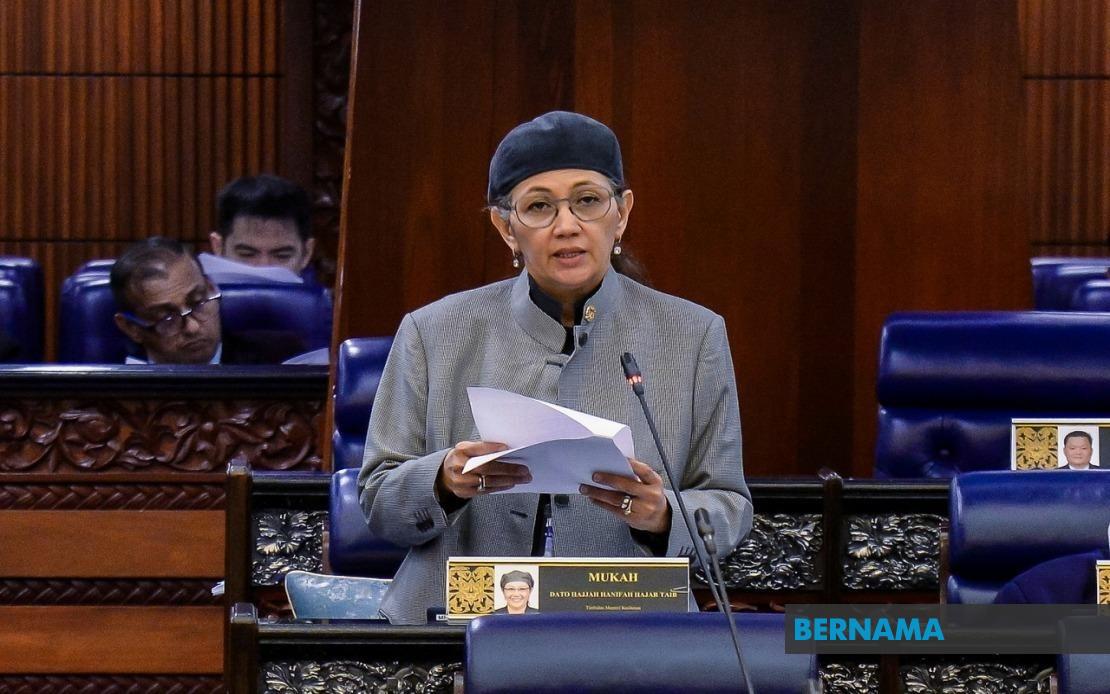
Malaysia's Ministry of Health is making a significant push to alleviate Sabah's longstanding shortage of medical professionals, with Deputy Health Minister Datuk Hanifah Hajar Taib announcing plans to deploy 560 permanent medical officer positions in the state starting October. The announcement came during a parliamentary session addressing concerns raised about the deteriorating healthcare workforce crisis affecting the East Malaysian state, particularly in its ability to provide adequate medical coverage across its population.
The initiative forms part of a broader national recruitment drive, with the Ministry undertaking a two-phase acceleration programme to fill 4,500 permanent medical officer positions nationwide. The first phase, which began in June 2026, saw 328 doctors offered permanent placements, though results highlighted a persistent challenge facing Malaysian healthcare recruitment. Of the 39 positions assigned to Sabah during this initial phase, only 20 doctors reported for duty, while 19 rejected their postings entirely, suggesting significant resistance to accepting positions in the state despite their permanence.
Anticipating similar patterns in the second phase, ministry officials have tempered expectations about actual recruitment success. Based on historical reporting rates hovering around 50 per cent, the deputy minister estimated that of the 560 positions offered, only approximately 280 doctors would actually commence employment. This projection, while representing progress, still falls short of addressing Sabah's documented shortfall of 256 medical officers, indicating that even successful implementation of current plans would leave gaps in the state's healthcare delivery system.
The staffing crisis in Sabah remains acute despite recent improvements. The state currently maintains 2,803 established medical officer positions, but the picture is fragmented: only 1,863 posts—representing 66.5 per cent—are filled by active personnel. An additional 366 officers, constituting 13.1 per cent of positions, are on study leave, further reducing available manpower. Most concerning, 570 posts remain entirely vacant, representing 20.3 per cent of the establishment. To manage this severe understaffing, the Ministry has deployed 680 contract doctors throughout Sabah, a temporary measure that underscores the structural inadequacy of permanent staffing.
Sabah's healthcare challenges reflect broader regional disparities in Malaysia's medical workforce distribution. According to the 2024 Health Indicators report, eight states, including Sabah, currently fall below the national average for doctor-to-population ratios, suggesting systemic imbalances in how medical professionals are distributed across the country. However, data also indicates gradual progress: Sabah recorded a 25.1 per cent improvement in its doctor-to-population ratio between 2020 and 2023, demonstrating that sustained efforts can yield measurable gains, even if the pace of change remains slower than the urgency of medical needs would warrant.
Addressing the documented reluctance of doctors to accept Sabah postings, the Health Ministry has implemented systemic changes designed to increase placement compliance. A reformed e-Placement system introduced in 2025 now requires contract medical officers transitioning to permanent status to select at least one placement option from Sabah, Sarawak, or Labuan. This mandatory placement preference mechanism represents an attempt to overcome individual preferences that previously led many qualified doctors to decline positions in East Malaysia, though effectiveness remains to be demonstrated.
The allocation quotas reveal the scale of disparities that the Ministry is attempting to address through this recruitment drive. Sarawak will receive 650 permanent medical officer placements, while Sabah receives 310 through the reformed e-Placement system—together totalling 960 positions that represent 42.7 per cent of the nationwide placement quota of 2,248. This concentration of placements in the two largest East Malaysian states reflects both the severity of workforce shortages in these regions and budgetary constraints that limit total recruitment nationwide. The geographic allocation strategy effectively prioritises Sabah and Sarawak as priority areas for addressing critical healthcare workforce gaps.
The persistent issue of doctors declining postings, particularly to Sabah, points to underlying factors that recruitment initiatives alone cannot resolve. These may include concerns about career progression opportunities, limited specialist training facilities, geographic remoteness from family networks, cost of living relative to salary scales, or perceived quality-of-life considerations. Any meaningful long-term solution to Sabah's doctor shortage would require addressing these structural deterrents alongside expanding the absolute number of positions offered. The current approach emphasises supply-side expansion—increasing posts and attempting to mandate placements—but leaves unresolved the demand-side factors that make doctors reluctant to accept these positions.
The parliamentary response to Sabah's healthcare crisis also reflects the political significance of healthcare provision in Malaysian federal politics. Kinabatangan MP Mohd Kurniawan Naim Moktar raised the issue, highlighting that rural and semi-rural constituencies in East Malaysia have increasingly used healthcare workforce adequacy as a barometer of government service delivery. For Kuala Lumpur-based ministry planners, addressing these grievances requires demonstrating tangible improvements in doctor availability, making recruitment announcements politically valuable regardless of actual reporting rates.
Looking forward, the 560-position allocation to Sabah represents an earnest attempt by federal health authorities to address documented shortages, though realistic expectations must account for historical non-compliance rates. If the anticipated 50 per cent reporting rate materialises, approximately 280 additional doctors would represent a meaningful boost to Sabah's healthcare capacity, particularly if distributed strategically across underserved districts. However, achieving rates above historical averages would require addressing the underlying reluctance to accept East Malaysian postings through complementary measures beyond mandatory placement provisions. Success will ultimately depend on whether the Ministry can sustain recruitment momentum through subsequent phases while simultaneously improving the conditions that make Sabah postings more attractive to Malaysia's medical workforce.

