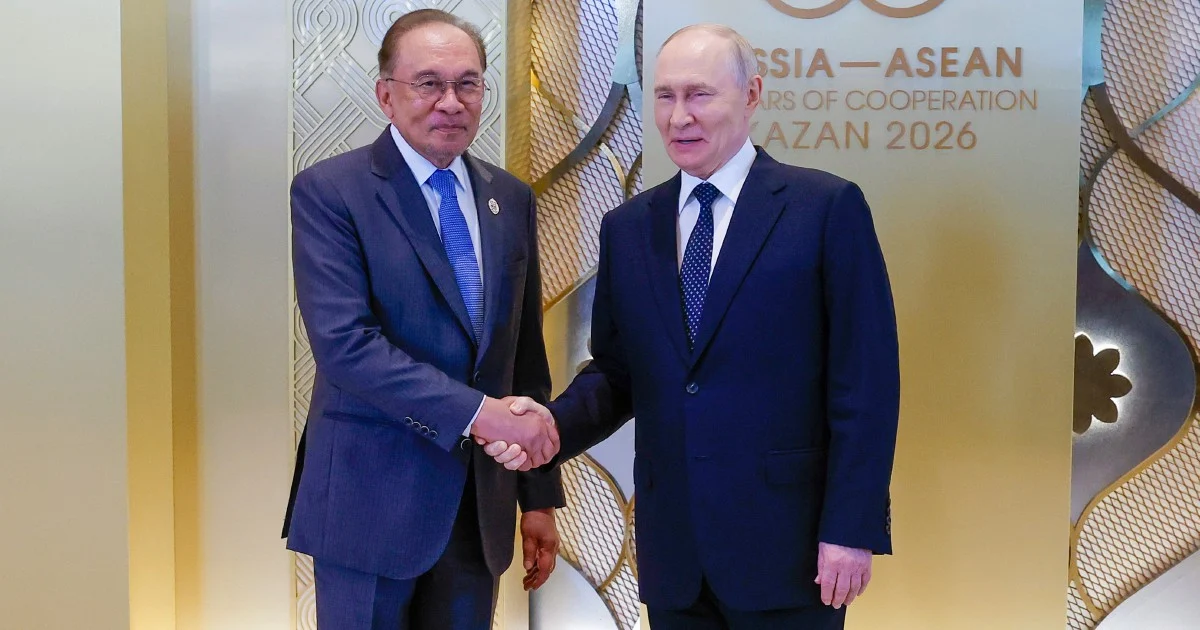
Prime Minister Datuk Seri Anwar Ibrahim's recent diplomatic missions to Russia and Turkmenistan represent a significant recalibration of Malaysia's energy strategy, reflecting Kuala Lumpur's determination to forge closer ties with non-traditional suppliers and reduce dependency on conventional energy sources. The visits, warmly received by BRICS International Malaysia, mark an important milestone in the country's ongoing efforts to secure stable, long-term energy supplies amid global market volatility and the energy transition underway across Asia.
Energy security has become a cornerstone concern for Malaysia as the nation balances rapid economic growth with the imperative to maintain affordable, reliable power supplies. With domestic oil and gas production declining over recent years and regional energy competition intensifying, Malaysian policymakers have recognised the need to cultivate relationships with major energy-producing nations capable of supplying crude oil, liquefied natural gas, and other hydrocarbons. Russia and Turkmenistan, both substantial producers with significant untapped reserves, represent strategic partners that can help insulate Malaysia from sudden price shocks or supply disruptions emanating from the Middle East or other volatile regions.
The Kremlin and Ashgabat have long sought to expand their influence in Asia-Pacific energy markets, and Malaysia's overtures present an opportunity for both capitals to deepen commercial and political engagement in a region where Western influence remains predominant. For Malaysia, engaging these nations offers immediate commercial benefits through preferential pricing or long-term supply contracts, while simultaneously elevating the country's geopolitical profile as a swing player capable of balancing relationships across competing power blocs. This approach aligns with Malaysia's broader foreign policy philosophy of strategic autonomy and non-alignment.
Oil and gas cooperation forms the tangible core of these diplomatic engagements. Malaysia, despite its proven reserves, faces production challenges stemming from ageing infrastructure, complex geology in deepwater fields, and competition for investment capital with other regional producers such as Vietnam and Indonesia. By establishing stronger commercial frameworks with Russian and Turkmen suppliers, Malaysian energy companies can pursue joint ventures, technology-sharing arrangements, and long-term purchasing agreements that enhance operational efficiency and procurement flexibility. Such partnerships may also facilitate Malaysian expertise in downstream processing and petrochemical manufacturing, areas where the country maintains competitive advantages.
Beyond hydrocarbons, these visits signal Malaysia's readiness to engage with Russia and Turkmenistan across a wider spectrum of economic interests. Both nations have expressed interest in Malaysian expertise in palm oil production, financial services, and manufacturing, creating opportunities for bilateral trade expansion and investment flows. Russian companies have shown particular interest in establishing manufacturing hubs in Malaysia to serve regional markets, while Turkmen entities see potential in Malaysian ports and logistics infrastructure for accessing Indian Ocean markets.
The timing of these missions carries additional significance given Malaysia's presidency of the Organisation of Islamic Cooperation and its role as a bridge between Muslim-majority nations and major global powers. By demonstrating capacity to cultivate relationships with non-Western energy suppliers, Anwar Ibrahim reinforces Malaysia's credentials as a pragmatic, non-ideological actor willing to advance national interests through principled engagement with diverse partners. This positioning enhances Malaysia's ability to mediate regional disputes and attract investment from powers seeking footholds in Southeast Asia.
Regional implications extend throughout Southeast Asia, where energy competition remains acute. Vietnam, Thailand, and Indonesia compete fiercely for foreign investment in energy sectors, and Malaysia's diplomatic overtures to Russia and Turkmenistan may prompt comparable moves by neighbouring states, further integrating Central Asian producers into Asian energy markets. Such developments could ultimately benefit consumers across the region through increased supply diversity and competitive pricing, though they may also complicate relationships between traditional Middle Eastern suppliers and Asian buyers.
The domestic political dimension warrants attention. Anwar Ibrahim has staked his credibility on delivering economic growth and improved living standards, making energy security a crucial component of his governance agenda. Demonstrating tangible progress in securing long-term energy supplies and fostering international partnerships serves to bolster his administration's legitimacy and appeal to voters concerned about economic stability. Success in these negotiations could translate into measurable benefits for Malaysian households through controlled energy pricing and industrial competitiveness.
Looking forward, the challenge for Malaysian policymakers lies in translating diplomatic gestures into concrete commercial arrangements. While goodwill exchanges and memoranda of understanding generate positive headlines, sustained economic benefits depend on actual investment flows, technology transfers, and operational partnerships. Russia's international isolation following its actions in Ukraine and Western sanctions regimes present real obstacles to seamless energy cooperation, requiring Malaysian negotiators to carefully navigate geopolitical sensitivities while protecting national economic interests.
The broader context involves Malaysia's participation in regional energy frameworks and global decarbonisation commitments. As the country transitions toward renewable energy and cleaner technologies, securing short-to-medium-term fossil fuel supplies through Russia and Turkmenistan must be balanced against long-term sustainability objectives. This requires sophisticated energy planning that acknowledges both immediate economic requirements and climate imperatives shaping investment decisions across Asia.

