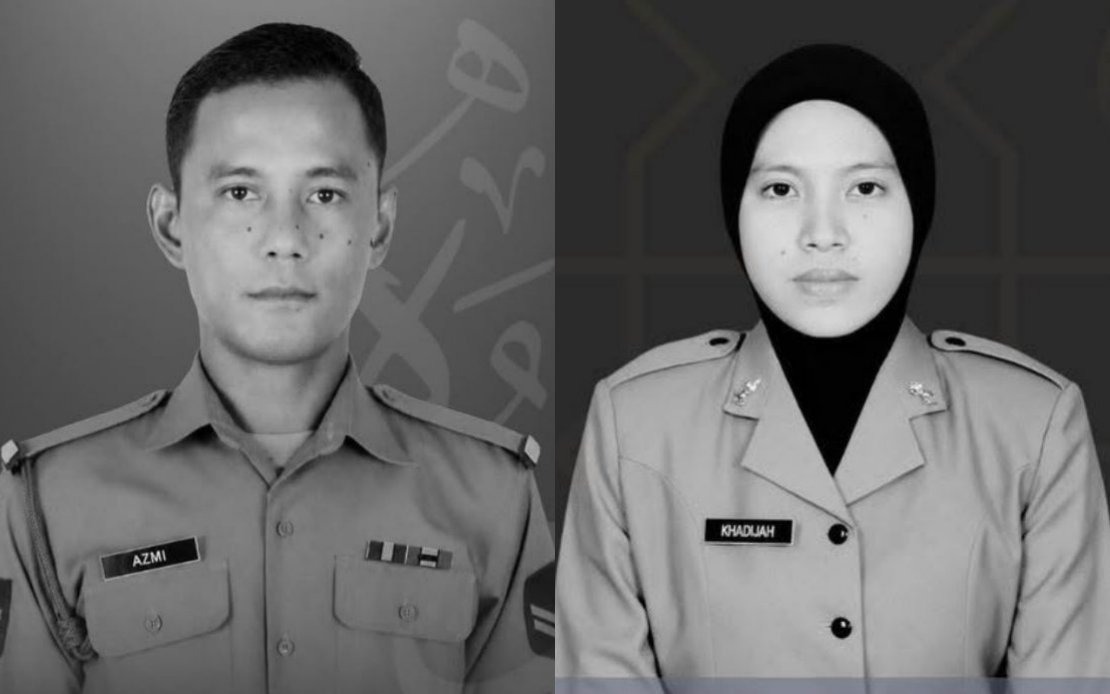
Two Malaysian military personnel have been confirmed dead following an explosion during grenade-throwing exercises at the Hobart Camp shooting range in Gurun, Kedah, on June 16. The casualties were identified as Corporal Norazmi Abu Bakar, serving with the 6th Battalion, Royal Malay Regiment, and Private Siti Khadijah Sungip from the 1st Squadron, Royal Army Engineers Regiment. Both soldiers succumbed to severe blast injuries sustained in the 10.57 am incident while being rushed to Sultan Abdul Halim Hospital in Sungai Petani, according to an official Malaysian Army statement released the same day.
The training exercise where the accident occurred formed part of the RAJD Combat Enhancement Training programme, conducted under the supervision of the 2nd Infantry Division. The soldiers were engaged in routine grenade-throwing drills, a standard component of combat readiness preparation that all military personnel must undergo throughout their service. The circumstances surrounding how the explosive device detonated prematurely remain under investigation, with authorities working to establish whether the incident stemmed from equipment malfunction, human error, or procedural failure. The remains of both personnel have been transferred to Sultanah Bahiyah Hospital in Alor Setar to undergo post-mortem examinations, a standard procedure required in all military fatalities.
Army Chief General Tan Sri Azhan Md Othman has initiated a full and immediate investigation into the incident, signalling the gravity with which military leadership regards the tragedy. Beyond the investigative response, Azhan has expressed profound sorrow over the loss of the two service members and has conveyed formal condolences to their families. The gesture reflects the Malaysian Armed Forces' acknowledgment of the sacrifice made by its personnel and the emotional toll such incidents inflict on military communities. Military families constitute an integral support system for personnel, and sudden line-of-duty deaths create ripples of loss that extend far beyond the individual soldier.
This incident raises critical questions about training safety standards within the Malaysian Army's combat preparation protocols. Grenade training, while essential for developing operational competency, carries inherent risks that demand stringent safety measures, comprehensive pre-exercise briefings, and rigorous adherence to established procedures. The timing and nature of the explosion suggest that despite existing protocols, a breakdown occurred at some point in the training exercise sequence. Understanding precisely where the safety chain fractured will be essential not only for determining accountability but also for preventing future occurrences.
The Malaysian defence establishment has committed to conducting a thorough review of all aspects of training safety, with any recommendations emerging from the investigation expected to reshape how such exercises are conducted going forward. This proactive stance demonstrates institutional learning and a willingness to adapt procedures based on operational experience. However, such commitments carry weight only if implemented systematically and monitored consistently across all training facilities and units. The investigation findings will likely be scrutinised by military watchdogs, personnel associations, and defence observers throughout Southeast Asia, as training accidents reflect broader questions about institutional competence and duty of care.
For the Malaysian military, which maintains extensive training schedules to sustain operational readiness across multiple domains, this incident underscores the tension between operational necessity and personnel safety. Combat training must push soldiers to develop real-world capabilities, yet the pursuit of readiness cannot justify accepting preventable casualties. The soldiers who died—Norazmi and Siti Khadijah—were engaged in legitimate military training when the accident occurred, making this a matter of profound institutional concern rather than a discrete incident to be filed away.
The implications extend to the broader defence community across Southeast Asia, where several nations conduct similar grenade and explosive-handling training. Military establishments throughout the region may review their own protocols in light of this accident, particularly if the investigation reveals systemic issues rather than isolated failures. Regional defence cooperation forums often discuss best practices for personnel safety, and Malaysian findings will likely inform inter-military discussions about training standards and accident prevention.
For the families of Corporal Norazmi Abu Bakar and Private Siti Khadijah Sungip, the immediate priority shifts from hope of recovery to processing extraordinary grief and navigating the aftermath of sudden loss. Military compensation schemes, psychological support services, and community recognition of the deceased's sacrifice become focal points during these periods. The Malaysian government typically provides formal recognition and financial assistance to families of personnel killed in service, though such measures offer limited solace when loss is sudden and preventable.
The investigation will consume significant institutional resources and attention in coming weeks, with findings potentially reshaping how the 2nd Infantry Division and other army formations conduct combat training. Equipment will be examined, procedural compliance reviewed, and personnel involved extensively debriefed to reconstruct the sequence of events. This investigative process, while necessary, also places scrutiny on commanders, training personnel, and safety officers who may face difficult questions about their roles. The investigation's conclusions will determine whether the tragedy resulted from systemic failures or extraordinary circumstances that defy prevention.
Ultimately, this incident serves as a stark reminder that military training, despite its routine nature and established protocols, carries real consequences. The Malaysian Army's commitment to investigating thoroughly and improving safety systems demonstrates institutional responsibility, yet such promises gain credibility only through visible implementation. Preventing future such tragedies requires not only technical investigations but also sustained cultural commitment within the military establishment to treating personnel safety as a non-negotiable value rather than an administrative consideration alongside operational concerns.

