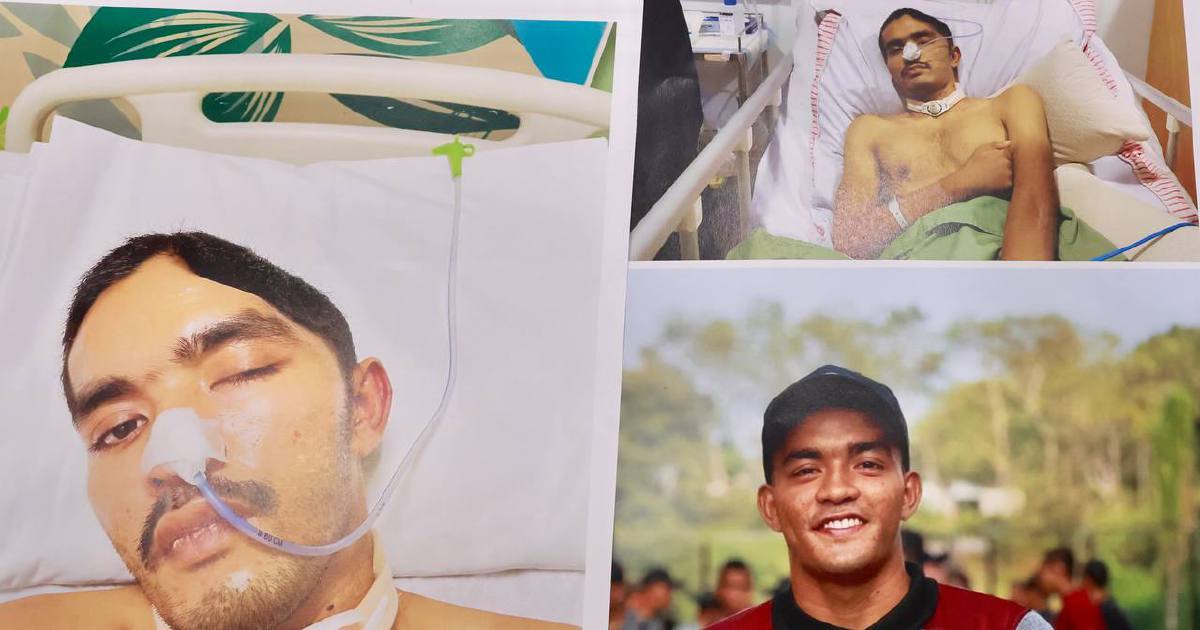
The Malaysian Army announced the completion of its internal inquiry into an incident that resulted in substantial injuries to a commando stationed at one of its bases in Johor during March. The conclusion of the probe marks a significant development in what has become a closely monitored case within military circles, with the armed forces now moving forward with disciplinary action against those found to bear responsibility.
The investigation process has been conducted through established military protocols designed to examine incidents occurring at defence installations across the country. Given the severity of the commando's injuries and the circumstances surrounding the event at the Johor camp, the thoroughness of the inquiry was deemed essential to determine accountability and prevent future occurrences. The completion of the probe indicates that all relevant evidence has been gathered and analysed by the investigative team.
As a direct consequence of the investigation's findings, the army is proceeding with the dismissal of personnel involved in the matter. These administrative actions represent the military's commitment to maintaining standards of conduct and discipline within its ranks, particularly concerning the safety and welfare of its personnel. The implementation of such measures underscores the seriousness with which the armed forces treats incidents that result in injury to its soldiers.
The incident has broader implications for military operations across Malaysia's defence infrastructure. Questions about workplace safety protocols at armed forces installations have gained prominence following this event, particularly regarding how military camps implement and enforce procedures meant to protect servicemembers from harm. The investigation's outcome is expected to inform potential revisions to existing safety frameworks and training regimens.
For Malaysia's military establishment, ensuring the wellbeing of personnel during both routine and operational activities remains a fundamental responsibility. The Johor-based camp where the incident occurred is among several strategic military locations supporting the nation's defence capabilities. The incident and subsequent investigation have prompted broader reflection within the armed forces about identifying and mitigating risks that pose danger to soldiers stationed at various installations nationwide.
The commando's recovery from the serious injuries sustained during the March incident continues as a parallel concern to the investigation's conclusion. Military medical facilities and support services have been involved in managing the servicemember's rehabilitation and long-term care requirements. This aspect of the situation reflects the armed forces' obligation to provide comprehensive support to injured personnel.
The dismissals resulting from the investigation represent institutional accountability in action within Malaysia's military structure. Each personnel decision carries implications not only for those involved but also signals to the broader defence establishment that violations of safety standards and conduct codes will result in concrete consequences. This approach aims to reinforce a culture of responsibility and vigilance across all military units.
For civilian observers and defence analysts, the completion of this probe and the subsequent personnel actions offer insight into how Malaysia's armed forces handle internal accountability when incidents occur. Transparency in such processes, insofar as security considerations permit, builds public confidence in the military's capacity for self-regulation and commitment to protecting those who serve in uniform.
The progression from incident to investigation to disciplinary measures represents a full cycle in the military's internal governance process. However, the broader context includes ongoing assessments of whether systemic issues contributed to the March event or whether it resulted from isolated lapses in judgment or procedure by individuals. Understanding these distinctions shapes how the armed forces refines its approach to safety and discipline moving forward.
Looking ahead, the army's handling of this case may influence how similar incidents are investigated and adjudicated across the defence establishment. The precedent set through this investigation and the resulting personnel decisions could inform protocols at other installations and contribute to evolving standards for accountability within Malaysia's military structures. For regional observers monitoring Southeast Asian military developments, such matters reflect broader institutional trends within the nation's armed forces regarding internal discipline and operational oversight.

