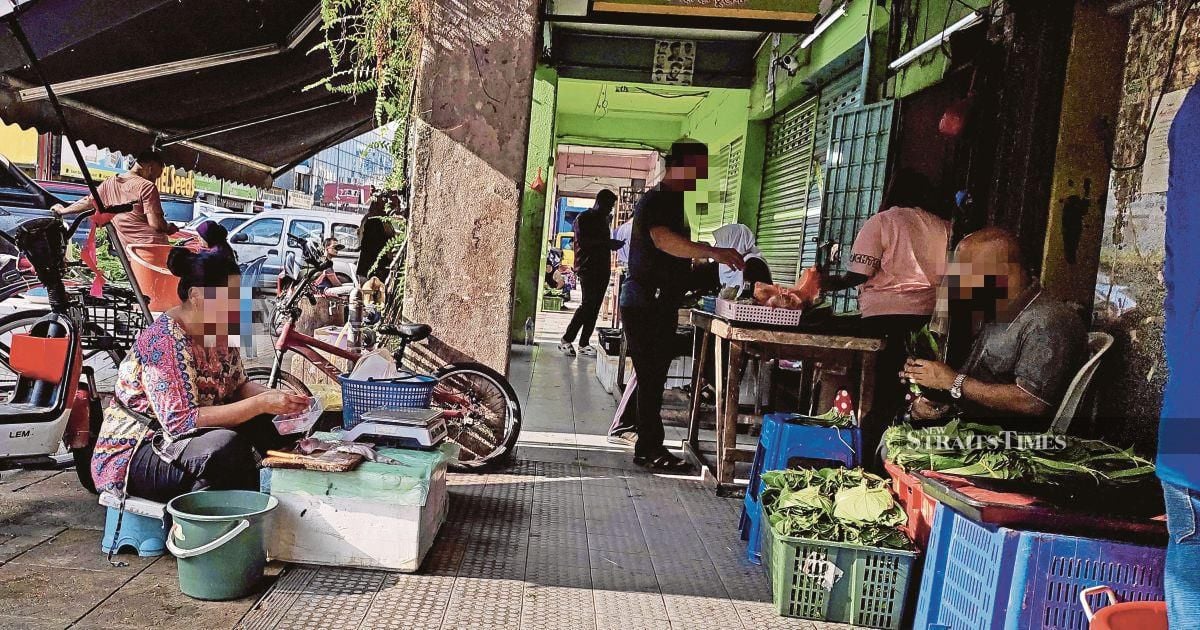
Malaysia's government has issued a fresh appeal to the public to demonstrate compassion while managing the complexities surrounding the Rohingya population within its borders, as mounting community sentiment and heightened media coverage intensify scrutiny of the long-standing humanitarian crisis. The statement from Putrajaya reflects growing tensions between Malaysia's moral obligations as a Southeast Asian nation and the practical challenges of managing a refugee population without official legal status, issues that continue to dominate public discourse and political debate across the country.
The ministerial statement underscores a fundamental challenge facing Malaysian policymakers: the need to maintain respect for human dignity while simultaneously addressing legitimate governance and security concerns that resonate with the domestic population. This delicate equilibrium has proven increasingly difficult to maintain as various stakeholders—from civil society organisations to religious groups and political figures—have weighed in on how the nation should approach its responsibilities toward the stateless community. The government's emphasis on balancing these competing interests suggests recognition that purely security-focused approaches risk alienating international observers and undermining Malaysia's standing as a regional leader on humanitarian matters.
The Rohingya presence in Malaysia represents one of Southeast Asia's most intractable humanitarian crises. Since the military crackdowns in Myanmar's Rakhine State intensified, Malaysia has become host to hundreds of thousands of Rohingya individuals, many of whom lack formal documentation or legal protections. Unlike countries with established refugee resettlement programmes, Malaysia has not signed the 1951 Refugee Convention, meaning the Rohingya exist in a precarious legal limbo where they cannot work officially, access public services readily, or plan for permanent settlement. This ambiguous status has created vulnerability to exploitation while simultaneously generating anxieties among Malaysian citizens concerned about immigration pressures and resource allocation.
Public sentiment around the Rohingya question has become increasingly polarised in recent years. Social media platforms amplify both compassionate narratives highlighting the community's suffering and security-focused arguments questioning Malaysia's capacity to absorb additional vulnerable populations. Religious leaders have invoked Islamic principles of mercy and protection for persecuted Muslims, while some political commentators have emphasised economic strains on public infrastructure in densely populated urban areas where Rohingya communities concentrate. This fractious environment creates political risk for any government attempting comprehensive solutions, as different constituencies demand incompatible outcomes.
The minister's intervention appears designed to reframe the narrative away from zero-sum positioning toward a more nuanced recognition that Malaysia can simultaneously uphold humanitarian principles and maintain orderly governance structures. This framing acknowledges that compassion need not mean open-ended acceptance of all asylum claims, nor does legal stringency require abandonment of basic human dignity protections. Such messaging carries particular resonance in Malaysia's multicultural context, where religious and ethnic diversity requires sustained attention to fairness and inclusion principles that extend beyond specific communities.
Median outlets have intensified coverage of Rohingya-related issues, examining everything from human trafficking networks exploiting refugees to success stories of education and livelihood initiatives. This expanded media attention has simultaneously raised public awareness and contributed to polarisation, as different outlets emphasise different aspects of the crisis. The government's recent statement appears partly responsive to concerns that sensationalist coverage or politically motivated framing could undermine social cohesion around immigration policy. By articulating an explicitly balanced position, officials seek to establish parameters for public discourse that remain grounded in shared values rather than partisan positioning.
Malaysia's approach contrasts notably with other nations in the region handling refugee populations. Indonesia, with its own significant Rohingya presence, has similarly struggled to balance humanitarian responsibilities with domestic resource constraints. Thailand's approach has emphasised containment and military cooperation, while Bangladesh has borne extraordinary burdens hosting the largest Rohingya camps. Malaysia's middle path—acknowledging responsibilities without endorsing permanent settlement—reflects particular geographic and political circumstances. The country's proximity to Myanmar, its position as a regional economic hub, and its historical identity as a nation built on multicultural coexistence all inform how policymakers navigate this challenge.
The emphasis on humanity in official messaging also reflects Malaysia's participation in international forums where refugee and humanitarian rights carry significant weight. ASEAN mechanisms, while respecting state sovereignty, increasingly feature humanitarian concerns in regional discussions. Malaysia's willingness to articulate compassionate principles helps maintain its diplomatic positioning within broader Southeast Asian conversations about shared responsibilities for displaced populations. This diplomatic dimension adds complexity beyond domestic political calculations, requiring balance between international expectations and domestic political reality.
Legal frameworks governing the Rohingya situation remain underdeveloped, creating implementation challenges when officials attempt to operationalise principles of balanced compassion. Immigration law, employment regulations, and security protocols were not designed to accommodate stateless populations with indefinite residence. Updating these frameworks requires legislative action that must navigate between humanitarian advocates pressing for expanded protections and security-focused voices demanding restrictive measures. The government's rhetorical emphasis on balance may presage concrete policy proposals addressing these institutional gaps.
Civil society organisations working directly with Rohingya communities have broadly welcomed ministerial statements acknowledging humanitarian obligations, though many argue that compassionate rhetoric must translate into tangible improvements in education access, healthcare provision, and economic opportunity. The gap between sympathetic governmental messaging and actual resource allocation for refugee services remains a source of frustration for humanitarian advocates. Meaningful implementation of balanced approaches requires sustained political commitment and budget allocation beyond occasional ministerial pronouncements.
Looking forward, Malaysia faces sustained pressure to develop comprehensive frameworks addressing Rohingya realities. Regional diplomatic initiatives aimed at promoting Myanmar's accountability for alleged atrocities continue, and international actors increasingly scrutinise host countries' treatment of displaced communities. Malaysia's emphasis on balancing humanity with legal frameworks suggests official recognition that neither pure humanitarianism nor strict enforcement alone offers sustainable pathways forward. Developing policies reflecting this balance will likely define Malaysia's humanitarian legacy and regional reputation throughout the coming years.