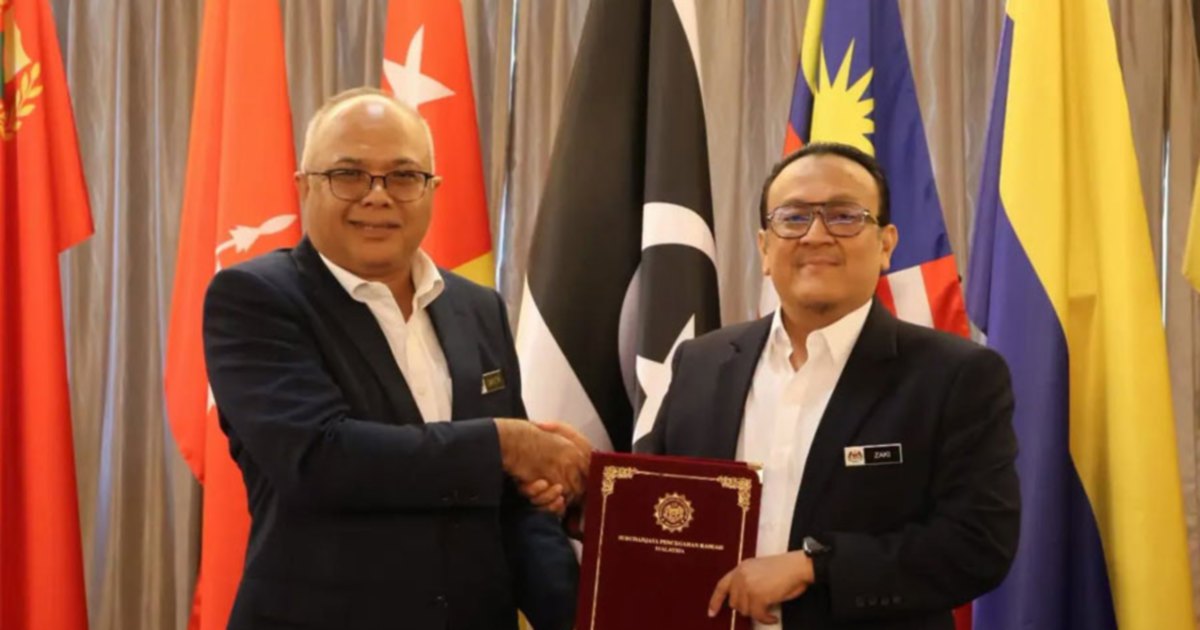
The Malaysian Anti-Corruption Commission has put forward a comprehensive reform package comprising six governance enhancements designed to tighten controls within the Cooking Oil Price Stabilisation Scheme, marking a fresh effort to curb leakages that have long plagued Malaysia's heavily subsidised cooking oil programme.
The move reflects mounting concerns about systemic vulnerabilities in how the government distributes subsidised cooking oil to retailers and consumers. Leakages—whether through smuggling, black market sales, or diversion of subsidies—have periodically drained substantial public resources, diverting intended consumer benefits toward illicit profit-taking. By addressing governance gaps, the MACC's recommendations aim to restore the scheme's integrity and ensure subsidies reach intended beneficiaries.
Cooking oil subsidies form a cornerstone of Malaysia's social safety net, helping shield ordinary households and small retailers from commodity price volatility in global markets. However, the scheme's generosity has occasionally created perverse incentives. Traders operating across borders have exploited price differentials between Malaysia and neighbouring countries, channelling subsidised oil across porous frontiers. Within domestic supply chains, the lack of robust monitoring systems has sometimes enabled unscrupulous operators to purchase oil at subsidised rates and resell it at market prices, pocketing the spread. Such diversion undermines both fiscal targets and the scheme's equity objectives.
The MACC's six-point proposal strikes at the structural weaknesses underpinning these abuses. The reforms are intended to enhance transparency and accountability throughout the procurement and distribution pipeline, from initial government purchases through to final retail sale. Specific mechanisms likely include stronger verification systems for eligible recipients, tighter tracking of oil volumes across the supply network, and more rigorous oversight of intermediaries who handle the product between refineries and shop counters. By creating redundant checks and cross-verification points, the scheme becomes far more resistant to manipulation.
The anti-corruption commission's intervention underscores a broader recognition that subsidy schemes, while economically and socially important, require continuous institutional refinement. Without active management and regular auditing, even well-intentioned programmes accumulate inefficiencies and become targets for predatory behaviour. Malaysia's experience with fuel subsidies in prior decades illustrates this dynamic starkly: as budgetary costs mounted and leakages spiralled, the government eventually shifted toward targeted assistance models rather than universal price caps. The cooking oil initiative appears poised for a similar reckoning—not necessarily abandonment, but smarter administration.
Regional context adds weight to these domestic reform efforts. Across Southeast Asia, subsidy programmes face remarkably similar pressures. Indonesia, Thailand, and Vietnam all contend with comparable challenges in controlling oil and fuel subsidy leakages, smuggling, and the fiscal drag these schemes impose. Malaysia's willingness to undertake systematic governance review may offer lessons applicable elsewhere in the region, particularly as neighbouring countries grapple with their own subsidy sustainability questions.
Implementing the MACC's recommendations will require coordination between multiple agencies. The Agriculture and Food Industries Ministry oversees the scheme operationally, while Petronas manages oil supply, and customs and enforcement bodies must patrol borders and domestic markets. Successful reform hinges on these entities working in concert, pooling real-time data, and responding swiftly to suspicious patterns. Technology will likely play an expanding role—digital tracking systems, blockchain-enabled verification, and data analytics can vastly amplify human oversight capacity without proportional cost increases.
The timing of these proposals matters. Malaysia's fiscal situation remains under pressure from various spending commitments and revenue constraints. Every ringgit saved through subsidy leakage reduction can be redirected toward critical areas such as education, healthcare, or infrastructure. Conversely, a cooking oil subsidy system perceived as corrupt or inefficient risks eroding public confidence in government institutions and may eventually trigger demands to slash the subsidy altogether, hurting vulnerable consumers. The MACC's approach attempts to thread this needle—preserving social protection while restoring system integrity.
Political will represents perhaps the most critical factor determining whether these reforms take root. Previous anticorruption drives have occasionally faltered when implementation proved inconvenient for connected interests or when bureaucratic inertia overwhelmed initial enthusiasm. For the six-point package to succeed, political leadership must visibly back enforcement, provide adequate resources, and resist pressure from stakeholders benefiting from the status quo.
Looking ahead, the effectiveness of the MACC's proposals will be measurable through concrete metrics: reduction in unaccounted cooking oil volumes, lower rates of cross-border smuggling, fewer successful subsidy diversion schemes detected, and improved fiscal efficiency of the programme. Market prices for cooking oil will also offer indirect signals—if the subsidy is tighter and more efficient, pressure on government budgets should ease, potentially creating space for modest price adjustments that maintain affordability while reducing distortions.
The MACC's intervention represents a mature institutional response to a persistent governance challenge. Rather than advocating wholesale dismantling of subsidies, the commission has acknowledged their social value while targeting the structural defects that allow waste. This balanced approach—reform rather than radical change—aligns with how mature governance systems address entrenched policy questions. For Malaysia's cooking oil programme and its beneficiaries, the coming months will reveal whether these carefully crafted governance improvements can finally transform ambition into lasting institutional change.

