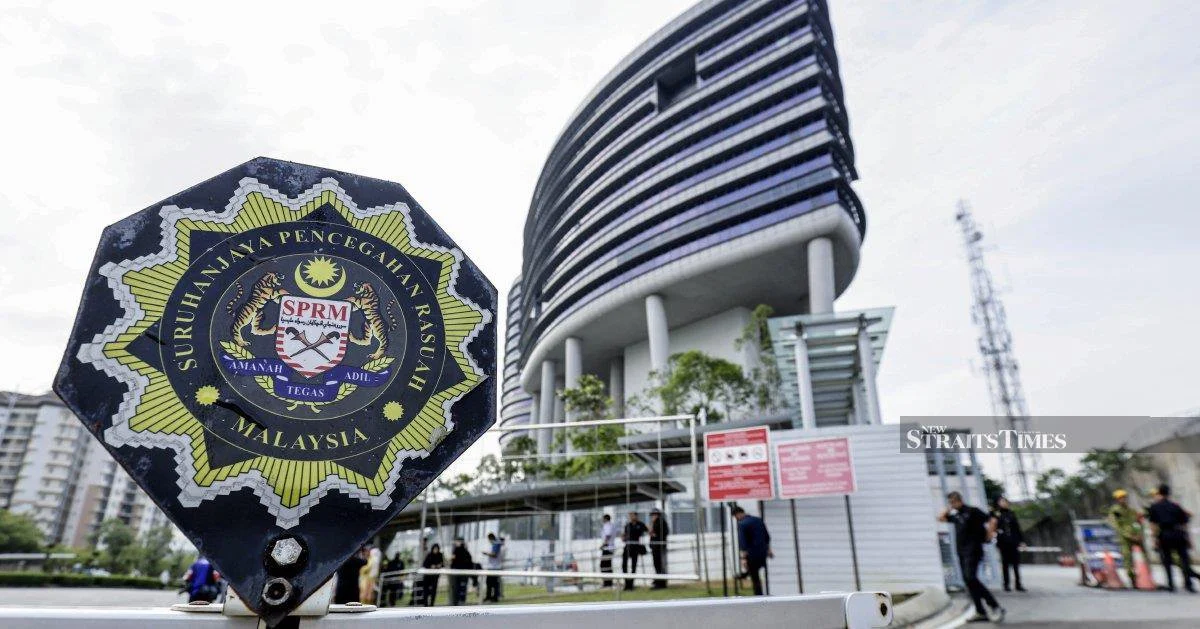
The Malaysian Anti-Corruption Commission (MACC) has launched a comprehensive examination of the governance framework and operational procedures underpinning the Daya Kerjaya 2.0 employment incentive scheme, with investigators targeting systemic vulnerabilities that may have facilitated fraudulent activity. The inquiry forms part of a broader investigation into suspected false claims estimated at RM9 million, signalling that the agency believes structural deficiencies contributed to the scheme's compromised integrity.
Daya Kerjaya 2.0 was designed as a flagship initiative to support job creation and worker placement across Malaysia's formal and informal sectors. The programme operates by providing financial incentives to employers and training subsidies to job-seekers, aiming to reduce unemployment while channelling public funds into economic stimulus measures. However, the emergence of fraud allegations suggests that implementation safeguards fell short of adequately protecting public resources, prompting regulatory scrutiny at the highest level.
The MACC's decision to examine structural weaknesses rather than focus solely on individual misconduct reflects a sophisticated understanding of how institutional design can either enable or prevent corruption. When governance frameworks lack robust oversight mechanisms, multiple layers of procedural verification, or transparent accountability channels, they become vulnerable to exploitation by actors seeking illicit gain. The inquiry will likely assess whether those managing the scheme had sufficient training, whether documentation and verification protocols were sufficiently rigorous, and whether adequate separation of duties existed between approval, disbursement, and audit functions.
For Malaysian policymakers and programme administrators overseeing similar initiatives, the Daya Kerjaya 2.0 investigation offers instructive lessons about the hidden costs of weak institutional design. Employment incentive schemes inherently involve large transfers of public money to private entities and individuals, creating considerable opportunity for misrepresentation. Providers can fabricate job placements, inflate training participation figures, or manipulate beneficiary credentials to maximise subsidy claims. Without granular documentation, real-time tracking systems, and independent verification mechanisms, such schemes become venues for systematic leakage of public funds.
The RM9 million fraud allegation, while substantial, may represent only a fraction of actual losses if claims processing occurred without adequate checks. Malaysian civil service capacity constraints often mean that verification teams operate under resource limitations, processing large claim volumes with insufficient time for rigorous scrutiny. This reality creates structural vulnerability: administrators face pressure to approve claims quickly to maintain programme momentum and meet performance targets, inadvertently prioritising speed over verification accuracy. The MACC investigation will likely examine whether such institutional pressures influenced decision-making patterns.
Regional employment schemes operate under similar pressures across Southeast Asia, making Malaysia's investigation relevant across the bloc. Indonesia's pre-employment training programme, Thailand's employment zones, and Singapore's various job-matching initiatives all share similar structural risks when governance oversight weakens. The detailed findings from the MACC inquiry could establish precedent for how anti-corruption bodies across the region approach sectoral investigations into social and economic programmes, shifting focus from prosecuting individual fraudsters toward remediating systemic vulnerabilities.
The investigation also carries implications for Malaysia's broader credentials as an anti-corruption jurisdiction. International investors and development partners assess governance environments partly through how agencies respond to programme fraud. A thorough examination of institutional weaknesses, coupled with transparent recommendations for strengthening controls, would reinforce Malaysia's commitment to tackling corruption through institutional reform rather than relying exclusively on punitive enforcement. Conversely, if the inquiry focuses narrowly on individual wrongdoing while ignoring systemic failures, it may signal that the country's approach to corruption prevention remains superficial.
Future iterations of employment incentive schemes will likely incorporate learnings from this investigation. Implementation teams will probably require enhanced documentation standards, mandatory digital verification systems linked to employer records and tax filings, staged disbursement mechanisms that tie payments to independently verified outcomes, and clearer segregation between claim assessment and approval authorities. These measures would increase administrative complexity but would substantially reduce fraud opportunity, protecting public investment and programme credibility.
The timing of the MACC investigation also reflects Malaysia's broader fiscal environment. As government revenue faces constraints from economic uncertainties and the need to service pandemic-related expenditures, wastage of public resources through fraudulent claims becomes increasingly scrutinised. Every ringgit misappropriated through Daya Kerjaya 2.0 represents funds unavailable for other priority areas, amplifying political pressure on oversight bodies to demonstrate active stewardship of public finances. This context explains why the MACC is examining the case with sufficient seriousness to warrant a comprehensive governance review.
Stakeholder responses to the MACC investigation will shape its trajectory. Employer representatives, training providers, and job-seeker advocacy groups will monitor whether the inquiry remains balanced, targeting genuine governance weaknesses without unfairly characterising legitimate programme participation as suspicious. Programme administrators will watch for recommendations that strengthen controls without creating bureaucratic barriers that discourage quality employers from participating. The public will judge whether outcomes demonstrate that public money is genuinely protected and corruption risk meaningfully reduced.
The broader institutional takeaway from this investigation extends beyond a single employment scheme. It underscores that Malaysia's anti-corruption infrastructure increasingly moves beyond traditional bribery and embezzlement cases toward scrutinising how programme design itself either facilitates or prevents fraud. This evolution reflects international best practice, where corruption prevention becomes embedded in initial policy architecture rather than addressed reactively after misconduct surfaces. For Malaysia's development community and civil service, that shift represents a critical maturation of governance thinking.

