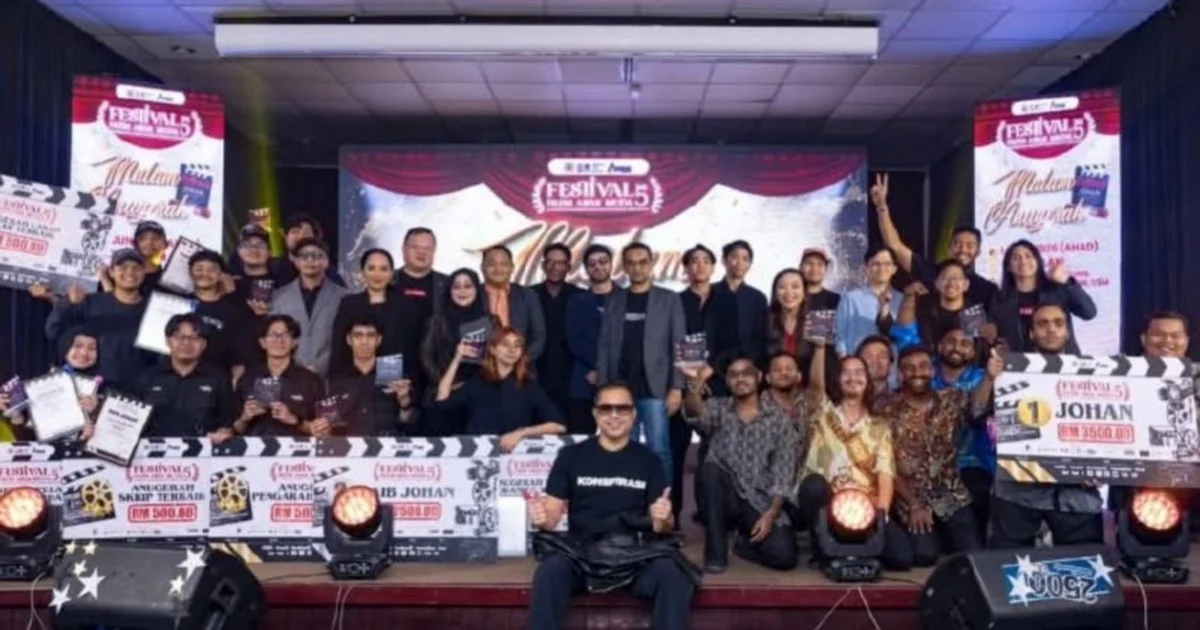
The Malaysian Anti-Corruption Commission has identified youth cinema as a potent vehicle for transmitting anti-corruption values to a demographic traditionally difficult to engage through conventional enforcement messaging. By collaborating on the 5th Youth Film Festival at Universiti Sains Malaysia in Penang, the MACC is pivoting toward cultural and artistic channels to normalize integrity as a defining characteristic of Malaysian citizenship, particularly among university-age cohorts who will shape institutional conduct over the coming decades.
This strategic pivot reflects a broader maturation in anti-corruption strategy globally. Rather than relying exclusively on punitive frameworks and legal deterrence—which primarily address behavior after violations occur—the MACC recognizes that embedding ethical consciousness during formative years creates preventive barriers against corruption at its source. Film festivals provide an ideal cultural venue because they command genuine engagement, foster peer-to-peer discussion, and allow complex ethical dilemmas to be explored through narrative nuance rather than bureaucratic decree. Young audiences absorb messages more readily when embedded within compelling storytelling than through institutional pronouncements.
The partnership with USM specifically targets Penang's substantial student population, a region that has experienced notable attention to governance standards in recent years. By positioning the festival as a vehicle for integrity education rather than mere entertainment, the MACC acknowledges that millennials and Generation Z audiences demand authenticity and relevance in messaging. These cohorts are simultaneously more cynical about institutional authority and more responsive to peer influence and cultural narratives that reflect their own values and aspirations.
Film as a medium carries particular advantages for anti-corruption outreach. Documentary formats can expose systemic vulnerabilities and real-world consequences of corrupt conduct in ways that resonate emotionally. Fictional narratives allow young viewers to witness protagonists facing ethical crossroads and experiencing the tangible outcomes of their choices—a pedagogical approach far more memorable than policy documents or classroom lectures. Competitions within the festival framework also incentivize young filmmakers themselves to engage intellectually with integrity themes, turning potential audiences into creative participants who internalize messages through production processes.
The timing of this initiative aligns with Malaysia's continued navigation of its corruption recovery trajectory. Recent years have witnessed high-profile prosecutions and institutional reforms aimed at restoring public confidence in governance. Younger Malaysians who came of age during periods of significant institutional controversy represent a critical audience: they can either perpetuate cynicism about governance or become champions of reformed institutional cultures if convinced that change is genuine and sustainable. The MACC's investment in reaching this group through cultural channels suggests recognition that long-term anti-corruption success requires intergenerational attitudinal shifts, not merely structural adjustments.
Universiti Sains Malaysia's involvement lends academic credibility and access to a concentrated population of emerging professionals and leaders. Universities function as incubators for future civil servants, corporate executives, journalists, and political actors. Reaching these individuals before they enter professional environments where they encounter corruption temptations creates preventive advantages. The festival venue also facilitates peer learning and social reinforcement—attending alongside hundreds of similarly-aged students amplifies the psychological impact of integrity-focused narratives compared to isolated individual consumption.
The collaboration illustrates how regional institutions across Southeast Asia increasingly recognize that anti-corruption work extends beyond traditional enforcement domains into cultural production and youth engagement. Thailand, Indonesia, and the Philippines have similarly experimented with arts-based anti-corruption initiatives, suggesting a regional consensus that institutional credibility recovery requires sustained messaging through multiple channels. Filmmaking competitions particularly appeal to younger demographics skeptical of top-down institutional authority, as they allow youth to author narratives about corruption rather than passively receiving them.
Further implications for Malaysian governance include potential ripple effects into corporate sector culture, where many festival participants will eventually work. If the festival successfully cultivates integrity consciousness among university cohorts, this generation's subsequent career trajectories—whether in public administration, private enterprise, or civil society—could reflect elevated expectations for ethical conduct among colleagues and subordinates. Cultural change typically precedes institutional transformation, suggesting that investment in festival-level initiatives may yield organizational integrity improvements measurable only in subsequent decades.
The MACC's creative arts strategy also addresses a persistent challenge in anti-corruption work: the difficulty of reaching audiences who don't perceive corruption as directly relevant to their lives. By framing integrity through film narratives that explore personal moral dilemmas, workplace pressures, and systemic incentives, the festival helps young Malaysians understand how corruption emerges through seemingly minor compromises rather than cartoonishly villainous intentions. This nuanced portrayal may prove more persuasive than binary good-versus-evil framings, particularly for sophisticated audiences familiar with moral complexity.
The 5th Youth Film Festival ultimately represents MACC's acknowledgment that sustainable anti-corruption progress requires investing in consciousness formation among emerging generations. Rather than waiting for young Malaysians to encounter corruption within professional environments and then attempting to deter misconduct through enforcement, the commission is attempting to cultivate ethical frameworks proactively through cultural engagement. Whether this festival produces measurable changes in subsequent professional conduct remains to be seen, but the conceptual approach represents an encouraging evolution toward preventive, culturally-sensitive anti-corruption methodology aligned with how young people actually form and internalize values.