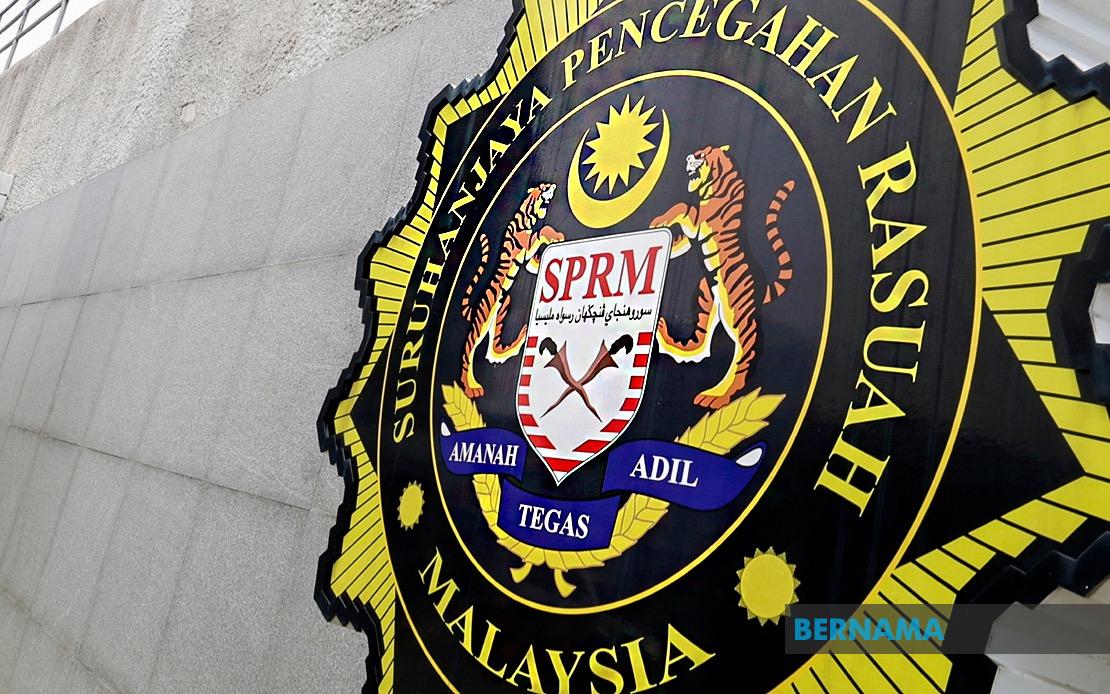
The Malaysian Anti-Corruption Commission has escalated its fight against institutional graft by detaining 13 suspects accused of orchestrating a systematic bribery operation worth approximately RM2.5 million. The operation, which targeted a government agency in northern Malaysia, represents another significant crackdown on procurement fraud that has long plagued the country's public sector management systems. Among those in custody are a sitting director and former director of the implicated agency, underlining how corruption can take root at the highest administrative levels of government institutions.
According to the MACC's Strategic Communications Division, the alleged scheme centred on a coordinated effort to channel fraudulent payments to government officials in exchange for directing lucrative contracts toward select companies. The structure of the scam reveals a deliberate cartelisation strategy, whereby contractors were systematically pressured into paying kickbacks ranging from 10 to 15 per cent of contract values to intermediaries, who subsequently distributed these funds to the detained government officials. This arrangement essentially created a controlled market where only cooperating companies could access government work, while legitimate competitors were shut out of the bidding process.
The detainees comprise a diverse cross-section of the alleged conspiracy. Eight of the 13 are civil servants embedded within the government structure, while the remaining five consist of private sector operators and company proprietors who allegedly participated in or benefited from the scheme. In terms of demographics, the suspects range in age from 30 to their 60s, suggesting this corruption network spanned multiple professional generations. The mixed composition reflects how such cartels typically require both insider access and external business networks to function effectively—a reality that complicates enforcement efforts.
The timeline of alleged activity offers insight into how institutional corruption can develop incrementally. Preliminary investigation findings indicate the scheme operated between 2024 and 2026, suggesting it had been running relatively recently and possibly was still ongoing when authorities intervened. This relatively compressed timeframe, if confirmed through further inquiry, would indicate rapid acceleration of illicit activities, potentially emboldened by previous enforcement gaps or perceived weak oversight mechanisms at the affected agency.
The arrest operation itself demonstrated coordinated enforcement action across multiple jurisdictions. On the evening of the previous Monday, the MACC detained all 13 suspects between 8 pm and 11 pm after they provided statements at the agency's Perak office. The broad geographic spread of subsequent detentions reflects how corruption investigations increasingly require simultaneous action across state boundaries to prevent suspects from coordinating their responses or destroying evidence.
Magistrate Anis Hanini Abdullah approved differentiated remand periods reflecting the perceived flight risk and investigation requirements for different clusters of suspects. Three individuals—two civil servants and a company director—received two-day detention orders, expiring the following day. The remaining ten suspects faced substantially longer five-day remand periods extending through 20 June, granting investigators additional time to interrogate these individuals and develop their case file.
The broader enforcement initiative, codenamed Operation Drain, extended well beyond the initial arrests. The MACC Investigation Division launched this operation simultaneously across Kuala Lumpur, Selangor, Pahang and Perak, reflecting the cartel's geographic footprint. Investigators executed raids at 25 separate locations encompassing residential properties, corporate offices and government buildings, reflecting the distributed nature of the suspected corruption network. These simultaneous strikes prevented coordinated destruction of evidence and ensured suspect interviews could proceed without external interference.
Asset recovery efforts accompanying the raids proved substantial. Authorities seized approximately RM1.5 million in cash, providing tangible evidence of illicit financial flows. Beyond currency, investigators recovered a luxury timepiece, two vehicles, a high-powered motorcycle and jewellery collectively valued at roughly RM1 million. This asset profile suggests the corruption network generated sufficient proceeds to enable ostentatious personal consumption—a common feature of entrenched graft schemes where participants feel secure enough to display their ill-gotten gains.
The legal framework governing the investigation carries significant weight. Authorities are pursuing charges under Section 17(a) of the MACC Act 2009, which addresses solicitation and acceptance of gratification by public officials. This statutory provision represents the legislative backbone for prosecuting institutional corruption, and its invocation signals the MACC's confidence in establishing the requisite elements of the alleged offence. Conviction under this section carries penalties including imprisonment and substantial financial sanctions.
This investigation reinforces persistent challenges within Malaysia's procurement systems. Government contracting remains vulnerable to cartelisation when institutional oversight weakens, competitive bidding mechanisms are circumvented, and officials occupy positions combining access to decision-making authority with inadequate accountability structures. The involvement of both current and former directors suggests the problem may have deep institutional roots requiring systemic reforms beyond individual prosecutions.
For Malaysian businesses operating in the government contracting sphere, the enforcement action underscores the escalating risks of participation in such schemes. While some contractors may feel coerced into making illicit payments, the MACC investigation treats all participants as culpable parties. Legitimate companies increasingly recognise that refusing to participate in cartel arrangements—despite potential commercial disadvantage—protects their long-term viability and corporate reputation.
Regionally, Malaysia's corruption prosecution efforts continue positioning the country as taking institutional graft seriously, even when senior officials stand accused. Neighbouring Southeast Asian nations monitoring MACC enforcement capability may calibrate their own procurement transparency standards accordingly. The detention of high-ranking government officials demonstrates that no administrative level enjoys immunity from investigation, a principle that extends institutional credibility despite Malaysia's ongoing corruption challenges.
The investigation remains ongoing, with the extended remand periods providing the MACC with investigative runway through at least mid-June. Beyond immediate prosecutions, authorities will likely examine whether systematic weaknesses at the affected agency require structural reform, whether similar cartel arrangements operate elsewhere in the government procurement landscape, and what preventive measures could reduce future vulnerability to such schemes.

