Malaysia's Ministry of Domestic Trade and Cost of Living (KPDN) has moved to reassure consumers that essential goods will remain in adequate supply throughout Johor and Negeri Sembilan as the region prepares for upcoming state elections, even as global freight expenses continue climbing due to geopolitical tensions in West Asia. The ministry's confidence stems from pre-emptive planning designed to handle anticipated demand surges when electoral officials and visitors from other states converge on polling locations.
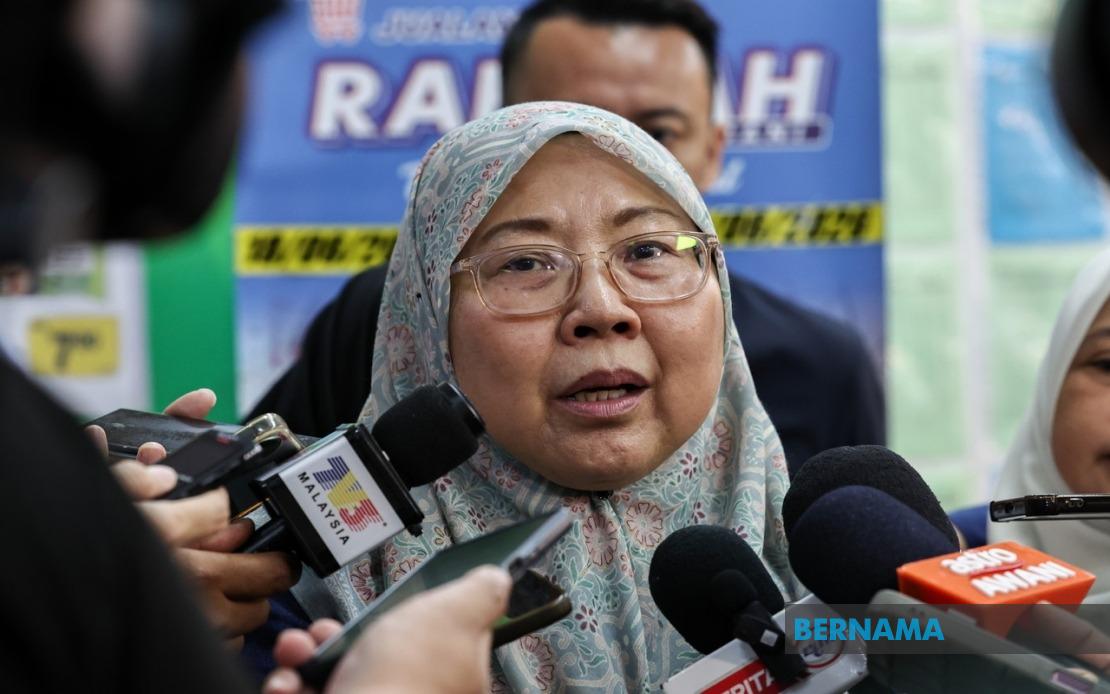
Deputy Minister Datuk Dr Fuziah Salleh outlined the government's multi-layered approach to maintaining consumer confidence during the election period. By restructuring how subsidised cooking oil reaches retailers, the ministry has eliminated intermediate wholesalers from the supply chain, enabling direct delivery from repackers to individual points of sale. This streamlined logistics approach reduces handling delays and potential disruption points that might otherwise compromise availability during high-demand periods.
Johor's allocation of subsidised cooking oil has remained steady at approximately 3,000 metric tonnes monthly, a volume managed by 18 licensed repackers distributing through 95 designated sales points scattered across the state. These outlets include major supermarket chains such as Econsave, which the deputy minister inspected to verify stock levels. The visit to Econsave Taman Daya revealed approximately 100 cartons available for daily purchase, demonstrating that current distribution channels are functioning effectively and meeting neighbourhood requirements without visible strain.
To prevent the subsidies intended for Malaysian citizens from being diverted or misused, the ministry has implemented verification protocols at checkout points throughout the distribution network. Shoppers purchasing subsidised goods must either scan a dedicated application or present their MyKad identity card, creating an accountability mechanism that protects programme integrity while maintaining accessibility for eligible purchasers. These controls represent a pragmatic balancing act between ensuring broad availability and preventing leakage of government support to unintended recipients.
Beyond cooking oil, the ministry has been promoting its Rahmah MADANI Sales Programme (PJRM), a broader initiative designed to ease the financial pressures facing ordinary Malaysian households. Data presented by the deputy minister indicates that nationwide, 13,692 PJRM events were organised between January and mid-June 2026, reflecting sustained government commitment to cost-of-living relief. Within Johor specifically, the programme conducted 920 separate sales sessions spanning all 56 state constituencies, attracting 2.3 million visitors and generating more than 1.46 million transactions during this period.
These participation figures underscore genuine public engagement with government assistance mechanisms, suggesting that the PJRM has successfully positioned itself as a trusted shopping initiative rather than merely symbolic policy gesture. The high visitor numbers and transaction volumes indicate consumers view these events as offering genuine value, particularly important during election periods when government effectiveness becomes a central political narrative. The ability to demonstrate such engagement metrics provides the ministry with concrete evidence of programme reach and public reception.
From an electoral standpoint, the timing of these supply assurances carries strategic significance. Johor's state election, scheduled for July 11, follows candidate nominations on June 27 and early voting on July 7. Food price stability and retail availability often influence voter perception of government competence, particularly among lower-income households most dependent on subsidised goods. By visibly inspecting distribution points and publicising supply figures, the ministry is attempting to build voter confidence that essential commodity availability will not become an election-period crisis.
The global logistics environment presents genuine challenges that Malaysian policymakers cannot entirely control. Heightened shipping costs stemming from West Asia instability mean that imported components of supply chains face margin pressure. By localising portions of the distribution network—particularly through the direct-to-retailer cooking oil system—the government has reduced exposure to international transportation volatility. This represents practical adaptation to external economic conditions rather than merely rhetorical reassurance.
For Malaysian consumers and regional observers, the significance lies in how the ministry's approach balances immediate election-period concerns with longer-term supply chain resilience. The verification systems protecting subsidy integrity suggest policymakers recognise that programme credibility depends on equitable implementation, not merely generous allocation. Similarly, the expansion of PJRM events nationwide rather than concentrating them in election constituencies indicates broader cost-of-living policy rather than narrowly partisan distribution.
The intersection of logistics costs, subsidy management, and electoral timing reflects deeper structural questions facing Malaysia's consumer protection framework. As global supply disruptions become more frequent, governments must develop distribution architectures that function reliably even during external shocks. The KPDN's direct-repackager-to-retailer model for cooking oil represents one such adaptation, potentially offering lessons applicable to other essential commodities. The success or failure of these mechanisms during the election period will likely inform future policy design across Southeast Asia's trade and commerce portfolios.