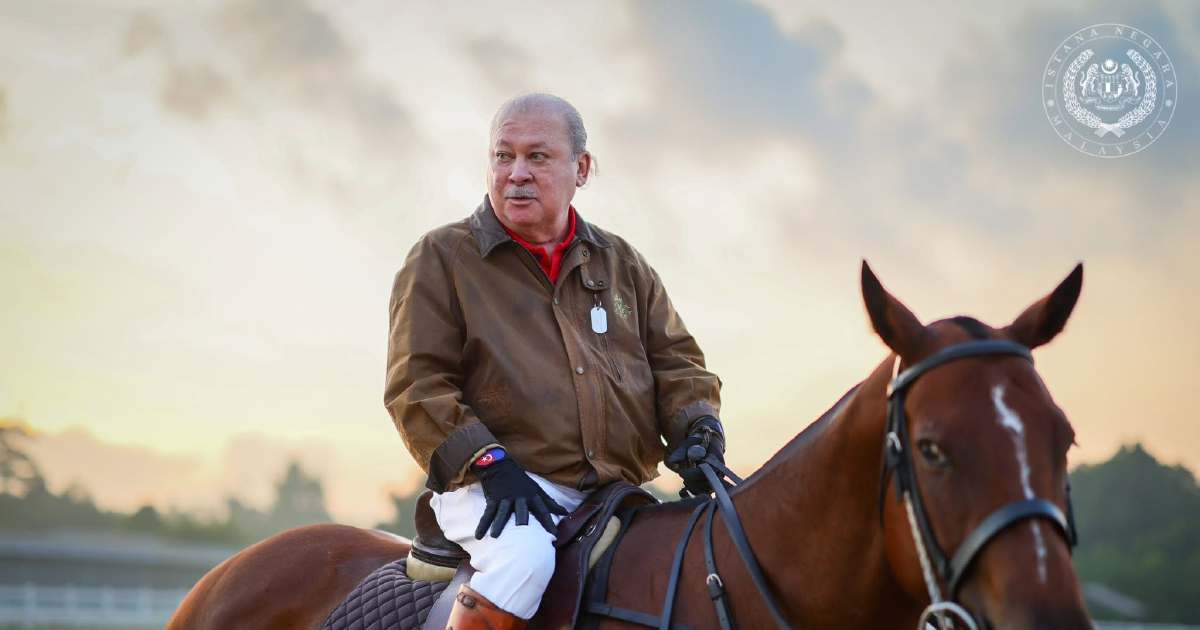
His Majesty Sultan Ibrahim, King of Malaysia, sustained his customary early-morning horsemanship regimen at the Royal Johor Polo Club situated within the grounds of Istana Pasir Pelangi in Johor Baru on Tuesday, executing his ride at an easy, measured tempo that reflected both physical poise and mental composure.
The monarch's dedication to this daily equestrian pursuit underscores the significance placed on personal fitness and well-being by Malaysia's head of state. Horse riding, a discipline requiring considerable physical coordination and core strength, remains one of the most demanding aerobic activities available to practitioners regardless of age. The choice to maintain such a regimen demonstrates not merely concern for individual health metrics, but also a commitment to the ceremonial and cultural traditions long associated with royalty throughout the Commonwealth and Southeast Asia.
The Royal Johor Polo Club, positioned within Istana Pasir Pelangi, represents one of the nation's premier equestrian facilities. The venue serves as both a recreational space and symbolic location where Malaysia's royal family engages with sporting traditions that extend back generations. Polo and horse riding have constituted integral components of royal life across the Malay sultanates, blending athletic endeavour with cultural heritage and diplomatic engagement.
For Malaysian observers, the visibility of the King maintaining consistent personal routines carries broader significance beyond mere fitness. Public figures, particularly heads of state, function as role models whose demonstrated behaviours influence societal attitudes toward health, discipline, and the value of sustained personal effort. By continuing such practices despite the considerable demands of the monarchy, His Majesty sends an implicit message regarding the importance of self-care and regular physical engagement.
The relaxed manner in which the King conducted his riding—described as calm and unhurried—provides insight into how such activity serves multifaceted purposes. Beyond the cardiovascular benefits inherent in equestrian exercise, horseback riding offers psychological advantages including stress relief, improved focus, and connection with natural surroundings. For individuals navigating the complex responsibilities of high office, such mindful physical practice can function as both preventative health measure and meditative practice.
In Southeast Asia, where discussions surrounding public health have intensified following recent global health challenges, visible commitment to fitness by national leaders gains added importance. Malaysia, like neighbouring nations, faces rising obesity rates and lifestyle-related diseases among its population. When leadership visibly prioritises physical wellness, such actions can contribute to broader cultural shifts toward valuing active lifestyles across demographic segments.
The timing and location of such activities also warrants consideration. Johor, as Malaysia's southernmost peninsula state and historic seat of sultanate power, maintains profound cultural and administrative significance. The choice to continue equestrian routines at the Royal Johor Polo Club rather than alternative facilities elsewhere reflects the enduring importance of Johor within the Malaysian political and cultural landscape.
Regularly scheduled activities such as this also serve administrative and security planning functions. The predictable nature of the King's morning routine allows appropriate protective measures and official scheduling to occur with necessary coordination. For the Palace communications apparatus, such occasions provide natural opportunities to maintain public awareness of the monarch's well-being and continued capacity to fulfil demanding state duties.
Horse riding specifically demands sustained physical capability and mental alertness that diminish considerably with age or poor health maintenance. The continued practice thus constitutes an implicit demonstration of vigour and fitness necessary for the demanding role of constitutional monarch. Malaysia's system of parliamentary democracy with a rotating monarchy requires the King to represent the nation both domestically and internationally, attending state functions, receiving foreign dignitaries, and fulfilling countless ceremonial obligations throughout the year.
The Royal Johor Polo Club itself represents investment in sporting infrastructure that facilitates not only royal recreation but also broader equestrian development across the state. Such facilities contribute to Johor's positioning as a centre for diverse sporting activities, attracting both local enthusiasts and international practitioners of polo and advanced horsemanship.
For the Malaysian public, reports of the King's continued adherence to personal wellness routines provide reassurance regarding national leadership stability. Consistent public activities, particularly those reflecting sustained physical capability, contribute to confidence in the continuity of executive functions and the monarchy's capacity to navigate both ceremonial and constitutional responsibilities. The choice to maintain such practices despite the inherent demands of royal duties thereby reinforces perceptions of dedication and strength essential to public leadership across any democratic commonwealth system.

