The Malaysian Artistes' Association, known as Karyawan, is preparing to formally submit a comprehensive set of resolutions to the Prime Minister that will emerge from the Music Practitioners Convention scheduled for Sunday, June 21. The initiative aims to chart a new direction for the country's music sector by consolidating the views and concerns of more than 200 musicians, composers, recording artists and other industry stakeholders expected to participate in the one-day gathering at Saloma Restaurant in Kuala Lumpur.
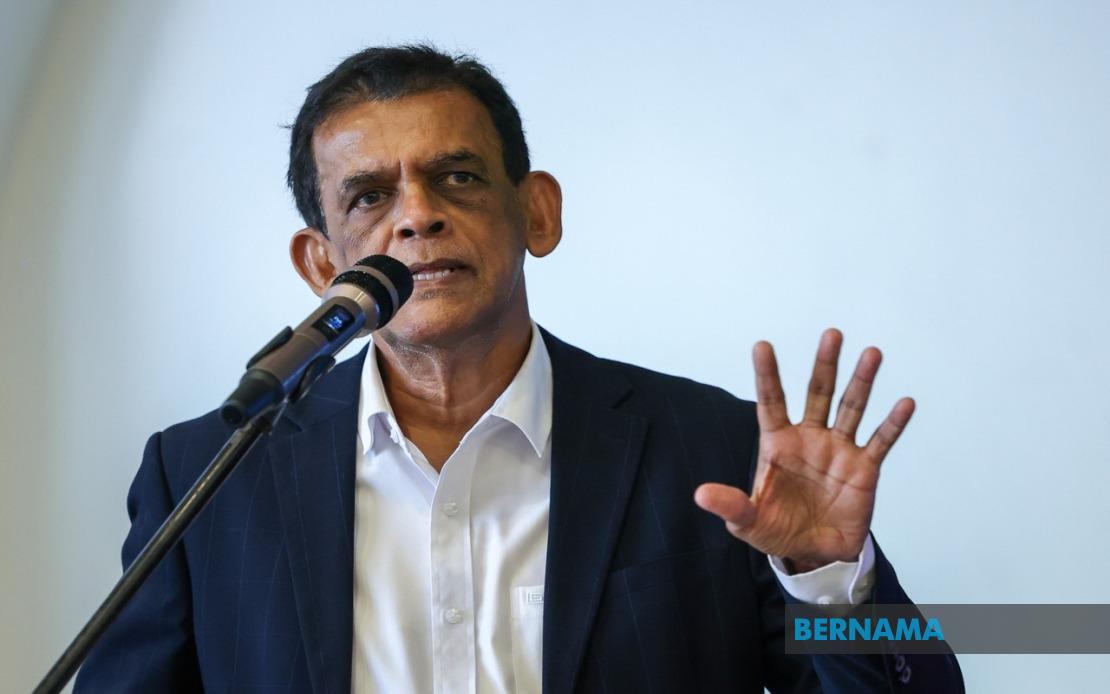
Karyawan president Datuk Freddie Fernandez articulated a sense of urgency about the state of Malaysia's music industry during remarks at a press conference announcing the convention. He expressed concern about troubling trends that have accumulated over the past two decades, indicating that the sector requires fundamental revitalisation and a serious reassessment of structural weaknesses. The convention represents a deliberate effort to bring diverse voices together in a structured forum where practitioners can voice grievances, propose solutions and seek clarity on outstanding ambiguities that currently plague the sector.
The forthcoming memorandum, to be finalised approximately one week after the convention concludes, will address multiple interconnected challenges facing music professionals. These include the framework for industry development, the emerging role of artificial intelligence in music creation and distribution, the contentious issue of royalty payments and collection systems, mechanisms to provide better support for artistes at various career stages, the state of music education and training, and the creation of sustainable career pathways for those seeking to build professional lives in music. Each of these areas will benefit from collective discussion and documented recommendations presented to government leadership.
Royalty distribution remains perhaps the most entrenched grievance within Malaysia's music ecosystem, a concern that has festered without satisfactory resolution for years. Freddie highlighted the stark disparity between what record companies collect and what ultimately reaches artistes, pointing to documented evidence from annual reports spanning 2002 to 2017. During that fifteen-year period, record companies accumulated nearly RM700 million through collections, yet only approximately RM20 million was disbursed to artistes' bodies—a ratio that underscores systemic inefficiency or misallocation within the payment chain. This significant gap demands urgent examination and reform to ensure that creative professionals receive fair compensation for their intellectual property.
The rise of artificial intelligence presents novel challenges that the music industry has yet to adequately address. Freddie stressed that AI's integration into music production, distribution and promotion requires extensive deliberation to establish balanced guidelines that permit technological innovation while safeguarding the livelihoods and creative rights of music practitioners. Without proactive discussion and regulation, musicians risk seeing their work replicated, manipulated or exploited by algorithmic systems that operate beyond their control or knowledge, raising ethical and economic questions that require careful policy consideration.
Beyond these specific issues, Karyawan identifies a broader structural problem: the music industry currently fails to provide young talent with transparent information about viable career paths, sufficient opportunities for skill development, or organised frameworks for professional advancement. The lack of institutional support and clear career architecture discourages young Malaysians from pursuing music as a serious profession, potentially contributing to brain drain as talented individuals seek opportunities abroad. The association argues that more systematic guidance, mentorship opportunities and institutional support could help develop a stronger pipeline of local musical talent.
The convention will feature a distinguished panel of industry figures and experts positioned to explore these issues in depth. Music activist Joe Lee, composer Dr Moja Salim, and Para Rajagopal, managing director of Live Nation, will participate as panellists, bringing diverse perspectives from artist advocacy, composition and live performance sectors. This cross-sectional representation should generate substantive discussion that moves beyond vague grievances toward actionable recommendations.
Freddie indicated that Karyawan is prepared to recommend structural interventions including new industry regulations and laws, coupled with enhanced support mechanisms for artistes. These recommendations may extend to fiscal measures, licensing frameworks, or institutional arrangements designed to strengthen the sector's foundation. The specific proposals will emerge from the convention discussions, reflecting the collective wisdom and urgent priorities identified by practitioners themselves.
For Malaysian readers and observers of the music industry, this initiative signals a potential turning point. The fact that Karyawan is mobilising practitioner voices and elevating the agenda to Prime Ministerial level indicates growing frustration with the status quo and a determination to secure government attention for long-neglected sector challenges. Success will depend on whether the government embraces the resolutions and translates them into concrete policy changes and resource allocation.
The convention also addresses an important secondary function: providing clarity and reassurance to practitioners navigating a music landscape increasingly characterised by rapid technological change and uncertain economic prospects. Many musicians operate amid confusion about regulations, rights, and available support, a fog that undermines professional confidence and investment in the sector. By bringing stakeholders together and soliciting candid discussion, Karyawan creates space for collective problem-solving and mutual understanding.
The June 21 convention begins at 10 am and represents the culmination of significant planning by Karyawan leadership. The timing is strategic—positioning industry recommendations to government before the year's end allows potential for budget allocation and legislative consideration in upcoming parliamentary sessions. This suggests that Karyawan envisions the memorandum not merely as a symbolic gesture but as a serious policy intervention document deserving substantive government response.

