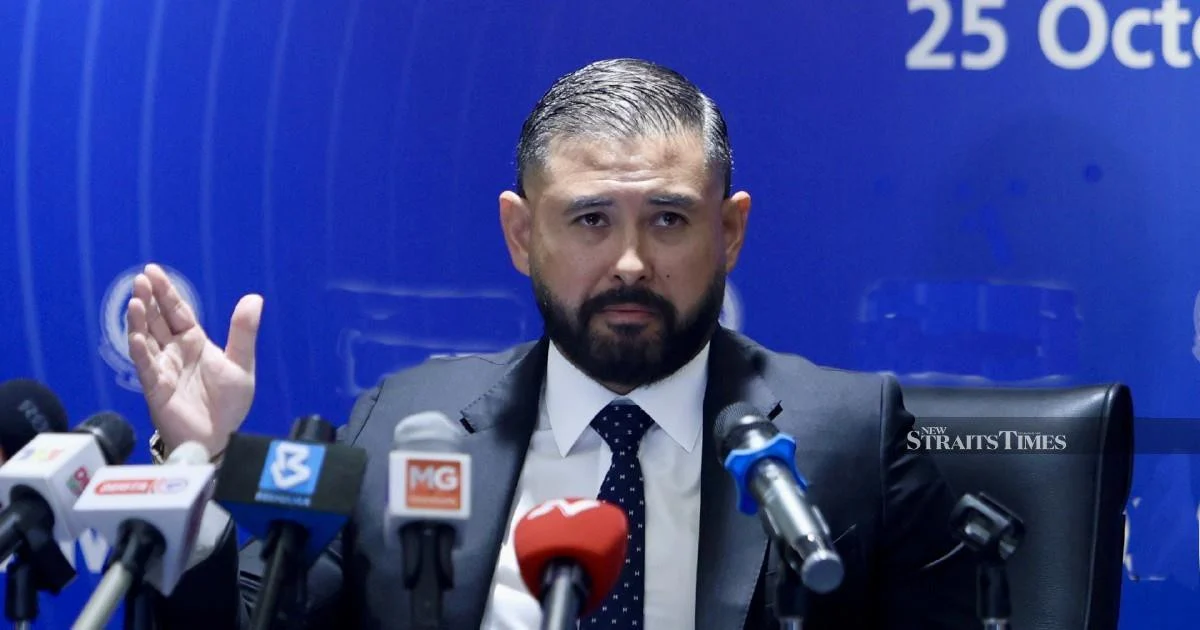
The Regent of Johor, Tunku Ismail Sultan Ibrahim, has challenged the Prime Minister's recent characterization of the state as a wealthy jurisdiction beset by considerable revenue leakages. Speaking in Johor Baru, the Regent articulated a fundamentally different diagnosis of the state's fiscal situation, directing responsibility toward the federal government rather than acknowledging internal administrative failures.
This exchange represents a significant divergence in how Malaysia's political leadership interprets the financial health and governance challenges facing one of the nation's most economically significant states. The Regent's intervention underscores tensions over resource distribution and autonomy within Malaysia's federal structure, where states and the central government frequently negotiate the terms of revenue sharing and financial allocation. Johor, as a major contributor to national economic output through its ports, manufacturing sectors, and trade activities, occupies a strategically important position in these discussions.
The Regent's assertion that inadequate federal revenue returns constitute the core problem rather than internal leakages suggests a more complex picture than simple administrative inefficiency. This framing highlights how states perceive their relationship with Kuala Lumpur in terms of equity and fair compensation for their economic contributions. The distinction matters considerably for policymakers and investors alike, as it touches on questions of state competitiveness, resource management authority, and the sustainability of Malaysia's intergovernmental fiscal arrangements.
Johor's economic significance amplifies the implications of this dispute. The state generates substantial revenues through its strategic location as a gateway between Malaysia and Singapore, its extensive port infrastructure, and its diversified industrial base. When the Regent disputes claims of significant leakages, he is essentially defending the state's administrative and financial credibility against what he perceives as an unfair characterization. Such characterizations can influence investor confidence, particularly for regional and foreign entities evaluating where to establish operations within Malaysia.
The notion of revenue "leakage" typically encompasses misappropriation, inefficient spending, inadequate collection mechanisms, or other forms of financial loss within state government systems. By reframing the issue as a federal government problem rather than a state-level administrative failure, the Regent is making a strategic political argument about power dynamics within Malaysia's federal system. This repositioning suggests that Johor's financial challenges stem from structural inequities in how the federation distributes resources, rather than from governance shortcomings unique to the state.
This disagreement also reflects broader questions about state autonomy and economic management that resonate across Malaysia and Southeast Asia. Federal systems throughout the region grapple with balancing central coordination with state-level development needs. The Regent's public intervention indicates that Johor leadership views the current arrangement as disadvantageous and is willing to contest the federal government's interpretation of the state's fiscal situation openly. Such tensions are not uncommon in federal structures, but their public airing can signal deeper governance challenges requiring attention.
For Malaysian investors and businesses, particularly those considering expansion within Johor, the Regent's statement provides reassurance regarding state-level financial management. By attacking the characterization of significant internal leakages, he is implicitly claiming that Johor's institutional systems are functioning adequately and that apparent fiscal constraints result from external factors—specifically inadequate federal revenue transfers—rather than endemic mismanagement. This messaging is strategically important for maintaining business confidence in the state's governance.
The exchange also illuminates how senior state figures utilize public platforms to contest federal narratives. The Regent's role as a constitutional head of state gives particular weight to his statements, lending them legitimacy beyond typical political discourse. His willingness to directly challenge the Prime Minister's characterization indicates that Johor's leadership views the stakes as sufficiently high to warrant public disagreement with the federal government's interpretation of the state's situation.
Regional observers watching Malaysia's federal politics will recognize in this dispute familiar patterns of state-federal negotiations occurring throughout Southeast Asia. Countries like Indonesia and the Philippines similarly contend with questions about equitable resource distribution between central and regional governments. The specific framing of Johor's complaint—that the federal government is failing to return adequate revenue rather than the state failing to manage what it receives—reflects a particular understanding of fiscal federalism and state rights within Malaysia's constitutional framework.
Moving forward, this public disagreement will likely influence how federal and state governments approach fiscal policy discussions and revenue-sharing negotiations. The Regent's clear rejection of the "leakage" characterization sets parameters for subsequent dialogue and establishes the state's negotiating position on these financial matters. Whether this public dispute leads to substantive changes in revenue-sharing arrangements or merely represents tactical positioning in ongoing federal-state negotiations remains to be seen.
The broader context suggests that Johor's leadership feels inadequately compensated for its economic contributions relative to what the state receives in federal transfers and has chosen to contest this situation publicly. This represents a calculated decision to bring fiscal federalism questions into public discourse, potentially mobilizing support from Johor citizens and other stakeholders who share concerns about whether the state receives fair treatment within Malaysia's federal structure. The implications extend beyond Johor to influence how other states evaluate their own federal relationships.

