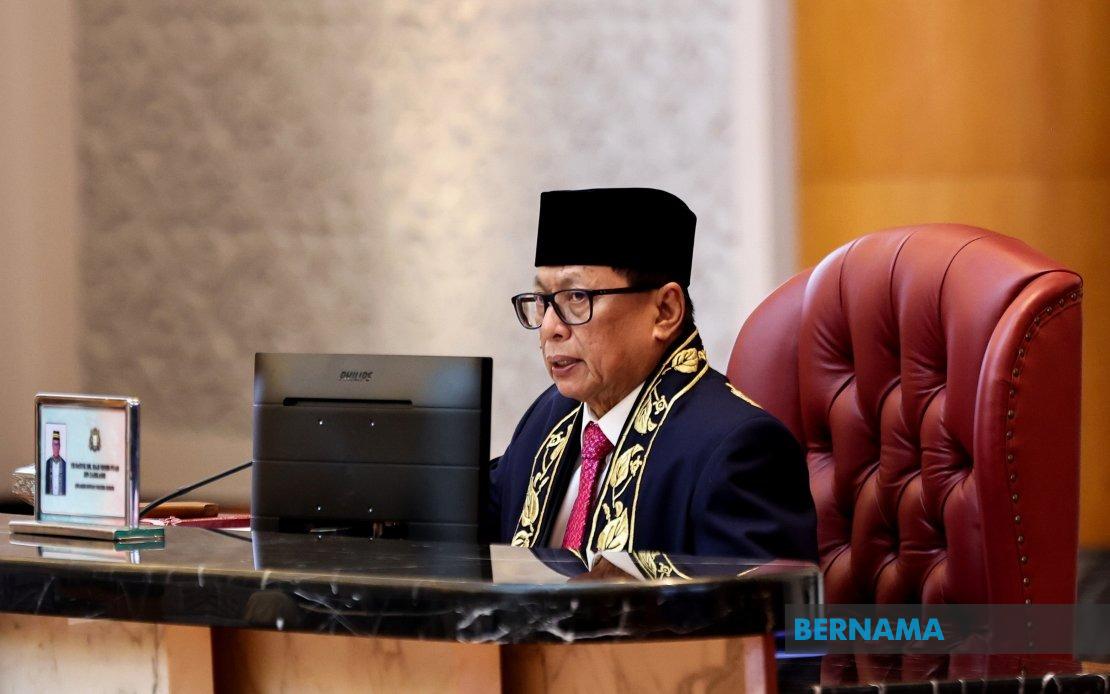
Johor's State Legislative Assembly speaker Datuk Dr Mohd Puad Zarkashi has announced his decision to step away from electoral contest, declining to defend the Rengit constituency in the upcoming Johor state election scheduled for July 11. The announcement, made public through a Facebook post, marks a significant moment in the state political landscape as one of the assembly's senior figures opens the way for generational transition within the ruling coalition.
The 69-year-old incumbent, who has represented Rengit since the 2022 state election when he secured victory with a majority of 1,920 votes, explained that longevity considerations formed the crux of his decision. In his statement, Mohd Puad noted that reaching age 74 within the next five years would be inappropriate for contesting state legislative positions, signalling a preference for age-conscious political renewal in Johor's governance structure. His reasoning reflects growing discourse within Malaysian politics about balancing experience with fresh leadership approaches.
Mohd Puad disclosed that his decision was not hasty but rather the product of careful deliberation made approximately one year prior. He communicated his intentions to UMNO president Datuk Seri Dr Ahmad Zahid Hamidi and Johor UMNO chairman Datuk Onn Hafiz Ghazi just two weeks before making the public announcement, ensuring that party leadership had adequate time to prepare alternative arrangements for the constituency. This measured approach demonstrates respect for internal party protocols and strategic election planning.
The speaker's withdrawal carries particular significance given his position within the assembly's institutional framework. As the presiding officer of the state legislative body, his exit from the electoral contest sends a symbolic message about willingness among senior figures to prioritise institutional stability and generational renewal over personal political longevity. His public advocacy for candidates aged 50 and below represents an explicit endorsement of youth-focused candidacy, potentially reshaping campaign narratives around vitality and forward-thinking governance.
Mohd Puad's statement included broader reflections on candidate selection criteria that extend beyond age considerations. He proposed that prospective representatives should demonstrate educational qualifications, exemplary moral character, genuine commitment to political struggle, and comprehension of national developmental trajectories. These standards suggest a quality-focused approach to candidate vetting that could influence party selection mechanisms during the nomination period.
The timing of this announcement creates space for Johor UMNO leadership, particularly Onn Hafiz, to orchestrate a transition toward a comparatively younger slate of candidates. By explicitly endorsing Onn Hafiz's prerogative to lead a rejuvenated team in administering the state government, Mohd Puad demonstrates solidarity with the current party leadership while removing a potential obstacle to broader generational restructuring within the coalition. This alignment between the speaker and party chairman suggests cohesive strategic planning rather than internal discord.
The electoral calendar reflects considerable urgency in finalising these arrangements. With nomination day scheduled for June 27 and polling slated for July 11, political parties have compressed timeframes for selecting candidates, conducting internal validations, and executing campaign strategies. Mohd Puad's early declaration provides UMNO with sufficient runway to identify and field an alternative candidate for Rengit, minimising disruption to electoral preparations.
Mohd Puad's public acknowledgement of gratitude toward the Rengit constituency electorate and Sultan Ibrahim, the King of Malaysia, for consenting to his appointment as speaker, reflects established protocols of political courtesy within Malaysian democracy. His commitment to completing outstanding administrative matters before nomination day indicates intention to ensure smooth institutional transitions rather than precipitous withdrawals.
The implications for Rengit constituency remain significant. The seat, having been won with a relatively modest 1,920-vote margin in 2022, presents a competitive terrain where the choice of successor candidate could substantially influence electoral outcomes. Opposition parties will likely view the speaker's departure as an opportunity to contest a previously held UMNO position, potentially intensifying electoral competition in what might otherwise remain a stronghold seat.
This development forms part of broader patterns emerging across Malaysian electoral politics, where aging senior figures increasingly make space for younger contenders, partly driven by demographic pressures and partly by evolving expectations about leadership renewal. The Johor election on July 11 will offer an early test of whether age-focused succession planning translates into electoral advantage for ruling coalition parties seeking to refresh their image and appeal.
Mohd Puad's decision also intersects with national conversations about institutional governance and the relationship between tenure longevity and effectiveness. His articulation of unsuitability beyond a certain age provides intellectual framework for normalising political transition, potentially influencing similar decisions across Malaysian politics. The precedent established in Johor may resonate within party structures nationwide as leadership contemplates optimal generational balance.

