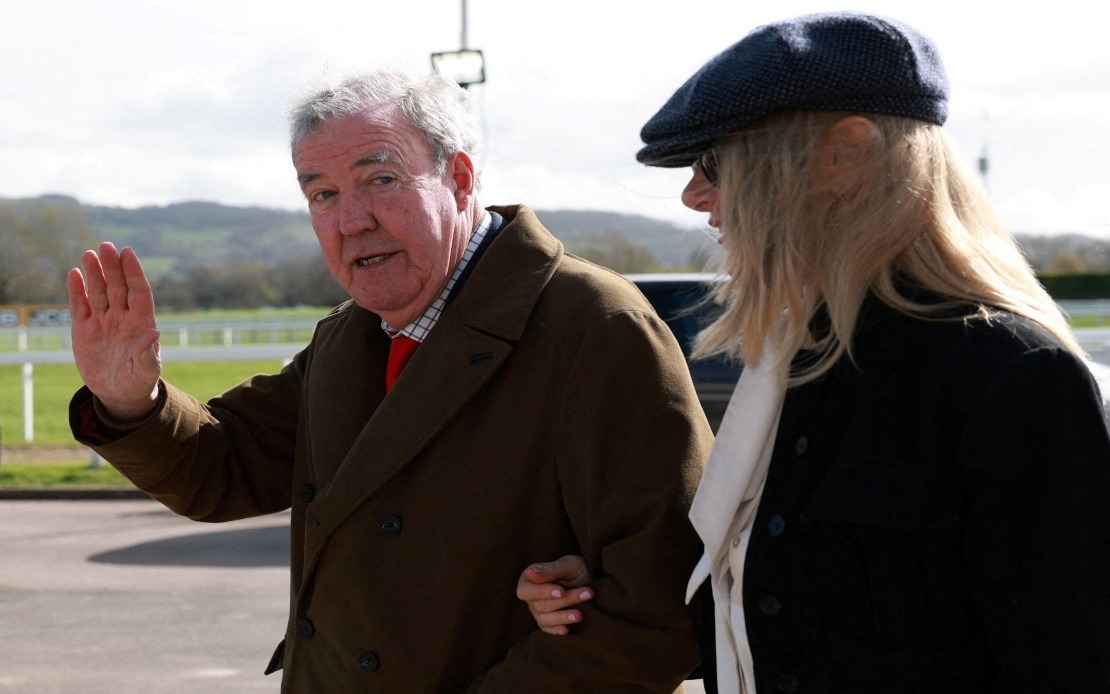
British television personality Jeremy Clarkson has disclosed that he has been diagnosed with prostate cancer, making the announcement during the filming of his popular farming reality series. The 66-year-old revealed the diagnosis to farm manager Kaleb Cooper and land agent Charlie Ireland whilst discussing harvest plans, delivering the news with characteristic directness before elaborating on what lay ahead medically.
Clarkson conveyed optimism about his prognosis, telling his companions he anticipated being "fine" overall but acknowledged he would require extended time away from his professional commitments. Rather than keeping the matter private, the presenter chose to address it publicly through his television platform, ultimately using the final episode of the season to provide viewers with an update on his surgical intervention. This transparent approach reflects a broader trend among high-profile figures using their platforms to discuss serious health matters, potentially destigmatizing conversations around prostate cancer among their audiences across the region and beyond.
The operation involved removing a portion of his prostate gland, specifically the section where cancerous cells had been identified. Clarkson described the affected area as representing approximately ten percent of the organ, though he emphasized uncertainty about the long-term success of the intervention. His recovery timeline extends considerably, with the presenter indicating he would not receive confirmation of whether the treatment proved effective until November, meaning several months of uncertainty lay ahead during his recuperation period.
Complicating his recovery, Clarkson revealed he experienced unexpected difficulties following the surgical procedure, ultimately returning to a hospital bed even as he concluded the filming season. This development proved significant enough to merit mention in the final episode, demonstrating the serious nature of his health situation. The juxtaposition of beginning and ending the season from hospital beds underscored the challenging nature of his medical journey and the impact it had on his daily functioning during what would typically be productive months for his television work.
Remaining characteristically philosophical about his uncertain future, Clarkson addressed viewers directly regarding the continuation of his show, stating plainly that if his treatment proved successful, audiences could anticipate a sixth season. However, he acknowledged the alternative scenario with equal candor, indicating that without successful recovery, the program might not proceed. This candid framing, whilst sobering, reflected the seriousness of his condition and offered viewers transparency about the potential implications for the series they had grown to follow since his transition to agricultural television in 2019.
Clarkson's health challenges extend beyond this recent diagnosis. Nearly two years prior, he underwent a cardiac procedure requiring the implantation of two stents to restore adequate blood flow to his heart. That intervention prompted medical advice to significantly reduce his work commitments, with his physician recommending he replace occupational activities with leisure pursuits such as golf. The presenter subsequently detailed this guidance in a newspaper column, providing public insight into his recovery process and the lifestyle adjustments required following cardiovascular treatment.
His health history also encompasses other significant medical episodes. The television presenter previously abandoned smoking habits following a bout of pneumonia contracted whilst holidaying in Spain, demonstrating a pattern of responding to health warnings through meaningful lifestyle modifications. These cumulative health challenges over a concentrated timeframe place his current diagnosis within the context of broader wellness concerns affecting men in their mid-to-late sixties, a demographic increasingly aware of prostate cancer prevalence rates across developed nations.
Clarkson's transition into farming and agricultural television in 2019 reshaped both his public profile and his worldview. His popular reality series chronicling farm operations and rural challenges transformed him into an unexpected advocate for agricultural interests and farmers' concerns. This positioning accelerated significantly in November 2024 when he attended a major protest demonstration in London opposing the British government's proposed inheritance tax policies affecting farmland. His vocal opposition to taxation affecting agricultural succession planning positioned him alongside rural stakeholders in highly visible and politically charged advocacy.
The farming venture represents a fundamental life change for someone previously synonymous with automotive programming and high-octane entertainment. His engagement with agricultural realities, from seasonal planning to market uncertainties, appears to have generated genuine passion and commitment to rural advocacy. This context matters for understanding Clarkson's current situation: his prostate cancer diagnosis emerges amid a period when his professional identity and personal fulfillment appear deeply invested in the farming enterprise and associated television production.
For audiences across Southeast Asia and globally, Clarkson's public disclosure carries implications beyond his individual circumstances. His willingness to discuss prostate cancer openly contributes to broader awareness of the condition, which remains underdiagnosed in many regions due to stigma and reluctance to discuss urological health. Given Clarkson's substantial following and media prominence, his transparent communication about diagnosis, treatment, and recovery trajectory potentially influences public attitudes toward health screening and medical intervention in traditionally male-dominated conversations.
The scheduled production timeline indicates that if recovery proceeds favorably, viewers might anticipate the sixth season airing in 2027, providing a three-year interval from the current diagnostic moment. This extended timeline acknowledges both the substantial nature of surgical recovery and the production demands of creating professional-quality television content. Meanwhile, the preceding seasons remain available to audiences discovering or revisiting Clarkson's farming journey, a television program that has found unexpected traction among viewers drawn to agricultural themes and rural authenticity.
Clarkson's situation encapsulates larger healthcare realities affecting middle-aged and older men globally. Prostate cancer represents one of the most frequently diagnosed malignancies in this demographic, yet remains somewhat neglected in public health discourse compared to other conditions. His high-profile acknowledgment of the diagnosis, treatment complications, and uncertain prognosis serves an inadvertent educational function, normalizing discussion of urological cancer and its impacts on successful, active individuals who might otherwise prefer privacy regarding medical matters. The television personality's decision to address the issue transparently rather than managing it quietly ultimately shapes public conversation around men's health in meaningful ways.
As Clarkson navigates his recovery in the coming months leading toward his November evaluation, the focus within television production circles and among his viewers remains whether his farming enterprise and associated programming will continue uninterrupted. The genuine uncertainty he expressed regarding his future reflects the unpredictable nature of cancer treatment outcomes, regardless of initial surgical success. His characteristic candor in communicating this uncertainty—neither offering false assurance nor succumbing to pessimism—established a framework for honest conversation about his health journey moving forward.