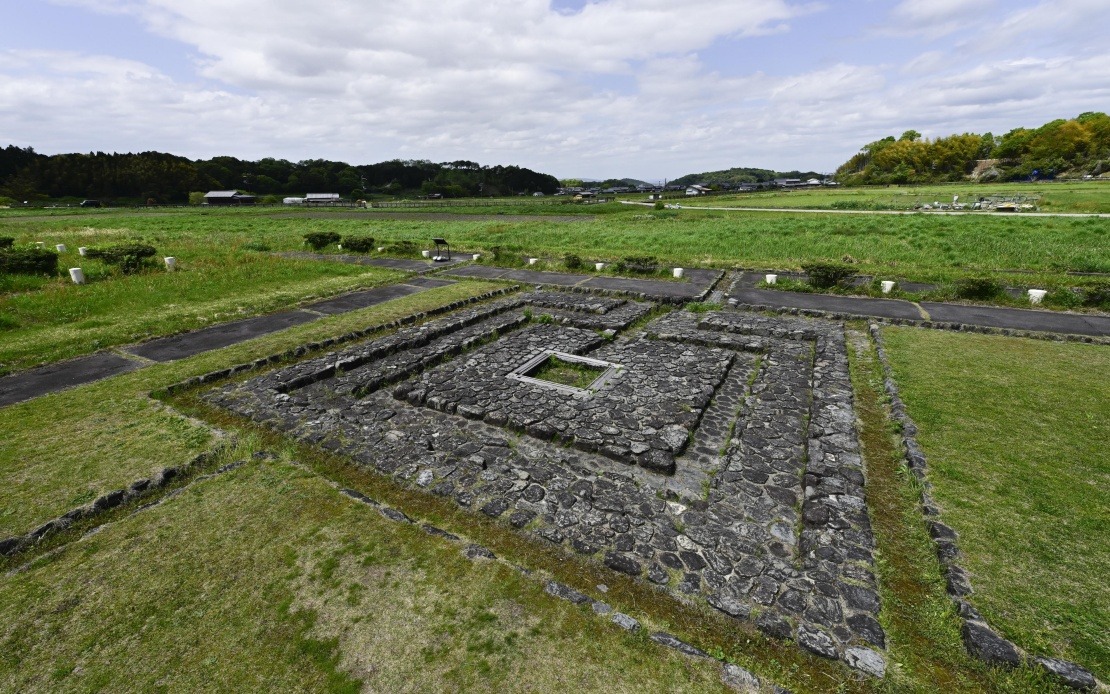
UNESCO's World Heritage Committee has formally recognised Japan's Asuka-Fujiwara archaeological sites as a World Heritage site, marking Japan's 27th inscription on the prestigious global list. The decision, announced during the committee's meeting in Busan, South Korea on Sunday, designates the cluster of 19 ancient sites in Nara Prefecture as possessing outstanding universal value deserving international protection and study.
The designation celebrates a remarkable archaeological landscape spanning nearly two centuries of profound transformation in East Asia. The sites, dating from the late sixth century through the early eighth century, document a pivotal epoch when Japan transitioned from a collection of regional kingdoms into a unified state with centralised authority. This process unfolded against a backdrop of intensive cultural, technological and political exchange with neighbouring China and the Korean Peninsula, reflecting the interconnected nature of East Asian civilisation during this formative period.
The Asuka-Fujiwara cluster encompasses some of Japan's most historically significant locations, each contributing distinct evidence to our understanding of ancient state-building. The ruins of Asuka Palace and Fujiwara Palace stand as tangible reminders of the architectural ambitions and administrative sophistication of early Japanese rulers. These palatial complexes, though now reduced to archaeological traces, once housed the apparatus of centralised government and served as symbols of emerging imperial authority. The remains reveal sophisticated planning and construction techniques that demonstrate Japan's capacity to adopt and adapt advanced organisational systems from continental neighbours.
Among the most visually arresting discoveries within the cluster are the monumental burial mounds, or kofun, which serve as enduring monuments to the elite class that guided Japan's state formation. The Takamatsuzuka mounded tomb deserves particular attention for its remarkably preserved murals, rendered in vivid pigments that have survived more than 1,300 years of burial. These artistic treasures depict figures and symbols whose meanings scholars continue to debate, yet whose existence testifies to the cultural sophistication and artistic ambitions of Asuka-period elites. The Kitora mounded tomb, equally extraordinary, houses the oldest surviving astronomical chart in East Asia, an artefact that underscores Japan's engagement with sophisticated knowledge systems originating in China and transmitted through the Korean Peninsula.
The archaeological significance of these sites extends beyond individual monuments to encompass the broader urban and religious infrastructure that characterised early Japanese state formation. Buddhist temple ruins scattered throughout the cluster demonstrate the profound impact of Buddhist institutions on political legitimacy and cultural transformation. Buddhism, introduced to Japan through Korea in the sixth century, rapidly became intertwined with state-building efforts, with successive rulers patronising temples as expressions of both piety and political authority. The physical remains of these temples reveal the technological capabilities and artistic ambitions of early Japanese society, from sophisticated stone and timber construction to elaborate sculptural and pictorial programmes.
The UNESCO recognition carries implications that resonate across East Asia, particularly for regional understanding of shared cultural heritage and historical interaction. The inscription implicitly acknowledges that Japan's political and cultural development cannot be understood in isolation, but rather emerges from dynamic engagement with China and Korean kingdoms. For Southeast Asian readers and policymakers, the Asuka-Fujiwara designation offers instructive precedent for how archaeological sites can serve as anchors for understanding regional interconnectedness and historical exchange. The inscription emphasises that early state formation in East Asia was fundamentally a multi-directional process, with ideas, technologies and practices flowing along established networks of trade, migration and diplomatic contact.
Japan's growing collection of World Heritage sites now comprises 22 cultural designations and five natural sites, reflecting the country's exceptional archaeological and natural heritage. The Asuka-Fujiwara inscription represents the successful culmination of an extended nomination process, with UNESCO's advisory bodies having examined the sites thoroughly in June before recommending their addition. The rigorous evaluation process underscores the international standing of these archaeological remains and their demonstrated capacity to illuminate universal human experiences of state formation and cultural transformation.
The timing of this recognition, with Japan increasingly asserting its historical and cultural significance in regional geopolitics, reinforces the country's role as custodian of East Asian civilisational heritage. The Asuka-Fujiwara sites encapsulate a moment when Japan was most intensely engaged with continental Asian influences, yet simultaneously developing distinctive institutional and cultural forms. This balance between cultural reception and innovation continues to characterise Japanese civilisation, and the archaeological evidence preserved at these sites provides tangible documentation of this foundational historical process.
For conservation authorities throughout Southeast Asia, the Asuka-Fujiwara inscription offers broader lessons about the importance of systematic archaeological documentation and site preservation. The cluster's successful nomination followed decades of careful excavation, analysis and documentation by Japanese scholars and institutions. This methodical approach enabled UNESCO evaluators to assess the sites' authenticity and integrity with confidence. As Southeast Asian nations advance their own heritage preservation efforts, the Asuka-Fujiwara model demonstrates how rigorous academic engagement and comprehensive site management can facilitate international recognition and support for archaeological resources that might otherwise remain vulnerable to development pressures.
The World Heritage designation will likely enhance tourism and scholarly interest in the Asuka-Fujiwara region, generating economic benefits whilst imposing conservation obligations on Japanese authorities. The sites now fall under heightened international scrutiny, with UNESCO expecting signatory nations to maintain World Heritage sites according to rigorous standards. This commitment to preservation ensures that future generations throughout Asia and beyond will have access to these crucial windows into the region's formative historical period, enabling ongoing reinterpretation and discovery as archaeological methodologies and analytical frameworks evolve.

