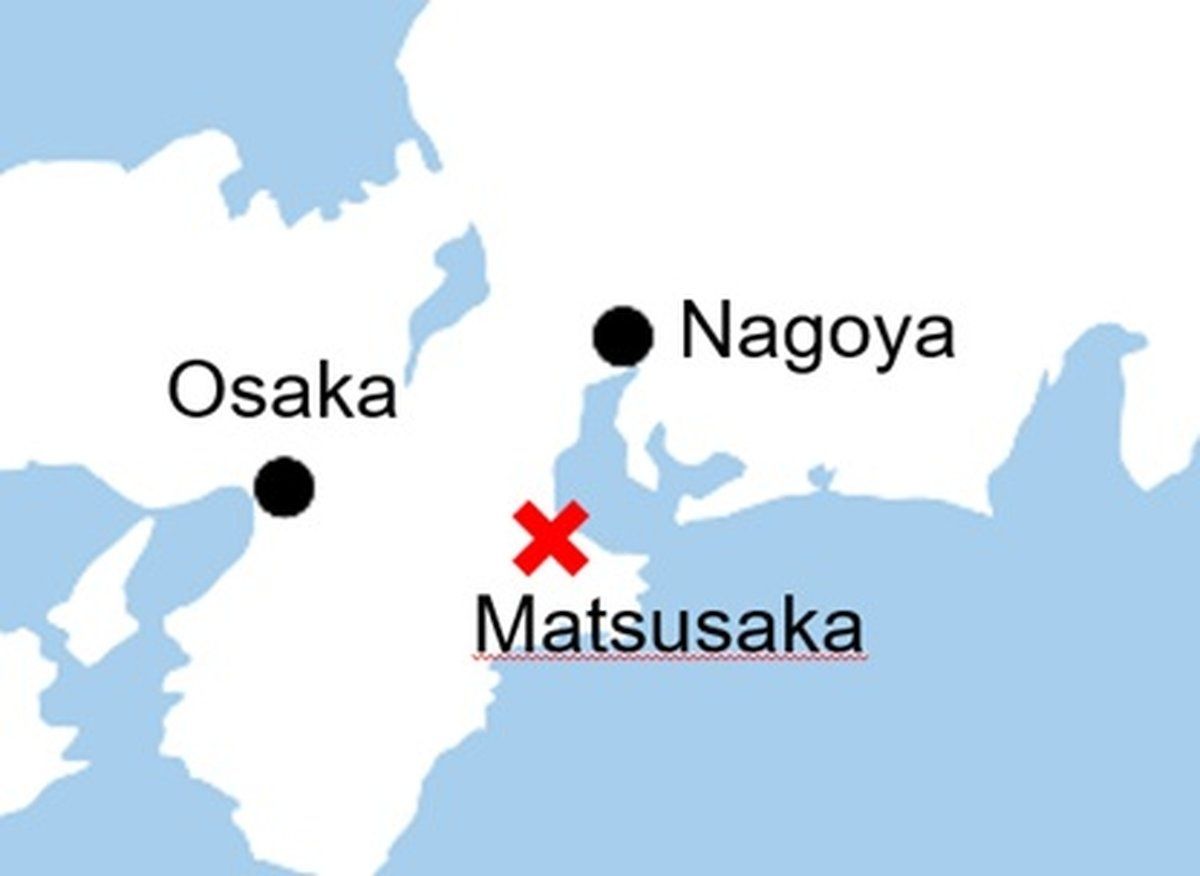
A 35-year-old resident of Matsusaka in Mie Prefecture, Japan, has been taken into police custody following allegations that he confined his partner's five-year-old daughter inside a garbage can on May 12. The arrest came on Thursday, June 18, after a child welfare centre reported the incident to authorities. The suspect has acknowledged responsibility for the act, providing police with a confession that facilitated the swift filing of charges.
According to investigative reports released by law enforcement, the man allegedly carried the young girl to a garbage bin located at his partner's residence and secured her inside by closing the lid. The confinement occurred at approximately 6:30 pm on the date in question. The child remained trapped within the bin for roughly five minutes before being retrieved. Remarkably, the girl emerged from the incident without any reported physical injuries, though the psychological impact of such treatment raises serious concerns about her wellbeing and development.
The suspect's justification for this disturbing behaviour centred on his characterisation of the act as a disciplinary measure. This explanation underscores a troubling attitude towards child discipline that extends far beyond acceptable parental guidance or correction. The framing of such extreme confinement as a legitimate form of punishment reflects a fundamental misunderstanding of child development and appropriate boundaries in caregiver conduct. Such actions fall squarely within the realm of child abuse under Japanese law and international child protection standards.
The discovery and reporting of the incident demonstrates the critical importance of Japan's child welfare system in identifying and protecting vulnerable children. On May 20, more than a week after the initial confinement, a child welfare centre became cognisant of what had transpired and took the necessary step of alerting police authorities. This delay between the incident and its official reporting highlights how abuse can occur behind closed doors, often without immediate detection by external agencies.
Beyond the five-year-old victim, authorities determined that the girl's older sister also required protective intervention. The child welfare centre subsequently assumed custody of both children, removing them from the household and placing them into its protective care system. This decision reflects the recognition that the household environment posed ongoing risks to the children's safety and wellbeing, warranting their separation from the adults present in the home.
The case raises important questions about supervision and oversight in households where children face vulnerability. Japan's child protection framework, while comprehensive on paper, faces consistent challenges in detecting and preventing abuse within family units and intimate domestic arrangements. The week-long gap between the incident's occurrence and its reporting to authorities suggests that mechanisms for early identification may require strengthening, particularly in cases involving non-biological parental figures or blended family arrangements.
Cases of this nature resonate across East and Southeast Asia, where varying cultural attitudes towards child discipline sometimes create ambiguity regarding what constitutes acceptable correction versus actionable abuse. The prosecution of this case sends a clear message that regardless of intent or cultural framing, confining a small child in a garbage bin crosses a definitive legal and moral threshold. The confession by the accused eliminates any possibility of misunderstanding or miscommunication regarding his actions.
For Malaysian observers, this incident serves as a cautionary reminder about vigilance in child protection. While Malaysia has its own comprehensive child welfare legislation and protective agencies, the detection of such extreme behaviour depends heavily on awareness among neighbours, family members, healthcare providers, and educators. The Japanese authorities' response—moving swiftly once the welfare centre became aware of the situation—demonstrates a model of inter-agency cooperation that other nations, including those in Southeast Asia, may reference.
The psychological implications for children subjected to such treatment extend well beyond the immediate physical trauma. Confinement in a dark, enclosed space can trigger severe anxiety, claustrophobia, and profound distrust of caregiving figures. Early childhood is a critical developmental period, and violations of safety during this phase can have lasting effects on emotional regulation, attachment patterns, and sense of security. Mental health support for both affected children will likely play a vital role in their recovery and future development.
As this case proceeds through Japan's criminal justice system, it will establish important precedent regarding the treatment of child confinement cases and the definition of appropriate discipline. The willingness of authorities to prosecute aggressively, combined with the suspect's admission, should result in meaningful consequences that underscore the seriousness with which Japanese society views child protection. Such outcomes reinforce both deterrent effects and the cultural normalisation of child safety as a paramount societal value.

