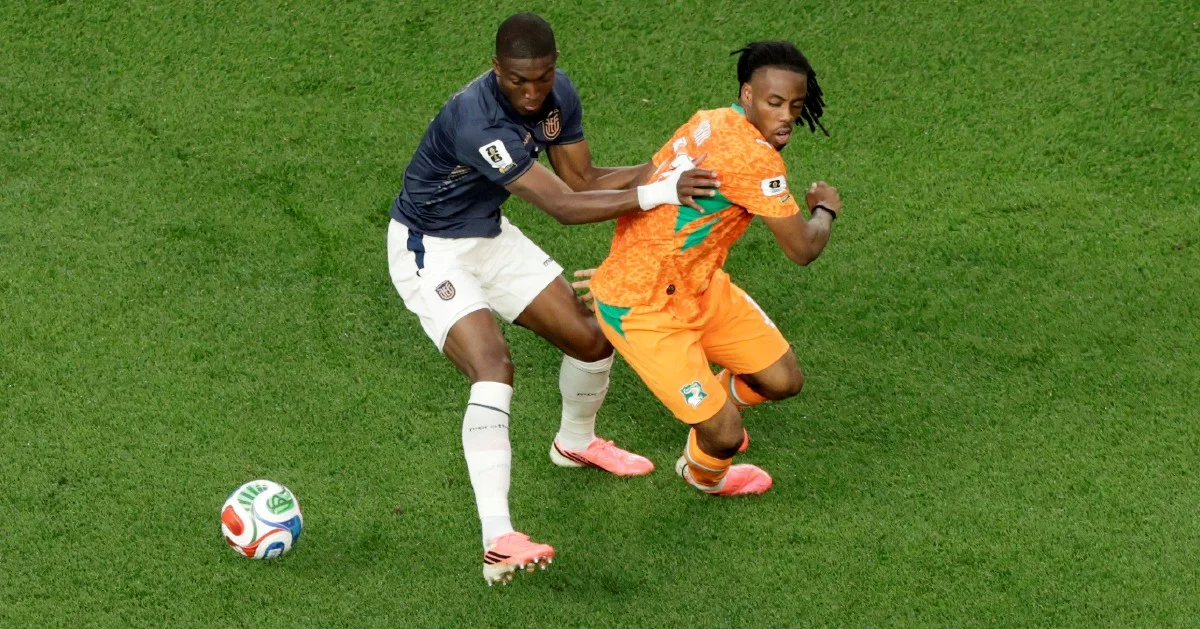
The Ivorian Football Federation has taken decisive action by preventing star forward Elye Wahi from joining the national squad for this weekend's World Cup qualifying encounter against Germany in Canada, marking a significant blow to the West African nation's campaign. The ban came swiftly after reports emerged linking the player to an ongoing investigation into alleged match-fixing irregularities surrounding a Ligue 1 fixture, signalling the federation's determination to distance itself from potential wrongdoing at the international level.
Wahi, who has become a key attacking asset for Ivory Coast, now finds himself at the centre of a sports integrity controversy that extends beyond the playing field. The decision to exclude him represents more than merely missing a single match; it underscores the gravity with which African football authorities are treating allegations of corruption that threaten to undermine the credibility of the continent's sporting institutions. By acting promptly, the Ivorian Football Federation demonstrates that no player, regardless of stature or importance to the team's performance, stands above investigation or disciplinary action.
The investigation itself centres on suspected corruption within French professional football, specifically involving a Ligue 1 match where Wahi allegedly played a role in activities contrary to fair play principles. French football's domestic league has increasingly become the focus of integrity scrutiny in recent years, with various investigations into suspicious betting patterns and player conduct. For Southeast Asian observers, this situation serves as a reminder that match-fixing concerns are not confined to any single region—corruption in football represents a global challenge that affects competitions and leagues across multiple continents and sporting bodies.
Wahi's club career in France has positioned him as one of Africa's most promising forwards, a status that makes his involvement in such allegations particularly troubling. The player's talent and trajectory had marked him as someone destined for success at the highest levels of international competition. However, allegations of participation in match-fixing activities, if substantiated, would represent a profound breach of sporting ethics and professional responsibility. The investigation's scope and findings will likely influence not just his immediate availability but his future prospects in elite European football.
For Ivory Coast's World Cup qualifying hopes, Wahi's absence creates tactical challenges and uncertainty. Germany represents formidable opposition, and losing a dynamic attacking midfielder whose form and experience could prove crucial complicates the federation's preparation strategy. The timing of this suspension—just days before the fixture—forces the coaching staff to reorganise their offensive setup and adjust strategic planning based on available alternatives. This disruption extends beyond individual match-day considerations into broader implications for Ivory Coast's campaign trajectory and positioning within their qualification group.
The Ivorian Football Federation's swift response reflects evolving standards within African football governance. Rather than attempting to shield the player or downplay the investigation, the organization has chosen transparency and compliance with international integrity standards. This approach aligns with broader initiatives by FIFA and continental bodies to combat corruption in football. By proactively suspending Wahi, the federation signals commitment to clean sport principles and demonstrates willingness to enforce accountability regardless of circumstance or consequence.
Match-fixing investigations within European leagues carry particular weight because of the financial stakes, global media attention, and competitive implications involved. Ligue 1, despite not commanding the same international profile as England's Premier League or Spain's La Liga, nonetheless operates under stringent regulatory frameworks and faces close monitoring from European football authorities. When allegations emerge, they trigger comprehensive inquiries involving multiple stakeholders, including French regulatory bodies, league officials, and potentially international authorities depending on the investigation's scope and findings.
The broader context of this incident touches on persistent vulnerabilities within professional football that create opportunities for corruption. Despite advances in monitoring technology and regulatory frameworks, determined individuals continue attempting to manipulate matches through various mechanisms. The involvement of an international footballer in such activities, should the allegations prove substantiated, highlights how corrupt networks can penetrate even elite levels of professional sport where reputational and financial incentives should theoretically work against such involvement.
For Malaysian and Southeast Asian football followers, Wahi's situation offers instructive lessons about governance and accountability in sport. Domestic leagues across the region have faced varying degrees of match-fixing suspicions, and the institutional responses adopted by bodies like the Ivorian Football Federation demonstrate best practices for addressing integrity concerns. Transparent investigation processes, swift decisive action, and clear messaging that no player enjoys immunity from scrutiny establish standards that benefit the sport's credibility and competitiveness at all levels.
The suspension also reflects FIFA's emphasis on match integrity as a prerequisite for legitimate competition. International governing bodies have invested substantially in education programmes, monitoring systems, and enforcement mechanisms designed to prevent corruption. When these systems identify potential violations, robust responses become essential for maintaining the credibility of qualifying tournaments and championship competitions that determine which nations advance and represent their continents on the global stage.
Wahi's case will likely extend beyond the immediate World Cup qualifier, influencing investigations that may involve French authorities, potentially UEFA if European club competitions prove implicated, and other relevant bodies. The footballer now faces the prospect of prolonged scrutiny, potential legal consequences depending on investigation findings, and significant reputational damage that could affect his career trajectory regardless of whether allegations ultimately prove substantiated. For young African players aspiring to succeed in European football, the case serves as a cautionary reminder about integrity expectations and the consequences of compromising ethical standards for financial or other personal gain.

