Negotiations between Tehran and Washington have reached a significant milestone with the completion of a draft concerning the temporary easing of sanctions targeting Iranian oil exports, according to Iranian negotiator Hossein Ghorbanzadeh. The breakthrough emerged from technical discussions held at the Burgenstock resort in Switzerland, signalling movement on one of the most economically sensitive aspects of the broader diplomatic engagement between the two nations.
The development comes within days of the formal activation of the Islamabad Memorandum of Understanding, which was electronically signed by Iranian President Masoud Pezeshkian and US President Donald Trump on June 18 following a June 14 announcement of a 14-point understanding brokered through Pakistani mediation. The memorandum represents an ambitious attempt to chart a path toward permanent cessation of hostilities and resolution of longstanding disputes through sustained dialogue rather than continued confrontation.
Ghorbanzadeh's characterisation of the oil sanctions draft as temporary and conditional underscores the fragile nature of the current negotiations. He stipulated that the remaining provisions of the memorandum of understanding will not take effect unless a definitive settlement is achieved ending the war in Lebanon, a crucial condition that illustrates how regional conflicts remain entangled with bilateral agreements. This conditionality reflects Iran's strategic positioning, where progress on one front is leveraged to secure concessions across multiple domains.
The Swiss talks extended beyond conventional diplomatic channels to encompass focused technical sessions addressing specific implementation challenges. These parallel discussions, separate from the main negotiating framework, tackled granular issues that could otherwise obstruct broader agreement. The fact that technical teams successfully finalised the oil sanctions draft suggests that both sides possess sufficient technical expertise and political will to translate conceptual understanding into workable mechanisms.
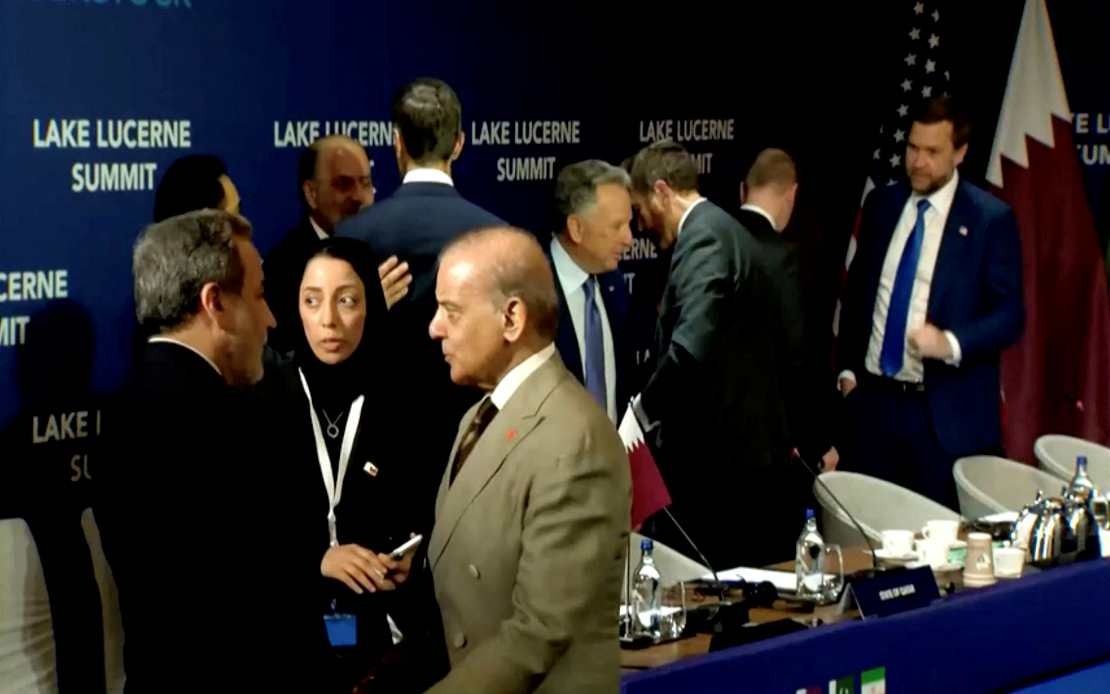
Beyond the sanctions question, discussions between the Iranian and Qatari delegations touched upon the release of frozen Iranian assets, another economically consequential issue that has long constrained Tehran's financial flexibility. The involvement of Qatar as a mediator and discussion partner emphasises the regional dimensions of these negotiations and Qatar's established role as an intermediary in Middle Eastern disputes. Asset unfreezing represents a significant financial relief measure that could provide Iran with capital for reconstruction and development projects.
The Islamabad Memorandum itself encompasses several interconnected commitments that expand well beyond bilateral matters. Its provisions include cessation of hostilities across all military fronts, normalisation of shipping through the Strait of Hormuz, and removal of the US naval blockade that has constrained Iranian maritime commerce and petroleum exports. Each element carries substantial implications for regional stability and international commerce, particularly affecting Southeast Asian nations that depend on free passage through strategic waterways.
For Malaysia and other Southeast Asian economies, the successful implementation of these accords could reshape regional geopolitics and energy markets substantially. The Strait of Hormuz remains critical to Asia-Pacific energy security, with significant volumes of crude oil and liquefied natural gas transiting through this chokepoint annually. Any stabilisation of the Iran-US relationship that reduces tension around this vital corridor offers tangible benefits for regional maritime commerce and energy prices.
The oil sanctions question carries particular weight given Iran's substantial petroleum reserves and production capacity. Temporary relief from oil export restrictions could modestly ease global crude supplies, potentially tempering price volatility that has affected Asian economies disproportionately. Malaysian petrochemical industries, refineries, and fuel-dependent sectors would benefit from more stable energy pricing, though the magnitude of impact depends on how comprehensively sanctions are actually lifted and how effectively enforcement mechanisms operate.
The conditioning of further memorandum provisions on a Lebanon settlement introduces an element of uncertainty that market participants and policymakers across the region will monitor closely. Lebanon's complex political economy and the involvement of multiple external actors mean that achieving durable peace there presents genuine obstacles. Should Lebanon negotiations stall, the broader Iran-US framework risks remaining incomplete, leaving existing sanctions regimes partially in place and prolonging economic uncertainty for businesses dependent on Iranian trade.
Pakistan's mediation role deserves emphasis, as it demonstrates how regional powers can exercise diplomatic influence even in disputes primarily involving extraregional actors. Successful conclusion of these negotiations would enhance Pakistan's standing as a facilitator of international dialogue, potentially opening space for Pakistani diplomacy to address other regional tensions. The mechanism of using Pakistani channels rather than direct bilateral engagement suggests both sides recognised the value of intermediaries in building confidence during highly sensitive negotiations.
The technical approach evident in these discussions, separating complex implementation issues from headline political agreement, reflects mature negotiating practice. By allowing technical experts to work through specific mechanisms for oil sanctions relief and asset releases, negotiators created space for progress on practical questions without requiring every detail to be resolved at the political level. This compartmentalisation often enables agreements that might otherwise founder over implementation minutiae.
The coming weeks will test whether the momentum generated in Switzerland translates into sustained progress on Lebanon and other regional security matters. Regional actors, international observers, and markets will scrutinise both the pace of implementation and any signs of backsliding. For Malaysia and the broader Southeast Asian region, successful conclusion of the Islamabad framework could represent a stabilising force in Middle Eastern affairs, reducing the likelihood of renewed escalation that could disrupt trade flows and energy security.

%22%2F%3E%3C%2Fpattern%3E%3C%2Fdefs%3E%3Crect%20width%3D%22100%25%22%20height%3D%22100%25%22%20fill%3D%22url(%23ph2ktr9g)%22%2F%3E%3Crect%20width%3D%22100%25%22%20height%3D%22100%25%22%20fill%3D%22url(%23ph2ktr9p)%22%2F%3E%3Ctext%20x%3D%2250%25%22%20y%3D%2250%25%22%20text-anchor%3D%22middle%22%20dominant-baseline%3D%22central%22%20fill%3D%22rgba(255%2C255%2C255%2C0.95)%22%20font-family%3D%22Georgia%2C%20'Times%20New%20Roman'%2C%20serif%22%20font-weight%3D%22700%22%20font-size%3D%22320%22%20letter-spacing%3D%22-0.02em%22%3EMuda%3C%2Ftext%3E%3C%2Fsvg%3E)