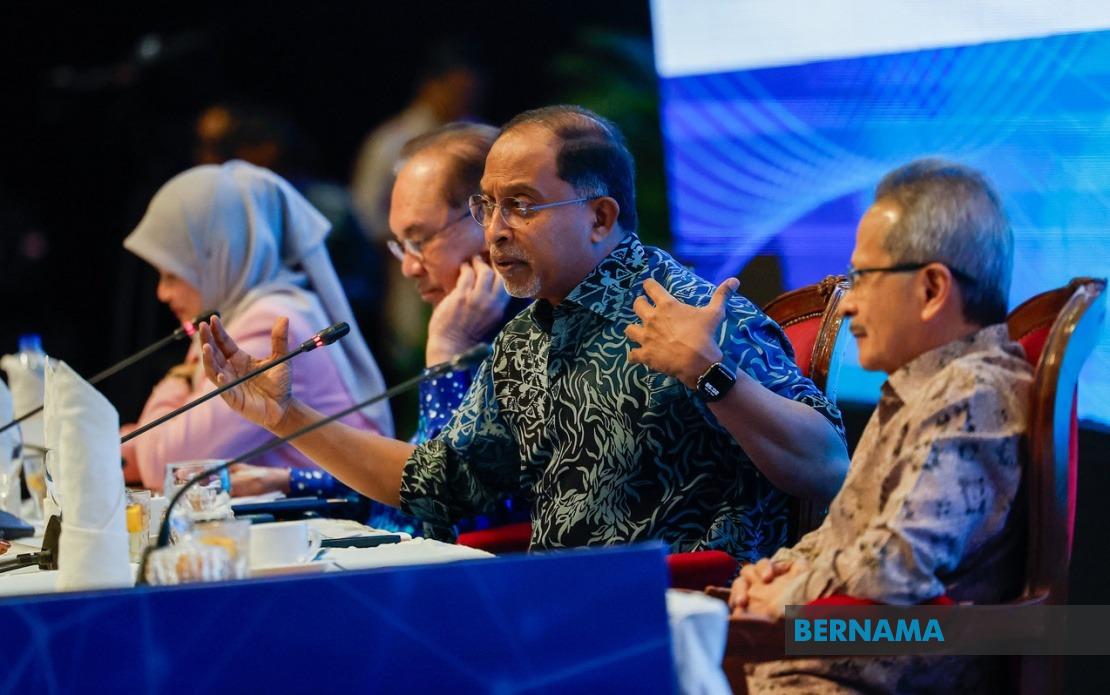
Datuk Seri Dr Zambry Abd Kadir, Malaysia's Higher Education Minister, has signalled the government's intention to undertake a comprehensive review of legislation governing tertiary education, most notably the Universities and University Colleges Act 1971 (AUKU), as part of efforts to modernise the sector. Speaking at the MADANI Malaysian Scholars Forum Series 13 on National Future Education and the AUKU at Dewan Tunku Chancellor, University of Malaya, Zambry emphasised that the current legal framework has become restrictive and no longer serves the needs of a contemporary education system.
The minister's remarks come amid growing discourse about the role of Malaysian universities in a rapidly evolving global landscape. Zambry acknowledged that previous constraints embedded in existing legislation have hindered institutional and student development, necessitating a strategic pivot toward regulatory modernisation. His emphasis on reviewing the legal architecture reflects broader concerns within policy circles that outdated statutes may be preventing institutions from competing effectively at the international level and from fostering the kind of intellectual dynamism that characterises leading universities worldwide.
A central concern driving the review is the need to guarantee academic freedom and freedom of expression within Malaysian universities. These principles have long been contentious in Malaysian higher education, with AUKU frequently cited as a mechanism that restricts campus discourse and student activism. By foregrounding academic freedom as a priority in any legislative overhaul, the ministry signals a philosophical shift toward viewing universities as spaces where intellectual exploration and robust debate are valued rather than constrained. This represents a meaningful departure from the regulatory approach that has characterised the sector for decades.
The Ministry of Higher Education is exploring the possibility of creating a unified legal framework through what officials are describing as a One Higher Education Act. Such consolidation would bring together disparate legislation that currently governs different aspects of tertiary education under a single, cohesive statute. This approach would potentially streamline regulatory compliance for institutions while creating opportunities to introduce contemporary standards around student empowerment, institutional autonomy, and academic integrity. The consolidation strategy reflects recognition that piecemeal amendments to existing laws may be insufficient to address systemic challenges.
To guide this ambitious legislative undertaking, an Independent Committee has been established to systematically collect and evaluate proposals from academics and student representatives. This consultative approach suggests that the government intends to ground any legislative changes in substantive feedback from stakeholders directly engaged in higher education. The committee's work is likely to generate considerable debate within the academic community, as different constituencies hold divergent views on which aspects of current regulation require modification and which should be preserved or strengthened.
Parallel to higher education reform, Education Minister Datuk Seri Fadhlina Sidek articulated the Ministry of Education's vision for reshaping primary and secondary schooling around what she termed a "humane education" approach. Rather than treating students as standardised units to be assessed through examination performance, this philosophy prioritises recognising each child's individual talents, emotional needs, and potential contributions to society. The ministry has operationalised this vision through initiatives such as Schools in Hospital, institutions within rehabilitation centres, and specialised K9 and K11 school models designed for Orang Asli students.
Fadhlina's framework challenges the prevalent examination-centric culture that has long dominated Malaysian education discourse. By asserting that the education system should develop "balanced, visionary individuals who have mental resilience and strong moral values," the minister pushes back against the narrow instrumentalisation of education as primarily a mechanism for producing workforce-ready graduates. This reconceptualisation carries implications for how student success is measured, how curricula are designed, and how educational institutions allocate resources.
The expansion of pre-school access on a free or subsidised basis demonstrates commitment to ensuring educational equity from the earliest developmental stages. By reducing financial barriers to early childhood education, the government aims to level the playing field for children from disadvantaged backgrounds, recognising that disparities in early educational exposure compound significantly over time. This investment reflects understanding that truly equitable education systems must address not merely access at secondary or tertiary levels, but also the formative experiences of young children.
The concurrent articulation of these agendas by both higher education and education ministries suggests a whole-of-system approach to educational reform. Modernising university legislation and expanding access to basic education are complementary initiatives reflecting a shared philosophical commitment to broadening educational opportunity and intellectual freedom across all levels. However, the success of these initiatives will depend significantly on resource allocation, implementation capacity, and whether political commitment remains stable across electoral cycles.
For Malaysian society, these reforms carry substantial implications. Universities that operate under modernised frameworks with genuine academic freedom may prove more attractive to both domestic and international talent, potentially enhancing Malaysia's position in global higher education rankings and research output. Simultaneously, an education system prioritising holistic development and individual potential could yield citizens better equipped to navigate complex social and economic challenges. Southeast Asian peers observing Malaysia's education sector reforms may similarly consider legislative modernisation as part of broader competitiveness strategies.
Yet significant implementation challenges remain. Regulatory reform requires not merely legislative amendment but also attitudinal shifts among administrators, faculty, and government actors accustomed to existing governance structures. Resistance to change, whether from institutional interests or conservative constituencies, could slow progress. Additionally, ensuring that reforms translate into tangible improvements in educational quality and opportunity requires sustained funding and technical capacity that may prove elusive in Malaysia's current fiscal environment.
The forum at which these announcements were made, attended by Prime Minister Datuk Seri Anwar Ibrahim in a moderating capacity, underscores the apparent priority attached to education reform within the current government's agenda. This level of executive engagement suggests that legislative changes may advance more rapidly than historical patterns would predict. Nonetheless, the transformation of Malaysia's higher education and basic education systems remains a multi-year undertaking requiring coordination across multiple ministries, sustained stakeholder engagement, and political will to weather inevitable opposition and setbacks.

