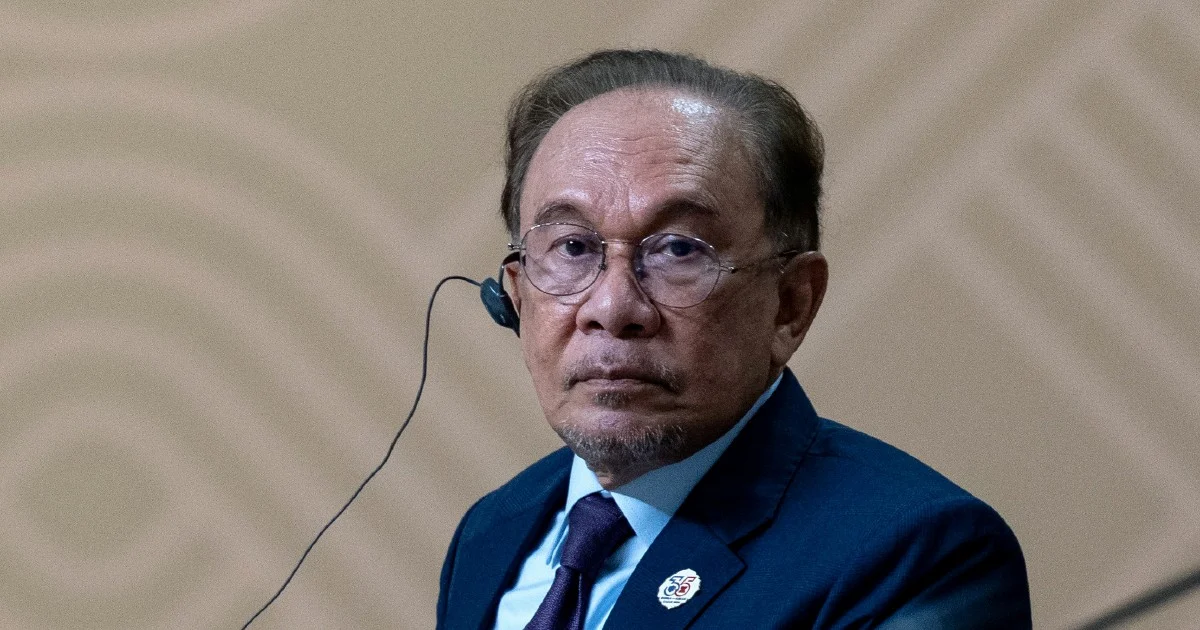
A Malaysian High Court has made the unusual decision to discharge a subpoena that would have compelled Prime Minister Datuk Seri Anwar Ibrahim to give testimony in a RM30 million civil dispute centring on businessman Datuk Vinod Balachandra Sekhar and his wife. The ruling underscores the delicate balance courts must strike when the sitting prime minister becomes entangled in private litigation, weighing the demands of justice against the operational requirements of high political office.
The case itself represents one of the periodic civil disputes that emerge from Malaysia's complex business landscape, where substantial financial stakes often intersect with personal relationships and contractual obligations. The RM30 million value attached to this particular suit positions it among the more material civil claims that periodically work their way through the country's court system, suggesting the underlying transaction or arrangement involved significant commercial undertakings.
Court decisions touching on the appearance and testimony of sitting heads of government remain relatively uncommon in Malaysia's judicial history, making this ruling noteworthy for the precedent it potentially establishes. The High Court's action reflects existing jurisprudence that recognises the unique position occupied by prime ministers in managing national affairs, while simultaneously maintaining that the judicial system must function independently without undue interference or exemptions that could undermine the rule of law.
For Malaysian legal observers, the decision highlights how courts navigate competing principles when high office holders become enmeshed in private disputes. The court system has previously grappled with questions surrounding executive immunity and ministerial accountability, though typically in contexts involving official conduct rather than private commercial matters. This case presents a somewhat different scenario, as the subpoena relates to the Prime Minister's potential knowledge of transactions or events that occur outside the scope of his governmental responsibilities.
The implications for business and commercial law in Malaysia deserve consideration. When substantial civil disputes involve potential testimony from figures of Anwar Ibrahim's stature, claimants and defendants alike must contend with the practical reality that courts may ultimately determine that securing such testimony is neither necessary nor appropriate. This consideration might influence how Malaysian businesses structure contractual relationships and dispute resolution mechanisms, particularly when dealings might eventually involve politically prominent individuals.
The businessman at the centre of the dispute, Datuk Vinod Balachandra Sekhar, has been involved in various commercial ventures across Southeast Asia. His inclusion alongside his wife in the civil suit suggests the matter may involve jointly held assets or shared financial interests, a common feature in civil cases involving family-controlled enterprises or joint business endeavours. The RM30 million quantum indicates serious financial consequences hang in the balance for the defendants.
Within Malaysia's political context, the ruling carries symbolic weight beyond its narrow legal question. Anwar Ibrahim's government has emphasised strengthening institutional independence and the rule of law after a turbulent political period marked by court cases affecting multiple political figures. By setting aside the subpoena, the court arguably demonstrates that no individual—including the Prime Minister—operates entirely beyond the reach of judicial process, whilst simultaneously recognising practical constraints on compelling testimony from those holding the highest executive office.
The legal principle underpinning such decisions typically rests on whether witness testimony is genuinely essential to establishing material facts in dispute. Courts conducting this analysis must weigh whether alternative evidence might address the same factual questions, or whether other witnesses can testify to matters the Prime Minister might otherwise address. If the High Court concluded that Anwar Ibrahim's evidence was not critical to resolving the central disputes, discharging the subpoena becomes the appropriate outcome.
Such rulings also reflect international practice regarding heads of government and court processes. Many jurisdictions have developed doctrines of executive privilege or immunity specifically designed to protect national governance from disruption while preserving the legitimacy of legal proceedings. Malaysia's High Court decision arguably reflects sensitivity to these global standards whilst ensuring the discharge order does not provide blanket protection for the Prime Minister in all circumstances.
Looking ahead, the case demonstrates how Malaysia's commercial disputes continue to evolve in complexity and profile as the business environment becomes increasingly sophisticated. For legal practitioners advising clients in large-value disputes, the ruling serves as a reminder that securing testimony from high-profile public figures cannot be assumed as a procedural matter, even when such individuals possess potentially relevant knowledge.
The outcome also reflects broader questions about how courts should respond when litigation requires the time and attention of sitting prime ministers. Malaysia's judicial system must accommodate the reality that the nation's chief executive officer requires substantial time for governmental duties, creating genuine tension between litigants' rights to compel testimony and the operational necessities of prime ministerial office.
As the civil suit progresses, the parties will presumably continue with whatever evidence remains available to them. The High Court's decision suggests that the RM30 million dispute can proceed through the normal course of litigation without requiring the Prime Minister's direct involvement, indicating that adequate alternatives exist for establishing the necessary facts and circumstances underlying the commercial disagreement.