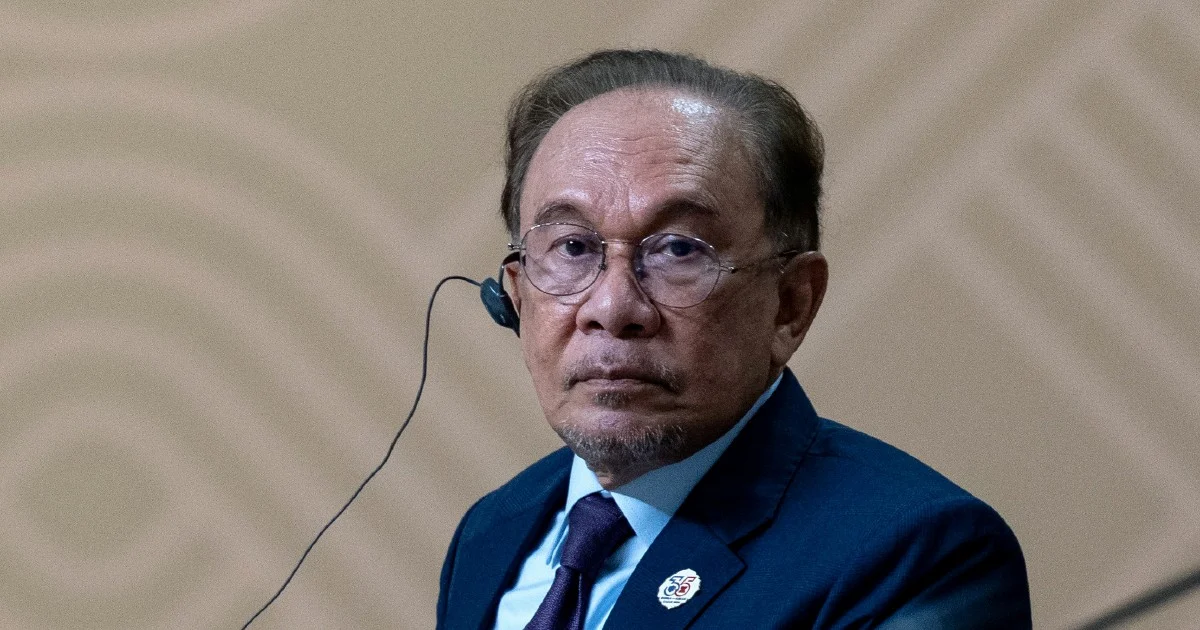
The High Court in Kuala Lumpur has ruled in favour of Prime Minister Datuk Seri Anwar Ibrahim's application to overturn an earlier order mandating his appearance as a witness in a RM30 million civil litigation matter. The decision represents a significant legal milestone, as it addresses the delicate balance between judicial authority and executive privilege in Malaysia's constitutional framework, particularly when the sitting Prime Minister becomes entangled in civil proceedings.
The lawsuit in question names Vinod Sekhar as the defendant, and the dispute centres on commercial or financial matters valued at RM30 million. The original subpoena had compelled Anwar to attend court and provide testimony, a development that raised constitutional questions about whether a Prime Minister can be obligated to abandon state business to participate in civil litigation. Such matters rarely reach the courts, making this judgment noteworthy for clarifying the legal boundaries surrounding the nation's chief executive.
Anwar's legal team mounted a challenge to the subpoena on grounds that require careful examination within Malaysia's legal context. The Prime Minister's office typically argues that such obligations could impede the conduct of national governance and that sitting heads of government should enjoy certain protections from civil court processes. The High Court's decision to grant the application suggests the bench found merit in these arguments, or alternatively, determined that other means of obtaining necessary evidence existed that would not compromise executive functions.
The judgment carries implications extending beyond Anwar's personal circumstances. It establishes precedent regarding how Malaysian courts will treat future requests for testimony from sitting Prime Ministers or other high-ranking constitutional office holders. This clarification matters significantly in a nation where the executive branch and judicial system occasionally find themselves in tension, particularly during periods of political complexity or when civil claims involve government figures.
From a governance perspective, the ruling acknowledges that the Prime Minister's role demands continuous attention to state affairs, cabinet meetings, international diplomacy, and parliamentary sessions. Requiring the nation's top official to absent himself from such responsibilities to testify in civil cases could theoretically undermine effective administration. The High Court's decision reflects judicial recognition of these practical realities, though balancing them against citizens' rights to pursue legitimate legal claims remains a delicate exercise.
The RM30 million value of the dispute suggests substantial financial or commercial stakes for the parties involved, making the inability to compel the Prime Minister's testimony a consequential outcome for the defendant or plaintiff seeking his account of events. Nonetheless, courts often permit witness testimony through other mechanisms, including written statements, video depositions, or evidence submitted through legal representatives, though such alternatives may lack the immediacy and credibility of direct examination.
Anwar's exemption from testifying should not be interpreted as blanket immunity from the civil justice system. Prime Ministers in various jurisdictions face civil litigation, and the question of testimony specifically differs from broader questions about executive liability. The court's distinction between requiring the Prime Minister to testify and the underlying merits of the civil case itself remains important—the lawsuit against Vinod Sekhar proceeds, though without Anwar's direct testimony.
This development occurs within Malaysia's broader political and legal environment, where Anwar has navigated numerous challenges since assuming office. His administration has faced scrutiny over various matters, and high-profile litigation involving figures connected to government has featured prominently in Malaysian headlines. The High Court's ruling thus becomes part of a larger mosaic of legal decisions shaping the contours of executive accountability in contemporary Malaysia.
The implications for Malaysian jurisprudence merit consideration. Courts worldwide grapple with questions of executive privilege and witness obligations, with different constitutional democracies reaching varying conclusions. Malaysia's High Court has now signalled that it recognises limits to compelling Prime Ministerial testimony in civil matters, a position that some may view as appropriately protecting executive function and others may see as creating excessive insulation from accountability.
For litigants and their legal representatives, the judgment suggests that claims involving high-ranking government figures require careful strategic planning. Identifying alternative sources of evidence and preparing cases that can proceed without direct testimony from sitting Prime Ministers becomes essential, as courts appear inclined to respect such exemptions. This may influence how complex commercial disputes involving government connections are structured and pursued through Malaysia's legal system.
The broader question of how democracies balance judicial oversight with executive necessity remains unresolved in absolute terms. Anwar's exemption from testifying does not represent the final word on executive accountability in Malaysia, but rather one particular judicial determination about witness obligations. Future cases will likely continue testing these boundaries, particularly if civil claims become more commonplace against sitting government officials.
Moving forward, this ruling may encourage development of alternative mechanisms for obtaining testimony from serving Prime Ministers and other constitutional office holders. Courts, legislatures, and executive branches across the Commonwealth and beyond continue exploring protocols that preserve both judicial integrity and governmental efficiency. Malaysia now has a judicial statement on where its courts stand on this particular issue, though practical refinement of the principle will inevitably follow.

