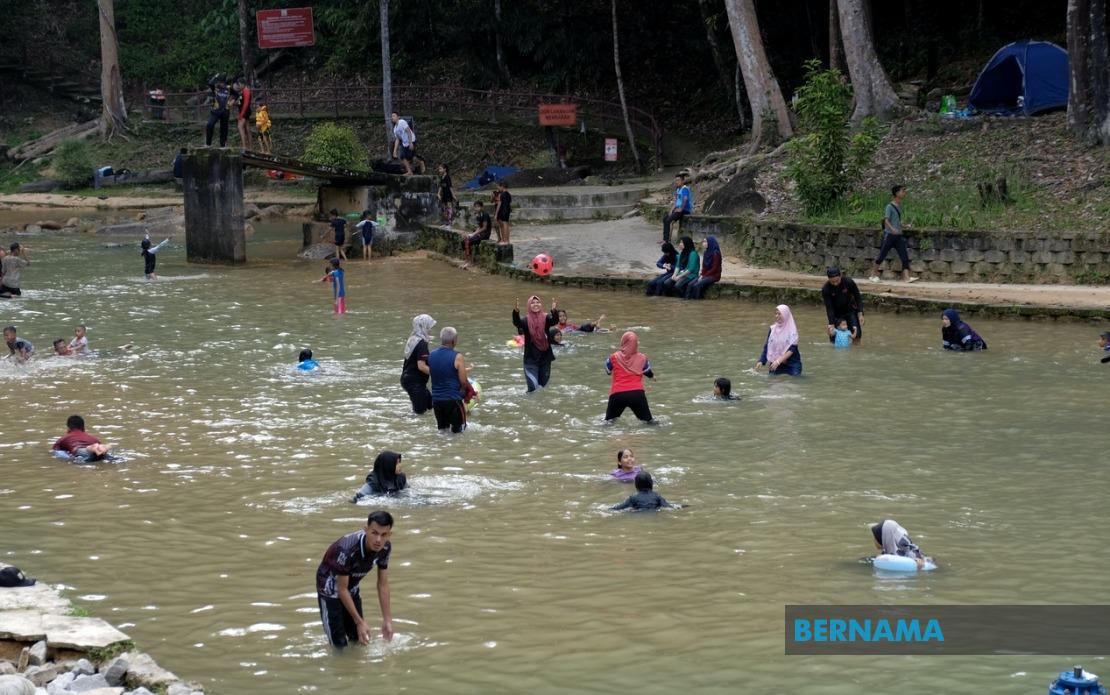
The Pahang State Health Department has launched a formal investigation into allegations that multiple visitors to a recreational area near Bentong experienced acute gastroenteritis symptoms—including diarrhoea, vomiting, and fever—following immersion in a river. The preliminary inquiry, carried out through the department's existing disease surveillance mechanisms, found no recorded notifications of food poisoning incidents or unusual spikes in gastroenteritis cases reported through standard health monitoring channels, according to a statement released on June 17.
Water quality assessment teams collected raw samples from several points along Sungai Benus in Janda Baik on June 14 to conduct microbiological testing, though laboratory results remain pending. Significantly, no cases have been epidemiologically confirmed as connected to the reported incident, despite the circulation of visitor complaints. This distinction between unconfirmed visitor reports and verified health surveillance data is crucial for understanding the scope of the potential problem and distinguishing between genuine public health risks and isolated occurrences.
The health department's response reflects a measured, science-based approach involving multiple investigative pathways simultaneously. Active case detection protocols have been activated to identify any individuals who may have contracted waterborne illnesses at the site. Epidemiological investigators are attempting to trace the source of contamination and identify specific exposure routes and contributing factors. Concurrently, environmental risk assessments are examining the recreational area's sanitation infrastructure, water supply integrity, and sewage management systems to pinpoint potential pollution sources.
Enhanced surveillance has been implemented across government and private healthcare facilities in surrounding areas to detect whether gastroenteritis cases cluster geographically or temporally in ways that suggest a common exposure event. This expanded monitoring network serves as an early warning system should additional cases emerge with clear epidemiological links to the Bentong recreational activities. The department is collaborating with relevant environmental and water management agencies to conduct comprehensive water quality assessments and identify pollution sources, ensuring that control measures are appropriately targeted and evidence-based.
For Malaysian readers, this incident underscores the persistent challenges of waterborne disease transmission in recreational settings across the region. Rivers and natural swimming areas, while culturally significant leisure destinations, present genuine microbiological hazards when sanitation infrastructure is inadequate or maintenance standards lapse. The Bentong situation echoes similar outbreaks documented elsewhere in Southeast Asia, where recreational waters have been contaminated by inadequate sewage treatment, agricultural runoff, or animal waste. The timing of investigations—sampling occurring days after the alleged incident—also highlights how delays in identifying and responding to outbreak claims can complicate epidemiological investigations.
The Pahang health authority has explicitly advised public visitors experiencing gastrointestinal symptoms following river recreation to seek immediate medical evaluation and treatment at nearby healthcare facilities. This public health messaging is essential for ensuring that actual cases, should they exist, are properly documented within surveillance systems rather than remaining as private reports circulating through social networks. Early medical intervention also improves individual outcomes by enabling prompt rehydration therapy and treatment of secondary complications from acute gastroenteritis, which can be severe in vulnerable populations including young children and elderly visitors.
Operators of recreational facilities and lodging establishments have been directed to ensure their sanitation facilities, potable water supplies, and sewage systems meet all public health standards and receive regular maintenance. This responsibility extends beyond regulatory compliance; it represents an acknowledgement that environmental conditions directly shape disease transmission risk. Poorly maintained facilities in tourist-dependent areas like those near Bentong can rapidly become liability concerns if maintenance lapses lead to outbreaks that deter future visitors and generate negative publicity. The health department's emphasis on facility operator compliance suggests that initial investigations may have identified deficiencies warranting remediation.
The Ministry of Health has pledged to maintain close monitoring of the situation and release updates as epidemiological investigations progress and laboratory analyses conclude. This commitment to transparency stands in contrast to the public speculation circulating through social media channels, which the ministry has advised against. Managing public perception during emerging health investigations requires balancing the need for timely information with the imperative to avoid causing unnecessary alarm before evidence is conclusive. In an era of rapid information dissemination through digital platforms, this balance becomes increasingly difficult; social media can amplify anecdotal reports into perceived crises even when official surveillance systems detect no unusual patterns.
For regional public health observers, the Bentong investigation demonstrates the complexity of confirming waterborne disease outbreaks in settings where affected individuals may not seek immediate medical care or may attribute symptoms to other causes. Recreational visitors experiencing mild gastroenteritis symptoms might self-treat at home or simply assume they consumed contaminated food at a restaurant, never reporting their illness through formal health channels. This reporting gap means that official surveillance data—which forms the foundation for public health response decisions—systematically undercounts milder cases. Only through active case detection, community engagement, and cross-referencing multiple data sources can health departments approach a more complete understanding of outbreak magnitude.
The incident also raises questions about the adequacy of water quality monitoring at high-traffic recreational sites throughout Malaysia. While the Pahang health department has activated appropriate response mechanisms for this specific situation, it prompts consideration of whether preventive surveillance should be expanded to include regular microbiological testing at popular bathing areas. Proactive water quality monitoring could identify contamination before visitor exposure occurs, shifting from reactive outbreak investigation to preventive public health practice. Such strategies, implemented in some developed nations, remain aspirational in much of Southeast Asia due to resource constraints and competing priorities.
As investigations proceed and laboratory results are released, the Bentong situation will provide valuable lessons about outbreak detection, risk communication, and interagency coordination in Malaysia's public health system. Whether the incident represents a genuine waterborne pathogen exposure event or isolated cases coincidentally attributed to recreational water exposure will ultimately be determined by epidemiological and microbiological findings. Regardless of the outcome, the case demonstrates how quickly unconfirmed health reports can escalate into major public concerns, underscoring the importance of rapid, transparent communication from official health authorities to counter speculation and maintain public confidence in disease surveillance systems.