The HAWANA 2026 Summit, which opened in Butterworth this week, features a specially curated photo exhibition that traces the journey of Malaysia's National Journalists' Day from its inception in 2018 through to the present day. The gallery serves as both a historical record and a tribute to the beneficiaries of Tabung Kasih@HAWANA, a welfare fund established to support media practitioners confronting health crises and financial hardship. Set up at the PICCA Convention Centre @ Arena Butterworth, the exhibition represents an effort to document and celebrate a significant initiative within Malaysia's journalism community that has operated largely behind the scenes.
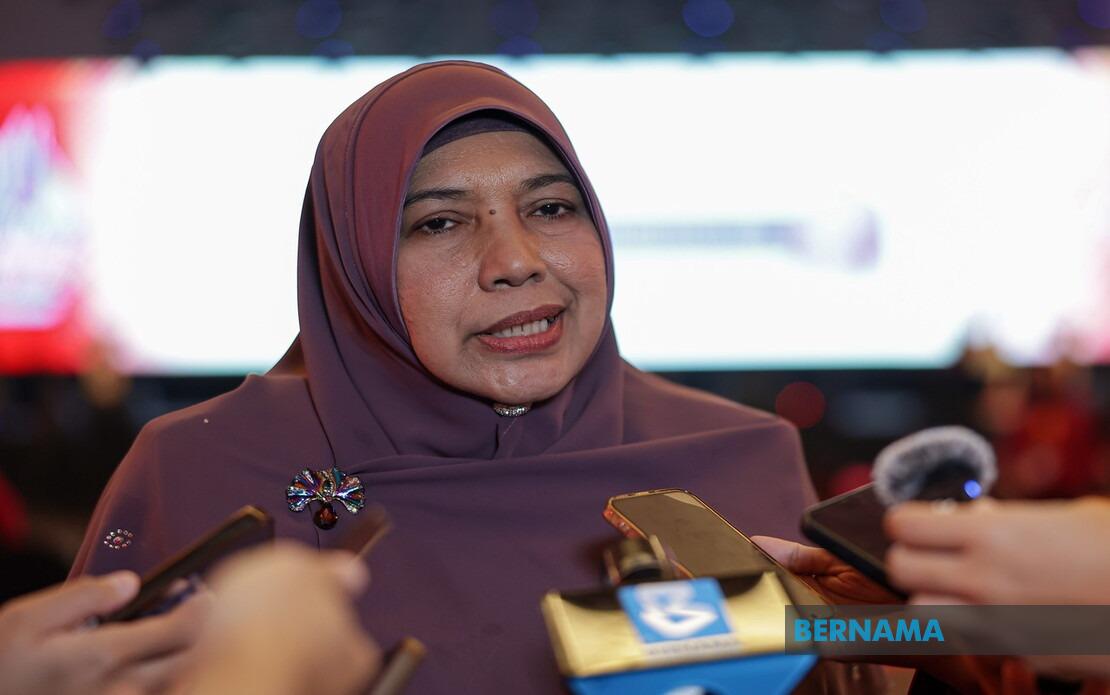
According to Datin Paduka Nur-ul Afida Kamaludin, chief executive officer of the Malaysian National News Agency (Bernama), the gallery is structured around two interconnected themes. The first segment chronicles the development and milestones of HAWANA across its eight annual celebrations, providing visual documentation of how the event has evolved as a platform for the media industry. The second segment focuses on the human dimension—the stories and circumstances of individuals who have received financial support from Tabung Kasih@HAWANA, illustrating the tangible impact this welfare mechanism has achieved within the journalism profession. Nur-ul Afida, who also chairs the HAWANA 2026 Working Committee, emphasized that this exhibition performs an essential function in making visible Bernama's role as both the secretariat managing the aid fund and the coordinating agency behind the celebration itself.
The significance of this exhibition extends beyond mere commemoration. By presenting these narratives in a structured gallery format, Bernama seeks to elevate public awareness of how the journalism industry supports its own members during periods of vulnerability. Nur-ul Afida noted that the primary objective is to demonstrate media appreciation and gratitude for journalists' sustained participation in HAWANA celebrations designed specifically to honour their profession. However, equally important is showcasing the concrete outcomes of Tabung Kasih@HAWANA—how institutional frameworks can effectively address the welfare challenges facing veteran journalists and those navigating health-related difficulties. This approach transforms what might otherwise remain an abstract initiative into a narrative of tangible human impact.
The curation process underwent careful scrutiny to ensure historical accuracy and contextual clarity. Mohamad Bakri Darus, editor of the Bernama Photo Desk, explained that the photograph selection involved meticulous evaluation by the Bernama team. Each image is accompanied by bilingual captions in both Malay and English, facilitating comprehension across Malaysia's diverse readership while ensuring that contextual details are readily accessible to visitors. This bilingual approach reflects Bernama's recognition that the journalism profession encompasses practitioners and stakeholders from multiple linguistic communities, and that documentation of the industry's collective efforts should remain equally accessible to all.
Geographically, the exhibition traces HAWANA's journey across Malaysia, with the summit's itinerary reflecting the event's national character and regional reach. Previous iterations have been held in Kuala Lumpur (twice, in 2018 and 2025), Melaka (2022), Ipoh in Perak (2023), and Kuching in Sarawak (2024). This geographic dispersal demonstrates that HAWANA has evolved from a centralized initiative into a celebration that actively engages the journalism community across different states and regions. Each venue brought unique local dimensions to the event while maintaining the core purpose of honouring journalists and their contributions to Malaysian media.
The exhibition documents the substantive programming that characterizes HAWANA celebrations. Featured components include the Strategic Partner Meeting, which facilitates dialogue between media organizations and stakeholders; the Media Forum, providing platforms for industry discussion; the HAWANA-DBP Pantun Festival, which celebrates Malay literary traditions; the HAWANA Carnival and Exhibition, offering broader public engagement; and HAWANA Sports, fostering camaraderie among practitioners. These diverse programme elements reveal that HAWANA operates as a comprehensive celebration encompassing professional development, cultural appreciation, welfare support, and community building. The range of activities underscores that the event is designed to address multiple dimensions of journalists' professional and personal experiences.
The opening of HAWANA 2026 carries additional institutional significance given that the summit was scheduled to be officially inaugurated by Prime Minister Datuk Seri Anwar Ibrahim. This level of national leadership involvement signals government recognition of journalism's importance to Malaysia's democratic and informational infrastructure. The Prime Minister's presence at the opening ceremony communicates that media practitioner welfare and the recognition of journalism's societal contributions constitute matters of national interest requiring high-level political acknowledgment. Such endorsement potentially strengthens the standing of initiatives like Tabung Kasih@HAWANA and reinforces the principle that government and media institutions share common interests in supporting the sustainability of a healthy journalism ecosystem.
For Malaysian and regional media observers, the HAWANA exhibition model offers instructive lessons in institutional memory-keeping and professional welfare. The intersection of historical documentation with contemporary benefit demonstration creates a compelling narrative about sectoral responsibility. By visibly connecting HAWANA's evolution with the welfare outcomes achieved through Tabung Kasih@HAWANA, the exhibition argues implicitly that professional celebrations need not remain ceremonial occasions divorced from substantive impact. Instead, they can function as integrated platforms where recognition of professional contributions becomes inseparable from tangible support mechanisms addressing practitioner vulnerability.
The deliberate choice to establish this gallery during the 2026 summit also reflects broader awareness that journalism in Malaysia faces evolving challenges requiring both institutional and societal support. Journalists confronting health crises or financial difficulties represent not merely individual cases but symptoms of structural vulnerabilities within the profession. By elevating these stories through exhibition, HAWANA 2026 implicitly advocates for continued institutional commitment to journalist welfare at a moment when media sustainability increasingly concerns stakeholders across the region. The exhibition thus transcends its documentary function, potentially serving as a advocacy tool for sustaining and strengthening journalist support mechanisms.
The bilingual curation and the deliberate inclusion of beneficiary narratives distinguish this exhibition from conventional historical displays. Rather than presenting HAWANA as an abstract institutional achievement, the gallery foregrounds the human dimension—the journalists whose circumstances changed because of Tabung Kasih@HAWANA support. This person-centered approach renders the welfare fund's impact immediately visible and emotionally resonant, potentially generating increased appreciation for the mechanisms that enable such assistance. For journalism communities across Southeast Asia observing Malaysia's approach to journalist welfare, this exhibition methodology demonstrates how institutional commitment can be effectively communicated through carefully curated visual narrative.
As Malaysia's media landscape navigates increasingly complex operational and financial environments, initiatives like HAWANA and Tabung Kasih@HAWANA assume heightened importance. The 2026 summit's exhibition affirms that the journalism profession maintains internal mechanisms for recognizing professional contributions and supporting members facing hardship. This capability for self-organization and mutual support strengthens journalism's institutional resilience. By documenting and celebrating these mechanisms through the photo gallery, HAWANA 2026 contributes to a broader narrative about how professional communities can sustain themselves through periods of challenge while maintaining their commitment to public service and information provision.

