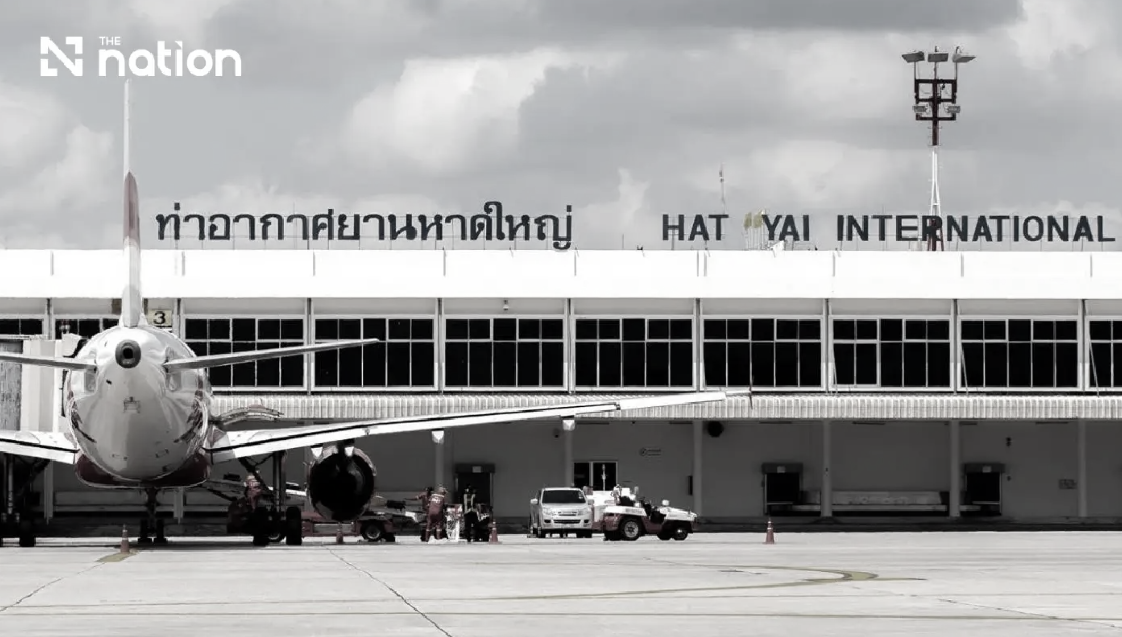
Hat Yai International Airport in southern Thailand's Songkhla Province shut down one of its critical runways on Wednesday afternoon following an accident involving airport emergency equipment, creating significant disruption to flight schedules and forcing multiple aircraft to seek alternative landing sites. The incident, which unfolded around mid-afternoon local time, prompted authorities to issue a formal aviation notice restricting access to Runway 26 for nearly three hours as they managed the emergency zone.
Airport officials declared Runway 26 unusable from 1:55pm until 4:30pm on June 17, citing safety concerns as the primary reason for the extended closure. During this window, the airport's capacity to receive incoming aircraft dropped substantially, creating a bottleneck for regional air traffic. The decision to ground one runway at Hat Yai, which serves as a major hub connecting southern Thailand to domestic and regional destinations, reflected the severity of the safety hazard posed by the fire engine accident and the debris or damage it may have caused to the runway surface or surrounding infrastructure.
At least two commercial flights confirmed diverted operations to Krabi Airport, located approximately 100 kilometres northwest of Hat Yai. Thai Airways International flight TG263 and Thai Lion Air flight SL712 both changed their destinations en route, according to Flightradar24 flight-tracking data captured during the incident window. The diversions meant that passengers bound for Hat Yai faced unexpected routing changes, longer journey times, and the logistical challenges of deplaning at an unplanned airport before potentially completing their travel via ground transport or rebooking on subsequent flights.
Passengers affected by the disruption faced uncertainty during the critical hours of the closure. Airlines advised travellers to monitor their flight status closely, as the airport could not guarantee when normal operations would resume or how the incident might cascade into secondary delays affecting other services throughout the afternoon and evening. The temporary nature of the closure provided some reassurance, but passengers with connections or time-sensitive travel plans faced potential complications that extended well beyond the official three-and-a-half-hour window.
The airport's communication regarding the incident initially remained vague, with staff providing minimal detail when queried by concerned passengers or their relatives. One traveller attempting to gather information about the situation reported that Hat Yai Airport staff acknowledged an emergency had occurred but declined to elaborate on the specifics of what had transpired. This measured public communication approach is typical for airport authorities managing active incidents, as detailed information may still be incomplete during the response phase and could create additional confusion or concern among the flying public.
Thai Airways flight TG263 ultimately completed its journey safely by landing at Krabi Airport, where passengers disembarked and faced the prospect of continuing to their original destination either by ground transport or by rebooking on subsequent flights to Hat Yai. The alternative airport, while equipped to handle the diverted traffic, operates on a smaller scale than Hat Yai and may have had limited immediate availability for accommodating these additional aircraft and passengers. Such diversions typically strain resources at secondary airports that are suddenly pressed into service as contingency hubs.
The incident highlights the vulnerability of regional airport operations to unexpected equipment failures and the cascading effects such incidents can produce across the broader aviation network. Hat Yai Airport, as a critical infrastructure hub serving southern Thailand and cross-border traffic from Malaysia and Brunei, operates with relatively limited runway capacity compared to larger metropolitan airports. The loss of a single runway, even temporarily, significantly constrains the facility's ability to manage regular traffic flows, making regional airports particularly susceptible to operational disruptions.
For Malaysian travellers and businesses with connections through Hat Yai, such incidents underscore the importance of maintaining flexibility in travel planning and remaining alert to potential service disruptions. Hat Yai serves as a convenient transit point for visitors accessing southern Thai attractions and onward connections to other Southeast Asian destinations. However, the airport's smaller scale compared to major regional hubs means that operational incidents can produce more noticeable impacts on schedules and passenger flows.
The closure also reflects broader systemic considerations around airport safety and emergency response protocols. The presence of a fire engine on or near the runway during normal operations suggests that the vehicle was responding to a legitimate safety concern, though the details of what triggered that response remained undisclosed. The subsequent accident involving the emergency vehicle itself created an ironic situation in which the solution to one potential hazard inadvertently created a separate disruption requiring its own management and response.
Airport authorities' decision to extend the closure period beyond the initial incident duration demonstrates a precautionary approach to runway safety. Ensuring that the surface was fully inspected, cleared of any debris, and certified as secure before resuming flight operations prioritises passenger safety over schedule optimization. This conservative stance reflects international aviation standards, which typically require thorough assessment before returning critical infrastructure to service following any unusual incident.