Johor is set to strengthen its position as a regional education hub through an ambitious partnership with Harvard University that brings the prestigious Program for Scientifically-Inspired Leadership to the state's secondary schools. The initiative, which will commence in January 2027, represents a significant step in internationalising science education at the grassroots level, with approximately 100 carefully selected students expected to participate in the first phase of implementation.
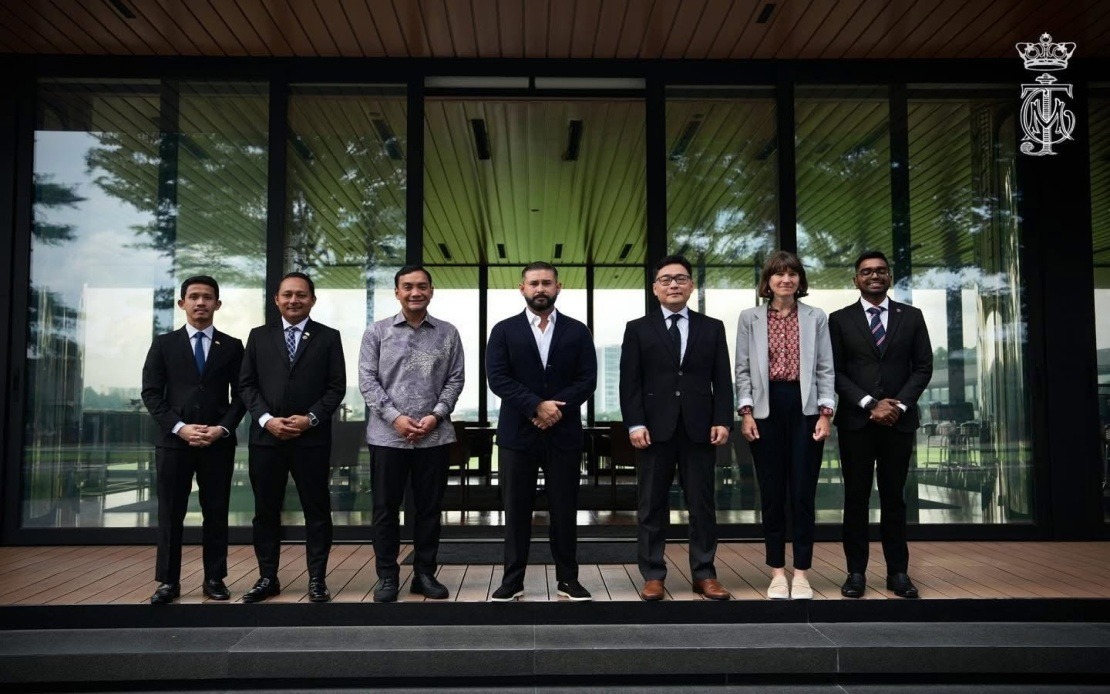
The collaboration was formalised through a recent meeting between Johor's Regent, Tunku Mahkota Ismail, and a Harvard delegation that included Dr Dominic Mao, assistant director of Undergraduate Studies and a lecturer in Molecular and Cellular Biology, alongside Dr Andrea Wright, assistant dean of Harvard College. This high-level engagement underscores the commitment from both the state government and the American institution to establish a meaningful educational exchange that goes beyond superficial international partnerships.
According to Aznan Tamin, chairman of the State Education and Information Committee, the program's architecture centres on cultivating the skills most sought after in a rapidly evolving global economy. The emphasis on active learning moves away from passive knowledge transmission, instead encouraging students to engage directly with scientific concepts through experimentation and discovery. Critical thinking forms the foundation of this approach, preparing students to analyse problems systematically and propose evidence-based solutions rather than accepting information uncritically.
The two pilot institutions selected for the initial rollout—SMK Tasek Utara and SMK Seri Kota Puteri 2—will serve as testbeds for this pedagogical innovation. By concentrating the programme at these schools, education authorities can carefully monitor implementation, gather comprehensive feedback, and refine the curriculum before potential expansion to other Johor institutions. This methodical approach minimises disruption while maximising the quality of educational delivery.
Beyond direct student engagement, the programme allocates significant resources to teacher development, with 40 educators from Sekolah Rintis Bangsa Johor scheduled to participate in active learning pedagogy workshops. This investment in the teaching workforce is crucial, as even the most innovative curriculum requires skilled facilitators to flourish in the classroom. By equipping teachers with contemporary instructional methods that prioritise student-centred learning, the partnership multiplies its impact across subsequent cohorts of learners.
PSIL itself was established by Harvard in 2019, reflecting the university's commitment to nurturing scientifically literate leaders who can tackle complex global challenges. The programme's framework aligns closely with Malaysia's broader educational aspirations, particularly the emphasis on STEM skills at a time when technology-driven sectors increasingly dominate employment opportunities. For Johor students, exposure to Harvard's pedagogical standards creates a competitive advantage in pursuing higher education scholarships and international career pathways.
Sekolah Rintis Bangsa Johor's existing educational philosophy demonstrates considerable synergy with PSIL's objectives. The institution already prioritises English language proficiency without diminishing Malay language competency, recognising that bilingual competence is an asset in Malaysia's multicultural context. This balanced approach, combined with its focus on STEM mastery, personality development, and student employability, creates an ideal environment for Harvard's programme to take root and flourish.
The integration of international-standard competency assessments represents another significant dimension of this partnership. Malaysian students typically excel in conventional examinations but may lack exposure to assessment methodologies employed in leading universities worldwide. By familiarising them early with these evaluation frameworks, the partnership helps bridge a gap that often emerges when Malaysian graduates transition to overseas tertiary institutions, reducing the adjustment period and enhancing their capacity to compete globally.
For the broader Southeast Asian region, this initiative signals an important trend: elite international universities are increasingly investing in direct engagement with secondary education systems rather than waiting for students to arrive at the tertiary level. This shift acknowledges that by secondary school, the foundational attitudes toward science and learning have largely crystallised, and intervention at this stage can shape career trajectories and academic trajectories more profoundly. Johor's willingness to pioneer such arrangements positions it as a test case for other Malaysian states considering similar international partnerships.
The state government's strategic networking through this partnership extends beyond academics into soft power and international relations. When institutions like Harvard establish roots in a region, they serve as ambassadors for educational excellence and research opportunities, gradually building awareness and aspiration among local stakeholders. Over time, this can facilitate collaboration in areas beyond education, including research initiatives and technology transfer.
Implementation timelines deserve scrutiny, particularly given that January 2027 is approximately 18 months away from the announcement. Sufficient time exists for curriculum alignment, teacher training, and logistical arrangements, yet the relatively compressed timeline demands efficient project management. Success will depend partly on whether Harvard can adapt its programme meaningfully to the Malaysian context without diluting its core principles, and whether the selected students receive adequate preparation to derive maximum benefit from a curriculum designed for an American audience.
Looking forward, questions naturally arise about sustainability and scaling. If the initial cohort achieves positive outcomes, will the programme expand to more schools, and if so, how will quality be maintained? Will successful PSIL participants form a alumni network that continues to influence Johor's educational landscape? These questions remain unaddressed in the current announcement but merit consideration as the partnership develops.
Ultimately, this collaboration represents a confidence vote in Johor's capacity to absorb and implement world-class educational innovations. By opening students to scientifically-inspired leadership frameworks at an early stage, the partnership invests in human capital that may subsequently fuel innovation, entrepreneurship, and professional excellence throughout the state and region.

