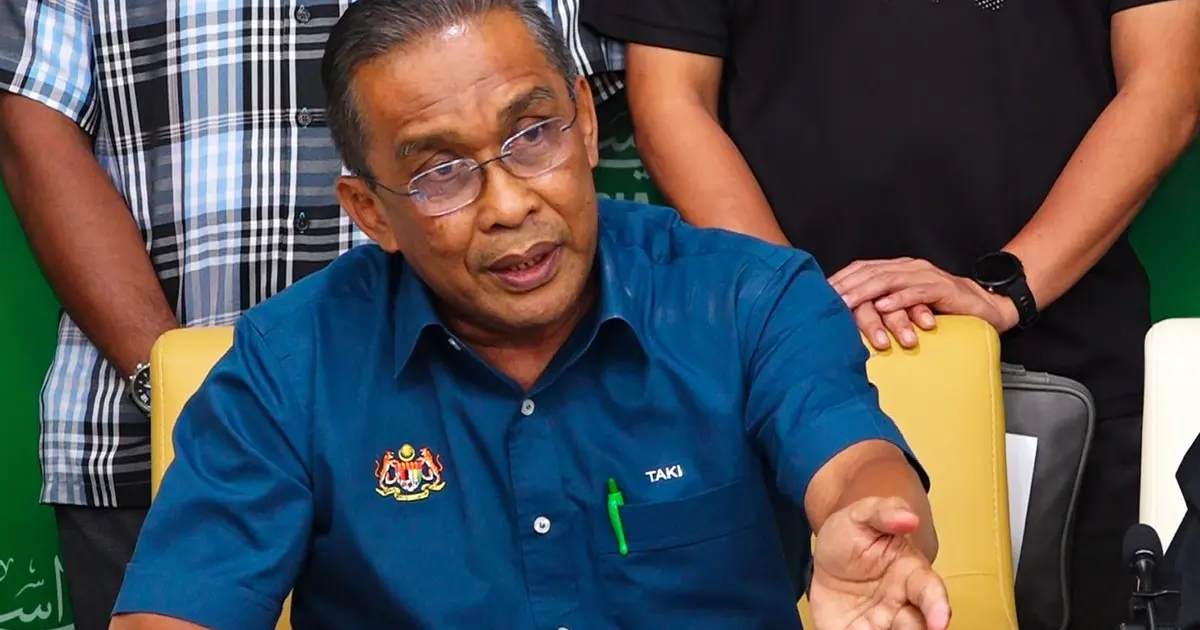
Perikatan Nasional's parliamentary chief whip, Takiyuddin Hassan, has submitted formal notification to the Speaker of the Dewan Rakyat confirming that Hamzah has assumed the role of opposition leader, with backing from 61 members of parliament operating under the PN banner. The transition became effective on the date of the notification, marking a significant reconfiguration of Malaysia's parliamentary opposition structure and signalling consolidated support within the PN-led caucus in the Dewan Rakyat.
Hamzah, who previously served as deputy president of Bersatu before his recent transitions between political coalitions, brings considerable legislative experience to the opposition front bench. His appointment represents a deliberate consolidation by PN of its parliamentary representation, moving beyond the fragmented opposition arrangements that have characterised much of the current parliamentary term. The formal notification process, overseen by Takiyuddin's submission to the Speaker, underscores the procedural seriousness with which this leadership transition has been handled and provides parliamentary legitimacy to the arrangement.
The backing of 61 MPs constitutes a substantial parliamentary presence that cannot be dismissed by the government benches. This number reflects not only PN's core strength in the Dewan Rakyat but also suggests coordination among opposition-aligned lawmakers who have previously operated under different banners or independently. Such parliamentary consolidation typically strengthens an opposition bloc's capacity to mount coordinated scrutiny of government legislation and policy, increasing the effectiveness of parliamentary opposition mechanisms.
For Malaysian politics, this development signals that PN is attempting to position itself as a coherent alternative to both the incumbent government and other opposition formations. Rather than remaining fragmented across multiple opposition figures and loose parliamentary alignments, PN's decision to formally designate a single opposition leader creates clearer parliamentary lines and potentially enhances the bloc's negotiating power on legislative matters and parliamentary committee allocations.
The timing and mechanics of this transition carry implications for parliamentary dynamics heading toward any potential electoral contests. An organised opposition structure, united under identifiable leadership, typically performs more effectively in legislative sessions and can better coordinate policy responses. The notification to the Speaker ensures that parliamentary procedures, resource allocations, and formal recognition now reflect this restructured opposition arrangement, including potential adjustments to opposition whip positions and parliamentary committee representation.
Hamzah's return to prominent parliamentary leadership also reflects internal PN recalibration following earlier political volatility within the coalition. Bersatu's position within PN, and the broader coalition's internal stability, have been subject to periodic strain. By elevating Hamzah to opposition leader status, PN signals confidence in his ability to represent the coalition's interests in parliamentary proceedings and legislative negotiations. This move simultaneously addresses questions about succession and leadership visibility within the opposition formation.
The opposition leader role carries both symbolic and substantive weight in Malaysian parliamentary practice. Beyond legislative responsibilities, the position involves engaging with the Speaker on parliamentary procedural matters, representing the opposition during formal parliamentary events, and serving as the primary spokesperson for opposition positions on major government initiatives. These functions require not merely parliamentary numbers but also political credibility and communicative capacity—attributes Hamzah's track record suggests he possesses.
From a broader Southeast Asian perspective, Malaysia's parliamentary dynamics remain instructive for understanding how opposition forces organise in competitive democratic systems. The consolidation of PN's opposition presence mirrors patterns observed in other regional democracies where fragmented opposition blocs seek to strengthen through unified leadership arrangements. Such consolidation typically improves legislative effectiveness and clarity of policy alternatives presented to voters and the public.
The 61-MP backing indicates that PN has successfully retained parliamentary cohesion despite the various pressures that typically fragment opposition coalitions in Malaysia's complex political ecosystem. This stability may reflect either genuine ideological or strategic alignment among these lawmakers, or alternatively, effective internal party management that prevents defection. Either interpretation suggests PN possesses sufficient internal discipline to maintain its parliamentary position moving forward.
For the government, this opposition reorganisation presents both challenges and certain advantages. A united, clearly-led opposition can mount more effective parliamentary scrutiny and may prove more formidable in legislative contests. Conversely, a focused opposition leadership can be more easily targeted in parliamentary debate and potentially more vulnerable to negotiation tactics that divide the opposition. The government's response to this consolidated opposition arrangement will likely shape parliamentary dynamics through subsequent parliamentary sessions.
Hamzah's formal designation also clarifies questions about representation for PN-aligned constituencies and MPs seeking opposition facility allocations or committee positions. Parliamentary resources in Malaysia are typically distributed according to coalition strength and leadership recognition, so formal notification of opposition leader status ensures PN's members access appropriate opposition resources and positions. This procedural step provides the foundation for PN's parliamentary operations as a structured opposition force rather than a loose collection of independent or semi-aligned members.

