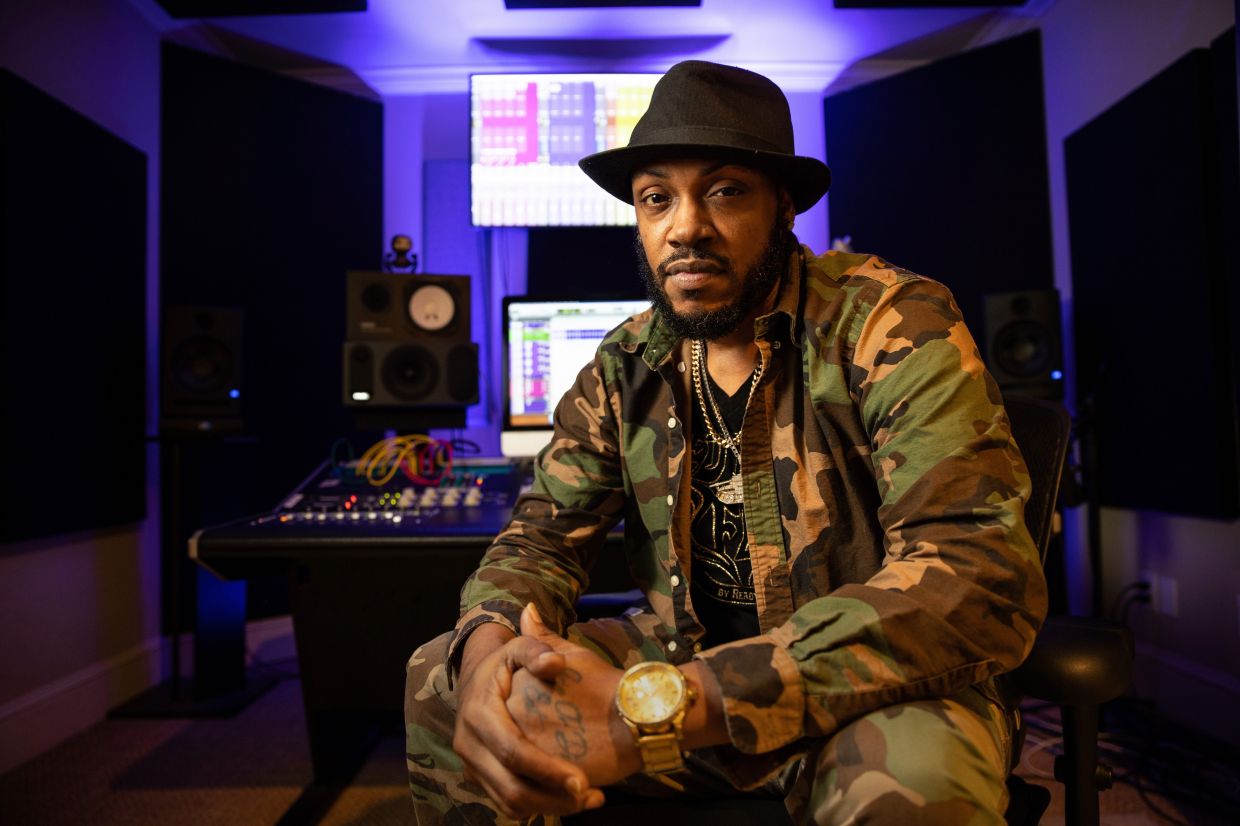
Grammy-nominated rapper Mystikal, born Michael Lawrence Tyler, will spend the next two decades in prison after being sentenced to 20 years for sexually assaulting a woman at his home in Louisiana. The sentence, handed down this week, concludes a legal process that saw the artist plead guilty to third-degree rape charges in March, accepting a deal that capped his punishment at 20 years—substantially lower than the maximum 25-year sentence possible under that charge level.
The assault occurred in 2022 at Mystikal's residence in Prairieville, a community situated roughly 29 kilometres from Baton Rouge in Louisiana's Ascension Parish. The victim provided testimony during the sentencing hearing, recounting details of the violence she endured and requesting the judge impose the maximum allowable penalty. Her account described a harrowing incident in which the rapper punched and choked her, pulled her hair extensions forcibly from her scalp, and raped her at the property. The emotional courtroom address carried particular weight given that Mystikal had previously indicated acceptance of severe consequences, allegedly telling the judge that he would deserve the maximum sentence if such acts had been committed against him.
The plea agreement Mystikal accepted represented a significant concession by prosecutors, who initially pursued first-degree rape charges carrying a mandatory life sentence. By negotiating downward to third-degree rape, the legal team achieved a substantial reduction in potential years of incarceration, though the 20-year sentence nonetheless constitutes a considerable portion of what remains of the 56-year-old entertainer's life. The trajectory toward this outcome shifted dramatically just days before the sentencing hearing, when Mystikal's legal representatives filed a motion seeking to withdraw the guilty plea, arguing their client had not been afforded adequate opportunity to contemplate the ramifications of accepting responsibility for the crime.
The request to withdraw the plea proved unsuccessful, and the court proceeded with sentencing based on Mystikal's acceptance of guilt. Since his arrest in 2022, the rapper had remained detained at Ascension Parish Jail without the possibility of posting bond, meaning he has spent considerably more than a year awaiting resolution of these charges while incarcerated. This extended pretrial detention reflects the severity with which authorities and the judiciary regarded the allegations against him.
Mystikal's conviction and sentencing mark a stark reversal of fortune for an artist who achieved substantial commercial success and critical recognition during the 1990s and early 2000s. His emergence as a national figure occurred during hip-hop's commercial expansion, and he accumulated multiple Grammy Award nominations throughout the early 2000s, establishing himself as a commercially viable and artistically respected figure within the genre. His musical catalogue included notable hits that achieved significant radio play and commercial success, contributing to his status as a recognizable entertainment personality across demographic lines.
The path to this criminal conviction represents a troubling historical pattern in Mystikal's life that extends well beyond the 2022 assault. In 2003, the Louisiana rapper pleaded guilty to sexual battery charges and received a six-year prison sentence for that conviction. That same year, despite his criminal guilty plea, Mystikal secured Grammy Award nominations in two separate categories, including recognition for best rap album, suggesting that the music industry and award bodies continued extending professional recognition to him notwithstanding his conviction for sexual violence. The contrast between industry accolades and documented criminal behaviour reflects broader questions about accountability, consequences, and institutional responsibility within entertainment sectors.
The current conviction therefore represents not an isolated incident but rather part of a documented pattern of sexual violence spanning two decades. The fact that Mystikal maintained a professional career and received major awards after his initial 2003 conviction raises uncomfortable questions about whether inadequate consequences following his first sexual assault conviction may have contributed to his sense of impunity. These questions resonate particularly within the Malaysian and broader Southeast Asian entertainment context, where questions of accountability and consequences for powerful entertainment figures remain contested and inconsistently applied across different jurisdictions and genres.
For Malaysian audiences, the case illustrates how the United States criminal justice system, despite its significant flaws and disparities, ultimately produced substantial accountability through a lengthy prison sentence for serious sexual violence. The victim's ability to address the court, provide testimony regarding the assault's nature, and advocate directly for sentencing represents a procedural dimension largely absent or substantially limited in many other judicial systems, including some in Southeast Asia. The sentenced individual will serve a sentence that extends well into his seventies, effectively removing him from public and professional life indefinitely.
The rapper's legal team has not issued public commentary regarding the sentence or the broader case circumstances. The finality of this week's sentencing marks the conclusion of initial legal proceedings, though additional appeals remain theoretically possible within the American appellate system. Mystikal's detention will continue at Ascension Parish Jail pending potential transfer to state prison facilities where he will serve his 20-year sentence, effectively ending a four-decade entertainment career marked by commercial success, critical recognition, and serious criminal convictions.

