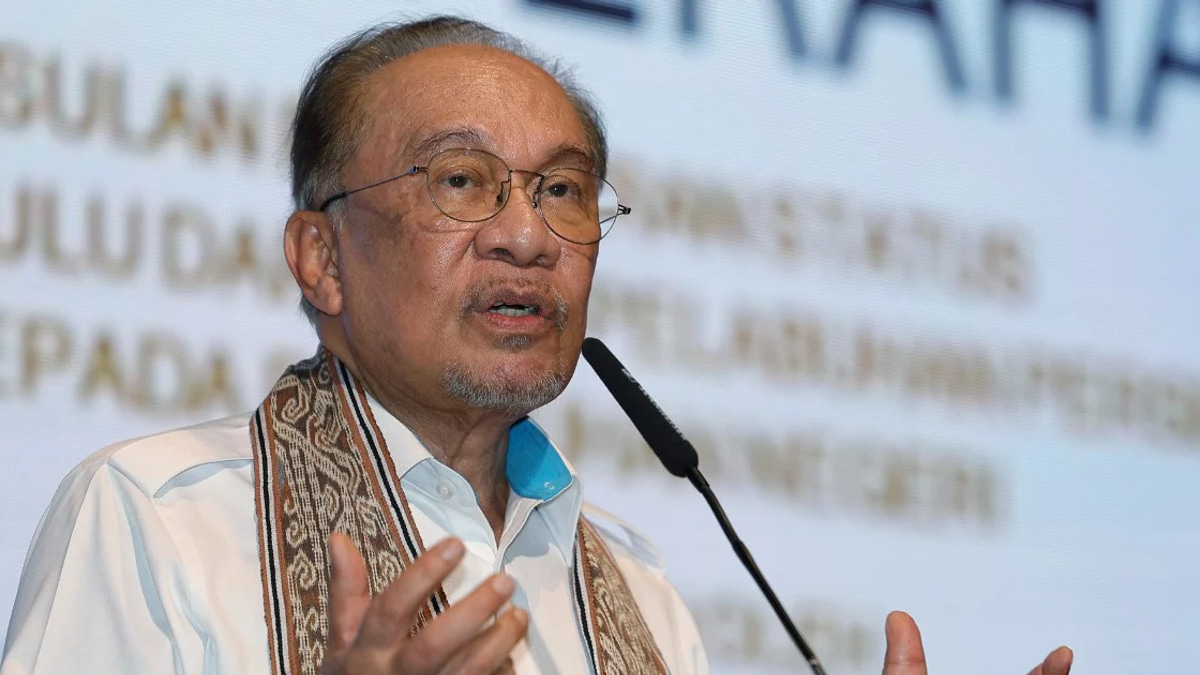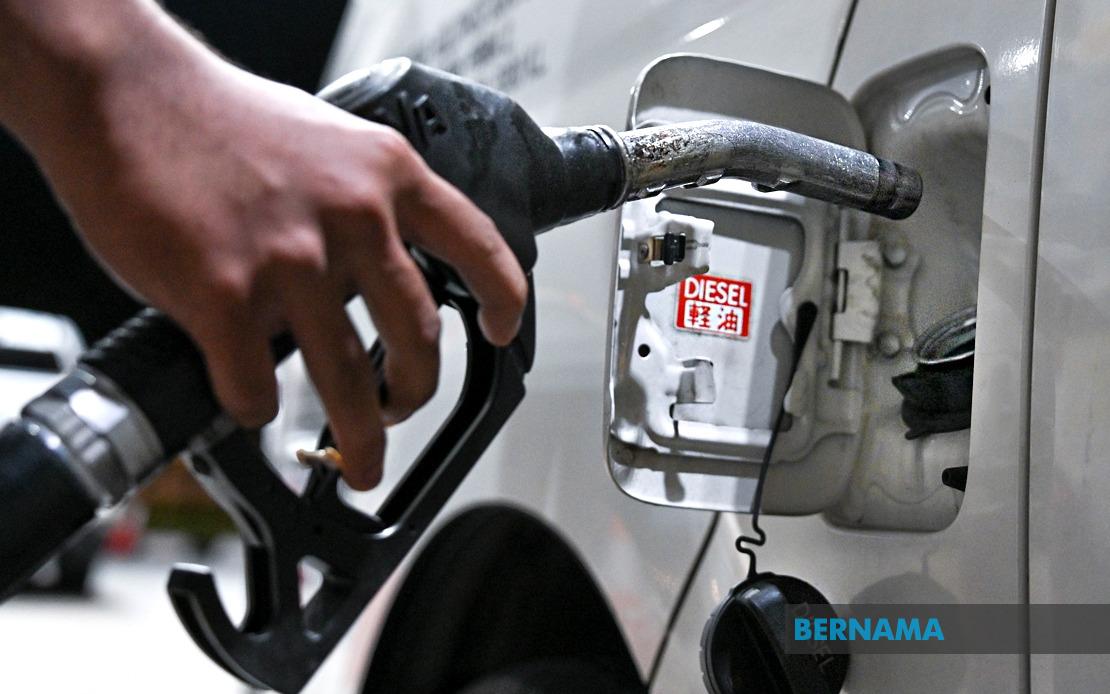
Prime Minister Datuk Seri Anwar Ibrahim has announced a reduction in subsidised diesel prices to RM2.10 per litre beginning July 2026, a development welcomed by transport operators, traders, and business owners across the country who face mounting operational costs. The measure represents a significant step in the government's subsidy reform agenda, extending the verification approach used in the BUDI MADANI RON95 programme to fuel oil. Under this new system, eligibility will be confirmed through MyKad, ensuring that assistance reaches those who genuinely depend on diesel for their livelihoods rather than being dispersed indiscriminately across the population.
The announcement carries particular importance for Malaysia's diverse economic landscape, where small to medium enterprises rely heavily on fuel expenditure. Night market trader Mohd Faizal Ahmad, based in Shah Alam, Selangor, views the subsidy cut as an opportunity to reduce his daily operating expenses meaningfully. His cautious optimism hinges on the implementation mechanism, however—he has expressed hope that the MyKad verification process will be straightforward and accessible rather than creating additional administrative burdens for users. Such concerns reflect a broader sentiment among informal economy participants who fear that complex verification systems could inadvertently exclude those most in need of assistance.
Construction and transport sectors, which consume substantial quantities of diesel for vehicles and equipment, stand to gain considerable relief from the lower pricing structure. Tan Chee Keong, a small-scale contractor from Johor Bahru operating a four-wheel drive vehicle for maintenance work and materials delivery, characterises the subsidy as equitable and progressive. His perspective emphasises the importance of preventing subsidy leakage—a longstanding challenge in Malaysia's fuel support system where higher subsidies on diesel have historically created opportunities for diversion to unintended users or smuggling to neighbouring countries. Should the government successfully prevent such abuses through the MyKad verification system, the measure could prove transformative for legitimate business operators.
Agricultural producers and food supply chain participants represent another significant beneficiary group. Vegetable farm operator R. Mageswaran from Sungai Siput, Perak, relies on daily van deliveries to supply markets and food establishments, making fuel costs a critical component of his business viability. Lower diesel prices directly translate to reduced transportation costs within the supply chain, potentially moderating prices for consumers purchasing fresh produce. This cascading effect underscores how fuel subsidies for specific sectors ripple through the broader economy, influencing food security and inflation dynamics in ways that extend beyond direct user savings.
The subsidy reform addresses a longstanding regional imbalance in Malaysia's fuel pricing structure. Currently, diesel retail prices differ significantly across the country—residents in Sabah and Sarawak enjoy a subsidised rate of RM2.15 per litre, while consumers in Peninsular Malaysia pay the unsubsidised price of RM4.37 per litre. This geographical disparity has created economic inefficiencies and incentivised cross-border arbitrage activities. By standardising the subsidised diesel price nationwide and extending the system to Sabah, Sarawak, and Labuan, the government aims to create a more coherent and equitable fuel economy across Malaysian territory. Second Finance Minister Datuk Seri Amir Hamzah Azizan will provide implementation details, addressing critical questions about rollout timelines and verification procedures.
The subsidy mechanism draws directly from the BUDI MADANI RON95 programme, which established a successful framework for targeted fuel assistance based on citizenship and identity verification. By replicating this model for diesel, the government demonstrates confidence in the MyKad verification infrastructure and seeks to prevent subsidy capture by non-citizens or foreign vehicles. This targeted approach represents a departure from blanket subsidies, which have historically imposed substantial fiscal burdens while failing to concentrate benefits among priority groups. The BUDI95 framework's relative success in controlling costs while maintaining broad accessibility suggests that diesel subsidy implementation could function effectively, provided that petrol station networks possess adequate digital verification capacity.
Financial and operational implications for the government remain significant despite the lower subsidy rate. Diesel consumption for transportation and industrial purposes constitutes a substantial portion of Malaysia's total fuel subsidy expenditure. Although RM2.10 per litre represents a reduction from current unsubsidised prices, the gap between this rate and international benchmark pricing creates ongoing fiscal costs that must be accommodated within the budget framework. The government's commitment to this price point reflects both policy objectives around cost management and political considerations regarding economic relief for working-class Malaysians and small businesses.
The timing of the July 2026 implementation provides government agencies and petroleum retailers approximately six months to establish digital verification systems, train staff, and communicate procedural requirements to the public. This preparation window is essential, as verification system failures or insufficient public awareness could create confusion and operational disruptions at fuel stations. The Ministry of Finance's involvement signals coordination between revenue authorities and fuel distribution networks to ensure seamless rollout across the country's estimated 1,500 petrol stations.
Broader economic considerations frame this subsidy initiative within Malaysia's evolving approach to fiscal management and social support. Rather than maintaining universal subsidies that benefit all citizens regardless of need, the government increasingly emphasises targeted assistance based on citizenship status and identity verification. This shift reflects both budgetary constraints and recognition that blanket subsidies often prove regressive, benefiting wealthier consumers who consume more fuel. By concentrating subsidies on verified Malaysian citizens, the government aims to improve programme efficiency while maintaining protection for vulnerable populations and small business operators who depend on affordable fuel access.
The announcement signals confidence in Malaysia's digital governance infrastructure and MyKad system reliability. Successful implementation will strengthen the precedent for identity-based subsidy programmes and potentially expand such mechanisms to other essential commodities or services. Conversely, implementation challenges could undermine public faith in targeted assistance programmes and prompt political pressure to restore more universal subsidy approaches. The government thus faces significant pressure to execute this reform flawlessly, ensuring that verification systems function reliably at the point of sale without creating excessive delays or access barriers.
For neighbouring Southeast Asian nations grappling with similar fuel subsidy challenges, Malaysia's approach offers an instructive case study. Countries including Indonesia and Thailand face persistent pressures to maintain affordable fuel pricing while managing fiscal costs and preventing subsidy leakage. Malaysia's gradual transition toward citizenship-verified, identity-based fuel assistance demonstrates a middle path between universal subsidies and market pricing, potentially offering lessons for regional policymakers seeking sustainable subsidy frameworks. The success or failure of this initiative will influence regional policy discussions about optimal fuel subsidy design.